Highlights
- Remote and rarely visited trekking routh
- North face view of Annapurna I (8,091 m)
- Expedition-style trekking experience
- Isolated valleys and untouched landscapes
- Glacial terrain and alpine environment
- Minimal crowds and no commercial trail
- Traditional villages in the lower region
- Strong sense of wilderness and isolation
- High-altitude base camp at ~4,190 m
- Ideal for experienced trekkers only
Overview
The North Annapurna Base Camp Trek stands as a Nepali trekking route that reaches its highest point by connecting its most remote and challenging paths which hardly attract any trekkers. The southern Annapurna Base Camp receives thousands of trekkers annually yet only a few travelers reach the north face of Annapurna I which displays its unrefined towering and dangerous mountain features.
The trek advances through an unrefined path. The area shows no visitors who make purchases at shops and the pathways remain hidden from view. The path proceeds through remote communities which lead to river canyons and unstable landscapes and mountain ranges and glacial regions until it reaches North Annapurna Base Camp at a height of about 4,190 meters. The North ABC trek exists as a path which provides neither comfort nor easy outdoor experiences.
The journey demands travelers to possess previous experience together with their physical capacity and their mental toughness and their ability to protect nature. The exploration provides modern trekkers with an uncommon opportunity to experience genuine exploration.
HIGHLIGHTS
- Remote and rarely visited trekking routh
- North face view of Annapurna I (8,091 m)
- Expedition-style trekking experience
- Isolated valleys and untouched landscapes
- Glacial terrain and alpine environment
- Minimal crowds and no commercial trail
- Traditional villages in the lower region
- Strong sense of wilderness and isolation
- High-altitude base camp at ~4,190 m
- Ideal for experienced trekkers only
North Annapurna Base Camp Trek
- Day 1: Drive Pokhara → Tatopani
- Day 2: Trek Tatopani → Narchyang Village
- Day 3: Trek Narchyang → Upper Narchyang
- Day 4: Trek Upper Narchyang → Sandhikharka / Phulbari (camp)
- Day 5: Trek Sandhikharka → Bhusket Mela (camp)
- Day 6: Trek Bhusket Mela → North Annapurna Base Camp (4,190 m)
- Day 7: Acclimatization & exploration at Base Camp
- Day 8: Trek Base Camp → Sandhikharka
- Day 9: Trek Sandhikharka → Tatopani (via Narchyang)
- Day 10: Drive Tatopani → Pokhara
Understanding the North Side of Annapurna
Annapurna I (8,091 m) is known in mountaineering history as one of the most dangerous 8,000-meter peaks. Its north face is steep, icy, and heavily glaciated. The landscape here feels colder and harsher than the southern side, even at similar elevations.
This region remains largely untouched due to:
- Difficult terrain
- Restricted area regulations
- Limited infrastructure
- High risk of landslides and avalanches
Reaching North Annapurna Base Camp feels less like a typical trek and more like a small expedition. You are walking into a place where nature still sets the rules.
Trail Character & Terrain
The trail conditions on the North Annapurna Base Camp Trek vary greatly and can change quickly depending on weather and season.
You can expect:
- Narrow mountain paths carved into cliffs
- Long sections without villages or shelters
- River crossings and glacial streams
- Landslide-prone zones
- Loose rocks, scree, and moraine
- Occasional snow patches at higher elevations
In some areas, the trail is barely visible. Landslides may force detours, and river crossings can become dangerous after rainfall or snowmelt. This is one of the main reasons why a guide is mandatory.
Walking days are often long, and the terrain demands constant attention. This is not a trek where you can walk casually while chatting. Every step requires awareness.
Altitude & Altitude Sickness (Critical Information)
Maximum Elevation
- North Annapurna Base Camp: ~4,190 meters
Although this altitude is lower than some famous Himalayan passes, altitude sickness is a serious risk on this trek due to the route’s remoteness and limited rescue options.
Why Altitude Is a Concern Here
- Rapid elevation gain in some sections
- Few acclimatization villages
- Cold temperatures that increase physical stress
- Physical exhaustion from rough terrain
Common Symptoms of AMS (Acute Mountain Sickness)
- Headache and Dizziness
- Nausea or vomiting
- Loss of appetite
- Fatigue that does not improve with rest
- Difficulty in sleeping
Severe Altitude Conditions (Medical Emergency)
- Confusion or disorientation
- Loss of balance or coordination
- Severe breathlessness even at rest
- Chest tightness
- Blue lips or fingertips
- Wet cough or pink frothy sputum
These symptoms may indicate HAPE (High Altitude Pulmonary Edema) or HACE (High Altitude Cerebral Edema) and they require immediate descent.
Prevention & Management
- Slow ascent and proper acclimatization
- Adequate hydration (4-5ltr water)
- High-carbohydrate meals (3000-4000 cal)
- Avoiding alcohol and smoking
- Honest communication with your guide
- Carrying personal medications if prescribed
Guides often carry basic first aid kits and oxygen, but evacuation can be delayed due to weather or terrain. Prevention is the most important safety tool.
Required Permits
The North Annapurna Base Camp lies in a restricted area, meaning special permits are mandatory.
You will need:
- Restricted Area Permit (RAP)
- Annapurna Conservation Area Permit (ACAP)
Key points about permits:
- Must be arranged through a registered trekking agency
- Independent trekking is not allowed
- A licensed guide is mandatory
- Permit costs are higher than standard trekking routes
These permits help regulate access and protect the fragile environment and local communities.
Guide & Porter: Why They Matter
Licensed Guide (Mandatory)
A licensed guide is not just a formality on this trek they are essential for safety and success.
A guide is responsible for:
- Route navigation mainly in unclear or damaged trails
- Monitoring altitude symptoms
- Making decisions during bad weather
- Managing river crossings and landslide zones
- Communicating with locals
- Coordinating emergency response
This is not a trek where GPS or maps alone are sufficient.
Porter (Strongly Recommended)
While taking a porter is not mandatory, but it is highly recommended.
Benefits of hiring a porter:
- Reduces physical strain
- Conserves energy at altitude
- Allows better balance on unstable terrain
- Improves safety during long days
A porter typically carries 20–25 kg, shared between trekkers.
Accommodation & Food
Accommodation
Accommodation on the North Annapurna Base Camp Trek is basic and limited.
- Lower villages may have simple tea houses
- Higher sections may require camping
- Rooms are cold and facilities minimal
- Electricity and charging may be unavailable
You should expect:
- Shared rooms
- Simple bedding
- Limited heating
- No luxury services
Food
Food is functional rather than varied. You will only get simple meals, but yet hearty after long day walk.
Common meals include:
- Dal bhat (rice, lentils, vegetables)
- Simple soups
- Rice or noodle dishes
- Tea and hot water
At higher altitudes, food supply depends on porters or pack animals, so options are limited. Appetite may decrease, but eating enough is crucial for energy and acclimatization.
Best Time to Trek:
The best season for the trek is spring and autumn. The trek must be avoided during monsoon, but can be done during mild winter.
Spring (April–May)
- Stable weather
- Snow still present at higher elevations
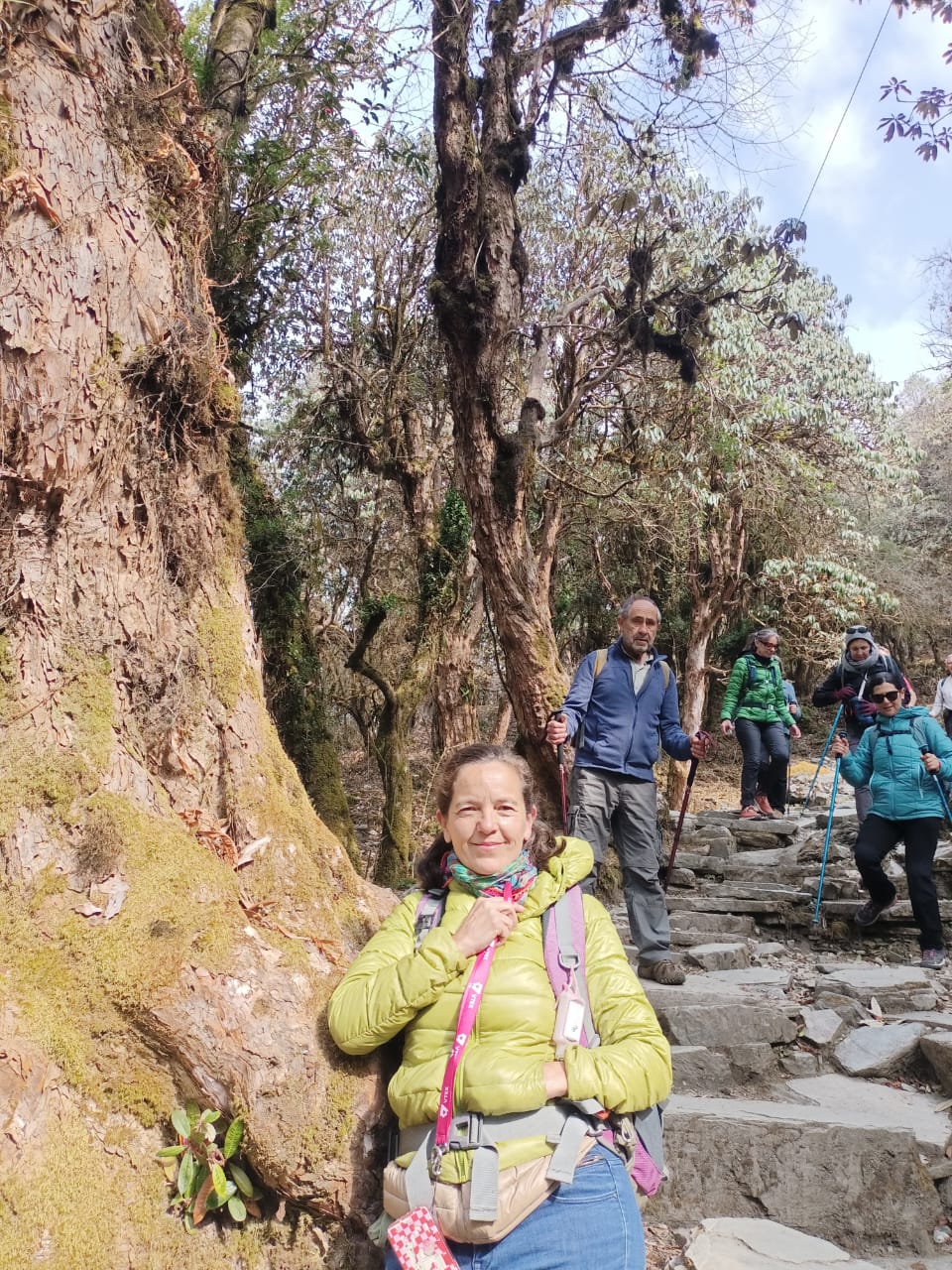
- Rhododendron blooms at lower levels
Autumn (September–October)
- Clear skies
- Cold nights
- Best visibility
Seasons to Avoid
- Monsoon (June–August): Landslides, swollen rivers, leeches, trails are often blocked
- Mid-winter: Heavy snow, extreme cold, blocked passes
Physical & Mental Preparation
This trek requires more than fitness.
You should be:
- Comfortable walking 6–8 hours per day
- Experienced in high-altitude trekking
- Mentally prepared for isolation
- Able to handle discomfort and uncertainty
Training should include:
- Cardio endurance
- Strength training for legs and core
- Hiking with a loaded backpack
Mental readiness is just as important as physical strength.
Who This Trek Is For
Suitable for:
- Experienced trekkers
- Adventurers seeking isolation
- Those who value raw landscapes over comfort
- People with previous high-altitude experience
Not suitable for:
- Beginners
- Travelers seeking comfort or luxury
- Those with limited time
- People uncomfortable with camping or basic facilities
Final Reflection
The North Annapurna Base Camp Trek is not about ticking off a destination. It is about earning every step. The silence is deeper. The mountains feel closer. The risks are real, and so is the reward.
Standing beneath the north face of Annapurna, surrounded by glaciers and rock walls, you understand how small you are and why that matters. This trek does not try to impress you. It challenges you. And that is exactly why it stays with you long after you leave.
For those willing to commit, the North Annapurna Base Camp Trek offers something rare in the Himalayas today: authentic wilderness and genuine perspective.
Detailed Itinerary
Inclusions
What's included?
- Airport pick-up and drop-off transfers
- Private or public transportation as per itinerary
- Tea house/lodge accommodation during the trek
- Hotel accommodation in Kathmandu/Pokhara (as per itinerary)
- Full board meals during the trek (Breakfast, Lunch, and Dinner)
- Licensed English-speaking trekking guide
- Porter service for luggage carrying
- Guide and porter salary, meals, accommodation, insurance, and allowances
- Annapurna Conservation Area Permit (ACAP)
- TIMS Card / trekking permits
- Government taxes and service charges
- Basic first-aid kit
- Sleeping bag and duffel bag (if provided by company)
- Trek completion certificate
What's not included?
- Nepal entry visa fee
- International airfare
- Travel and medical insurance
- Personal trekking gear and equipment
- Meals in Kathmandu/Pokhara (unless specified)
- Hot showers, Wi-Fi, battery charging, and laundry services during trek
- Soft drinks, bottled water, alcoholic beverages, and snacks
- Personal expenses and shopping
- Tips for guide and porter
- Emergency evacuation and rescue expenses
- Costs due to weather delays, route changes, or itinerary adjustments
- Additional accommodation due to early return or extension
- Any services not specifically mentioned under “Cost Includes” section
Equipment (Essential Gears)
Trip Map
FAQs
How difficult is the North Annapurna Base Camp Trek?
This trek is challenging. It is suitable only for trekkers with previous high-altitude and multi-day trekking experience. The route is remote, physically demanding, and requires mental endurance.
What is the highest altitude reached on this trek?
The highest point is North Annapurna Base Camp at approximately 4,190 meters.
Is altitude sickness a serious risk?
Yes. Due to the remote location, rough terrain, and limited evacuation options, altitude sickness must be taken seriously. Proper acclimatization, slow pace, and constant monitoring are essential.
What permits are required?
You need:
- Restricted Area Permit (RAP)
- Annapurna Conservation Area Permit (ACAP)
Permits must be arranged through a registered trekking agency.
Is a guide mandatory for this trek?
Yes. A licensed trekking guide is mandatory due to restricted area regulations and safety reasons.
Do I need to hire a porter?
A porter is not mandatory but strongly recommended. Carrying heavy loads at altitude on unstable terrain increases fatigue and risk.
What type of accommodation is available?
Accommodation is basic. Lower villages have simple tea houses or homestays. Higher sections require camping with minimal facilities.
What kind of food is available during the trek?
Food is simple and energy-focused, mainly:
- Dal bhat
- Rice and vegetables
- Soups
- Tea and hot drinks
Food options become limited at higher elevations.
What is the best season for this trek?
- Spring (April–May)
- Autumn (September–October)
Monsoon and winter are not recommended.
Is this trek suitable for beginners?
No. This trek is not suitable for beginners or travelers without prior high-altitude trekking experience.
Is camping required?
Yes. Camping is required in the higher sections of the trek due to lack of lodges.
Are emergency evacuations possible?
Evacuations are possible but weather-dependent and difficult. Prevention, acclimatization, and guide judgment are critical.
How remote is this trek?
Very remote. There are long sections without villages, phone signal, or immediate help.
Can this trek be customized?
Yes. The itinerary can be adjusted for weather, acclimatization needs, or group pace.