Highlights
- Walking together to the five sacred alpine lakes at 4,100 m
- Quiet, uncrowded trails that let us truly feel the mountains
- Gradual journey from terraced hills to high-altitude landscapes
- Dense rhododendron, pine, and bamboo forests along the way
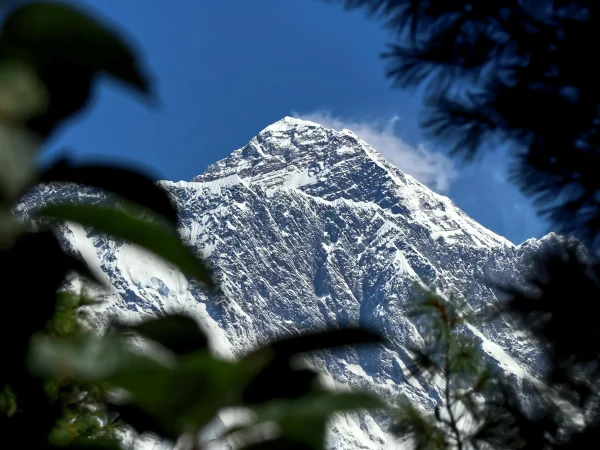
- Panoramic views of Jugal Himal, Dorje Lakpa, and surrounding ranges
- Authentic Tamang and Sherpa villages with warm local hospitality
- Simple teahouse stays that feel real and grounding
- Peaceful atmosphere ideal for slowing down and reconnecting
- A short yet meaningful high-altitude trek close to Kathmandu
- A destination that feels sacred even without being religious
Overview
Introduction: Why We Walk to Paanch Pokhari
Some journeys are loud, they come with crowds, checklists, and photographs taken in a rush.
And then there comes journeys like Paanch Pokhari which is quiet, patient, and deeply personal.
When we choose to walk to Paanch Pokhari, we are not chasing after famous viewpoints. We are choosing something suttle. We are choosing space in the landscape and space inside ourselves. This trek is not about reaching a particular destination. It is about getting to place where everything makes us feel alive. One footstep at a time, until the noise of daily life slowly fades behind us.
Paanch Pokhari, which means Five Lakes, sits high in the Sindhupalchok hills. The place is in around the Jugal Himalayan range. At over 4,100 meters, these five sacred alpine lakes wait quietly, reflecting the sky, the mountains, and helps us find our own inner stillness.
This trek invites us to slow down. It invites us to walk with intention. And most importantly, it invites us to experience Nepal in a way that feels real, grounded, and deeply human.
Highlights
Where Paanch Pokhari Lies and Why It Feels So Remote
Even though Paanch Pokhari is relatively close to Kathmandu, it feels worlds away. That’s part of its magic.
As we move northeast from the capital, the roads become narrower, the houses fewer, and the mountains more present. Eventually, vehicles can take us only so far. From there, our legs take over, and the trail becomes our companion.
This region sits just beyond the busy trekking corridors. Unlike Everest or Annapurna, we won’t find lines of trekkers here. Instead, we walk through forests that feel untouched, villages where people still pause to greet us, and trails where silence is broken only by birds, wind, and our own breath.
Here, remoteness doesn’t feel harsh it feels protective. It allows the land to remain itself, and it allows us to reconnect with a simpler way of moving through the world.
The Feeling of the Trail: What It’s Like to Walk Here
From the very first day, the trail reminds us that this is not a performance it’s a process.
We begin in lower hills, where terraced farms curve gently across the landscape. We walk past maize fields, cardamom plants, and small stone houses with tin roofs shining in the sun. Children wave. Elders nod. Life continues as it always has, and we are simply passing through, respectful guests.
As we gain altitude, the forest thickens. Rhododendron, oak, pine, and bamboo surround us. In spring, the trail feels alive with color reds, pinks, and whites blooming overhead. In autumn, the air becomes crisp, and the light sharpens the outlines of distant peaks.
The path is not rushed. There are long uphill sections that challenge our legs and lungs, but nothing technical. We stop when we need to. We drink water. We look around. Slowly, our pace aligns with the mountain’s pace.
This is where we begin to understand that the trek is not about reaching the lakes quickly it’s about how we arrive.
Villages, People, and Shared Moments
One of the most beautiful parts of the Paanch Pokhari Trek is how human it feels.
We pass through small villages inhabited mainly by Tamang and Sherpa communities. These are not villages built for tourism. They are working, living places, where agriculture, livestock, and tradition shape daily life.
When we stay in local teahouses or homestays, we don’t just receive a room we receive care. Someone lights the fire. Someone prepares food slowly. Someone asks where we are from, not out of formality, but curiosity.
In the evenings, as we sit near the hearth, we share stories without trying too hard. Language barriers don’t matter much. Smiles, gestures, and shared silence do most of the work.
These moments remind us why we travel not just to see landscapes, but to connect.
Food on the Trail: Simple, Warm, and Enough
Food on the Paanch Pokhari Trek is not fancy but it is deeply satisfying.
Most meals are cooked fresh with local ingredients. A typical day includes:
- Dal Bhat (rice, lentils, seasonal vegetables)
- Tibetan-style bread or chapati
- Potatoes prepared in simple ways
- Noodles or soup at higher altitudes
- Tea / coffee shared slowly
As we gain altitude, menus become simpler. And honestly, that simplicity feels right. When we’re walking for hours, we don’t crave variety we crave warmth, salt, and nourishment.
Eating together at the teahouse table, wrapped in jackets, steam rising from our plates this becomes one of the quiet joys of the trek.
Accommodation: Where We Rest, Not Just Sleep
Accommodation on this trek is basic but meaningful.
Rooms are simple: wooden beds, thin mattresses, shared bathrooms. But what they lack in luxury, they make up for in authenticity.
At higher elevations, especially near Paanch Pokhari, facilities become more minimal. Electricity may be limited. Hot showers may not be available. And yet, we often sleep more deeply here than we do at home.
Why?
Because our days are full, the air is clean and our minds are quiet.
We recommend carrying a good sleeping bag, not because the rooms are uncomfortable, but because nights can get cold and warmth equals comfort.
Reaching Paanch Pokhari: The Moment It Opens to Us
The final ascent to Paanch Pokhari is slow and deliberate.
The landscape changes again. Trees thin out. Grasslands stretch wider. Prayer flags begin to appear, fluttering softly in the wind. We feel the altitude not as fear, but as awareness.
And then, almost suddenly, the lakes reveal themselves.
Five still bodies of water lie spread across the high plateau, each reflecting the sky differently. On a clear day, clouds drift across their surfaces like thoughts passing through a calm mind.
We don’t rush here. We walk slowly around the lakes. We sit. We breathe. Some of us speak softly. Some of us say nothing at all.
This place doesn’t demand anything from us. It simply exists and lets us exist with it.
Spiritual Significance (Without Making It Religious)
Paanch Pokhari is sacred to both Hindus and Buddhists. During Janai Purnima, pilgrims walk for days to bathe in the lakes.
But even if we are not religious, we feel the importance of this place.
There is a quiet respect in the air. We lower our voices naturally. We walk carefully. Not because someone tells us to but because the land asks us to.
Spirituality here is not about rituals. It’s about presence. About realizing how small we are—and how connected.
Altitude and Our Bodies: Walking With Awareness
At over 4,000 meters, altitude is something we must respect.
We don’t rush. We hydrate. We eat well. We listen to our bodies. Mild headaches, slower breathing, and fatigue are normal but anything more means we stop and communicate.
The beauty of this trek is that it allows us to ascend gradually, giving our bodies time to adjust. With a responsible pace and awareness, most trekkers complete it comfortably.
Altitude here becomes a teacher. It reminds us to slow down. To breathe deeply. To move consciously.
Best Time to Walk This Trail:
Spring (March to May)
This is one of the most beautiful times to walk to Paanch Pokhari. We move through forests filled with blooming rhododendrons, the weather stays mild, and the trail feels alive. Days are comfortable for walking, and the mountains often reveal themselves clearly as we gain altitude.
Autumn (September to November)
Autumn is the most stable and reliable season for this trek. After the monsoon clears the dust from the air, we get crisp mornings, clear skies, and wide mountain views. The trails are dry, visibility is excellent, and the journey feels smooth and rewarding.
Monsoon (June to August)
This season is generally not recommended. Heavy rain can make trails slippery, leeches common in lower sections, and views limited. However, for those who enjoy lush greenery and solitude, it can still be an option with careful planning.
Winter (December to February)
Winter brings cold temperatures and possible snowfall near Paanch Pokhari. While the trek becomes challenging, it can be done by experienced trekkers prepared for harsh conditions. The landscape feels raw and quiet, but comfort is limited.
Permits and Practicalities
To trek to Paanch Pokhari, we need:
- Langtang National Park Permit
- TIMS Card
These are easy to arrange in Kathmandu, especially when trekking with a registered guide or agency.
Travel insurance covering high-altitude trekking is strongly recommended. Not because we expect problems but because prevention measure brings peace of mind.
For whom is this trek perfect?
This trek is ideal for:
- Travelers who want quiet trails
- People seeking a short but meaningful trek
- Those who value experience over luxury
- Anyone wanting to reconnect with nature and themselves
If you want crowds, cafés, and Wi-Fi, this is not your trek.
If you want space, silence, and sincerity, this one is for you.
Why Paanch Pokhari Stays With Us
Long after we return home, Paanch Pokhari stays with us, not as a checklist item, but as a feeling.
We remember:
- The sound of wind through prayer flags
- The warmth of tea after a cold walk
- The stillness of the lakes
- The way time seemed to stretch and soften
This trek doesn’t shout. It whispers.
And somehow, those whispers echo the longest.
Conclusion: Walking Back Changed
When we walk back down from Paanch Pokhari, we are not the same people who started.
Our legs may be tired. Our bags dusty. But something inside us feels clearer. Lighter. More grounded.
This is not a trek we “complete.”
It is a trek we carry with us.
And when someone asks us why we chose Paanch Pokhari, we don’t always have the words.
We just smile and say, “You have to walk it to understand.”
Detailed Itinerary
Inclusions
What's included?
- Airport pick-up and drop-off transfers
- Private or public transportation (Kathmandu–Timbu–Kathmandu as per itinerary)
- Tea house/camping accommodation during the trek
- Hotel accommodation in Kathmandu (as per itinerary)
- Full board meals during the trek (Breakfast, Lunch, and Dinner)
- Licensed English-speaking trekking guide
- Porter service for luggage carrying (if included in package)
- Guide and porter salary, meals, accommodation, insurance, and allowances
- Langtang National Park Entry Permit
- TIMS Card / trekking permits
- Government taxes and service charges
- Basic first-aid kit
- Sleeping bag and duffel bag (if provided by company)
- Trek completion certificate
What's not included?
- Nepal entry visa fee
- International airfare
- Travel and medical insurance
- Personal trekking gear and equipment
- Meals in Kathmandu (unless specified)
- Hot showers, Wi-Fi, battery charging, and laundry services during trek
- Soft drinks, bottled water, alcoholic beverages, and snacks
- Personal expenses and shopping
- Tips for guide and porter
- Emergency evacuation and rescue expenses
- Costs due to weather conditions, landslides, or itinerary changes
- Additional accommodation due to early return or extension
- Any services not specifically mentioned under “Cost Includes” section
Equipment (Essential Gears)
Trip Map
FAQs
How long is the Paanch Pokhari Trek?
The trek usually takes 5 to 7 days. Depending on the route, your own pace, and acclimatization days it differs from people to people.
What is the maximum altitude of the trek?
The highest point during the Paanch Pokhari trek is around 4,100 meters.
Is the Paanch Pokhari Trek difficult?
It is a moderate trek, it isn’t that difficult. Good physical fitness is helpful, but no technical skills are required.
Is this trek suitable for beginners?
Yes, beginners with basic fitness and proper pacing can complete the trek comfortably.
Do we need a guide for this trek?
A guide is not mandatory but is highly recommended for safety, navigation, and local insights.
What permits are required?
We need two permits. They are:
- Langtang National Park Permit and
- TIMS Card.
What kind of accommodation can we expect?
Accommodation is basic teahouses and homestays. It becomes simpler at higher altitudes but are comfortable with great hospitality.
What food is available on the trek?
Simple local meals such as dal bhat, noodles, soup, potatoes, and tea are available along the trail. In major places, you can also have some western foods.
Is altitude sickness a concern?
Pach pokhari isn’t in that high altitude, but we do need to be concerned about altitude sickness. Walking slowly, staying hydrated, and proper acclimatization help reduce risk.
When is the best time to do this trek?
The best seasons for this trek are: spring (March–May) and autumn (September–November). It is also considered as a monsoon trek, but is difficult during that period yet views are wonderful though they open up for some times only.
Is travel insurance necessary?
Yes, travel insurance covering high-altitude trekking is strongly recommended.
Is this trek crowded like other popular routes?
No, Paanch Pokhari is a quiet and less-crowded trek, even during peak seasons.
Is this trek suitable for solo trekkers?
Yes, but trekking with a guide or group is safer due to the remote nature of the trail.
Can this trek be customized?
Yes, the itinerary can be adjusted based on time, fitness level, and interests.