
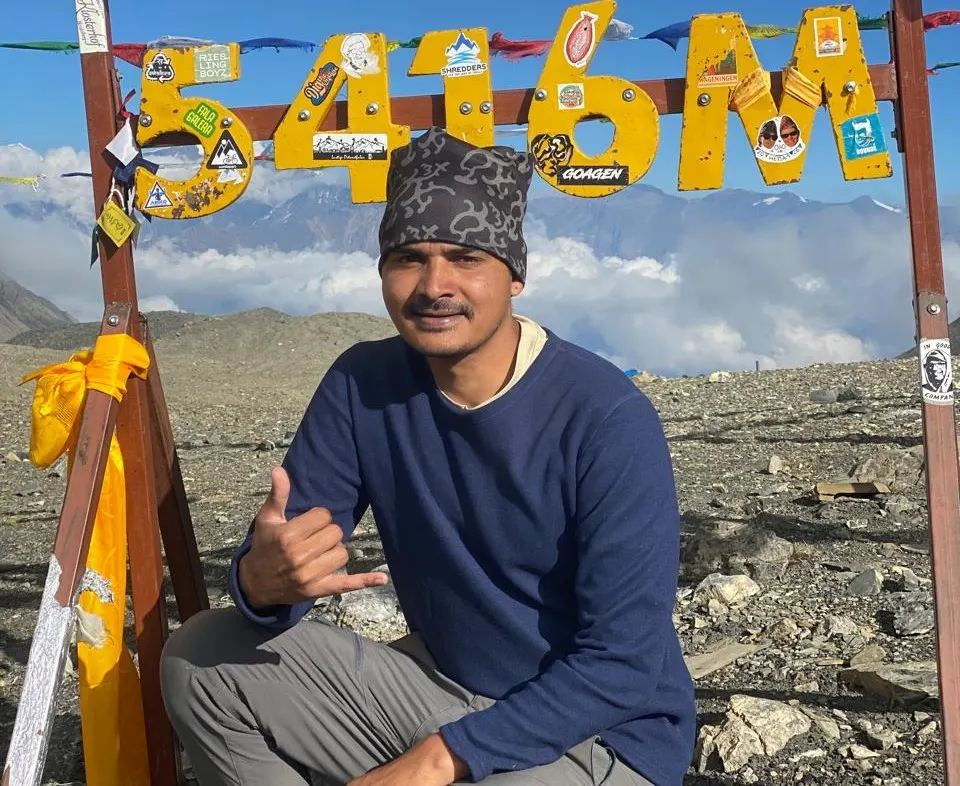
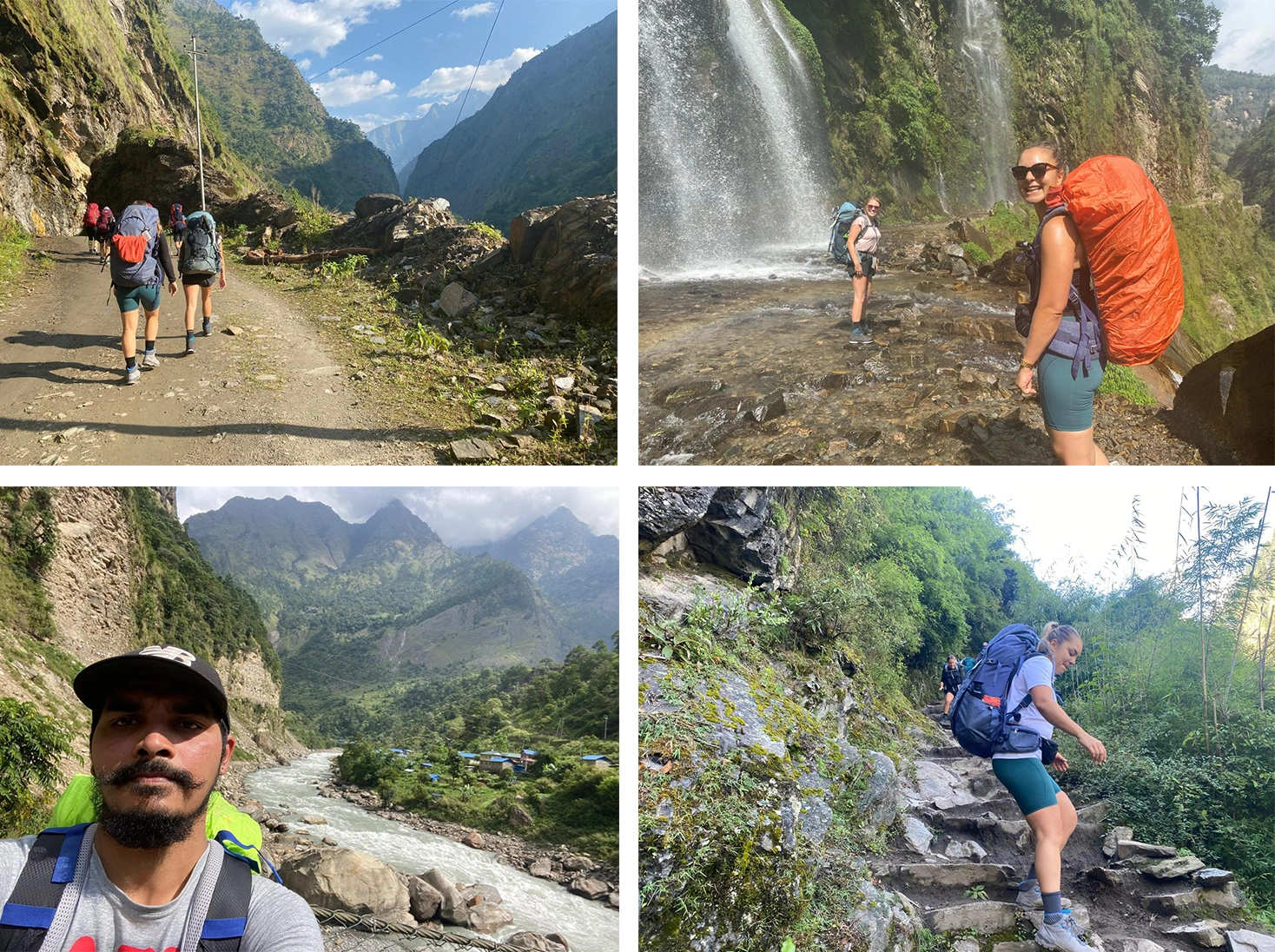
The Manaslu Circuit Trek is one of Nepal’s most rewarding restricted-area treks, circling the world’s eighth-highest mountain through remote villages, dense forests, and high-altitude desert landscapes before crossing the dramatic Larke Pass at 5,106 meters. Because the route is remote, altitude gains are significant, and logistics differ from more commercial trails like Everest Base Camp or Annapurna Circuit, proper preparation is not optional — it is the difference between an unforgettable journey and a trip cut short by altitude sickness, poor gear choices, or missed permits.
This guide is written specifically for first-time trekkers. It walks through every stage of preparation: understanding the trek itself, getting physically and mentally ready, sorting out permits and paperwork, packing correctly, budgeting realistically, and staying safe on the trail. Whether you’re an experienced hiker trying high altitude for the first time or someone completely new to multi-day trekking, this guide gives you a realistic, practical roadmap for the Manaslu Circuit.
Understanding the Manaslu Circuit Trek
Where Is the Manaslu Circuit Trek?
The Manaslu Circuit lies in west-central Nepal, roughly 160 km northwest of Kathmandu, encircling Mount Manaslu (8,163 m) in the Gorkha and Lamjung districts. The trail follows the Budhi Gandaki River valley northward before crossing into the Nubri and Tsum regions near the Tibetan border, then swings over the Larke Pass into the Marsyangdi valley, joining the final stages of the classic Annapurna Circuit route.
How Difficult Is the Manaslu Circuit Trek?
The trek is generally rated moderate to challenging. It is longer and more physically demanding than short teahouse treks like Poon Hill, but doesn’t require technical climbing skills. The main difficulties are the sustained daily walking hours, the high altitude of Larke Pass, sometimes rough and narrow trail sections in the Budhi Gandaki gorge, and the remoteness — once you pass Jagat, options for evacuation or resupply become limited.
Trek Duration
Most itineraries run between 12 and 18 days, including arrival and departure days in Kathmandu. The trekking portion itself typically takes 14–16 days on the trail, with the variation depending on how many acclimatization and buffer days are included.
Maximum Altitude (Larke Pass – 5,106 m)
The trek’s high point is Larke Pass (also spelled Larkya La) at 5,106 meters, crossed on one of the final days before descending into Bimthang. This is the most physically demanding day of the trek, often starting before dawn to cross the pass while winds are calm and to reach lower elevation before afternoon weather sets in.
Total Distance Covered
The full circuit covers approximately 150–177 km depending on the exact starting and ending points and any side trips taken, such as excursions into the Tsum Valley or to Manaslu Base Camp.
Daily Walking Hours
Expect to walk 5–7 hours per day on average, with some longer days of up to 8–9 hours, particularly on the Larke Pass crossing day. Trail conditions, weather, and your own pace all affect actual walking time.
Why Choose the Manaslu Circuit Over Other Treks?
Compared to Everest Base Camp or the Annapurna Circuit, Manaslu offers a quieter, more remote experience with far fewer trekkers, richer Tibetan-Buddhist cultural exposure in the Nubri and Tsum valleys, and dramatic scenery without the crowded lodges and teahouse traffic jams common on more popular routes. Because it’s a restricted area, it also feels more like genuine wilderness trekking.
| Manaslu Tsum Valley Trek – 13 Days Trekking in Nepal From To US$ 815 Save US$ 310 | 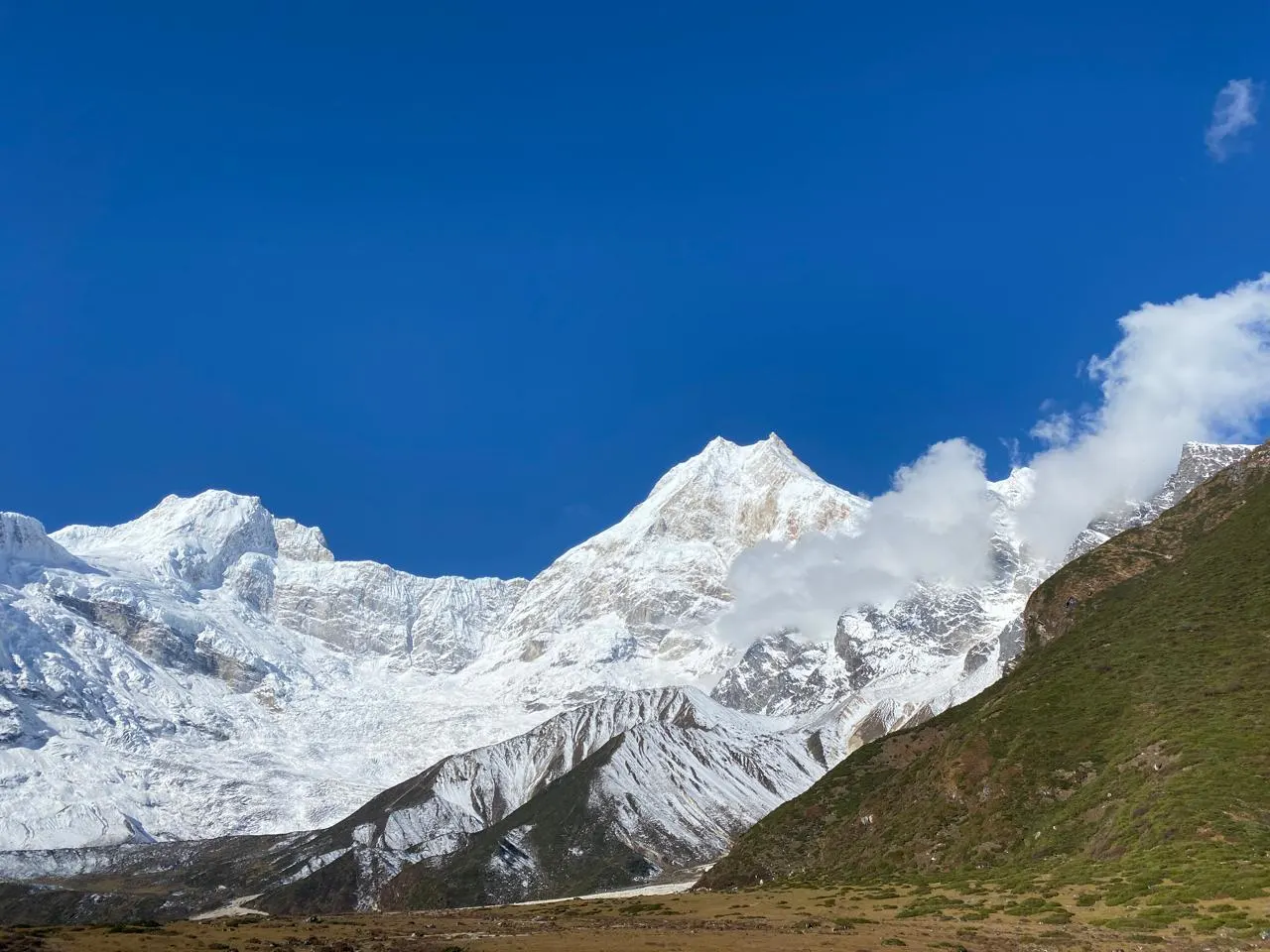 View Trip |
Is the Manaslu Circuit Trek Suitable for Beginners?
The trek can be completed by beginners, but with important caveats. It is not a “first hike ever” kind of trek — it should ideally be attempted by people with at least some multi-day hiking or long-distance walking experience, even if they haven’t been to altitude before.
Required fitness level: You should be comfortable walking 5–7 hours a day, several days in a row, carrying a daypack, on uneven terrain with elevation gain and loss.
Previous trekking experience: Not mandatory, but prior experience with multi-day hikes, stair climbing, or long trail runs makes the adjustment easier both physically and mentally.
Age considerations: Trekkers from their teens through their 60s and beyond complete this route successfully every year. What matters more than age is baseline cardiovascular fitness and how well your body handles altitude, which varies individually regardless of age.
Mental preparation: Long days, basic teahouse facilities, and unpredictable weather all test patience. Beginners who go in with realistic expectations tend to do far better than those expecting resort-style comfort.
Common beginner mistakes: Underestimating altitude, walking too fast in the early days, skipping training, and overpacking are the most frequent issues — all of which are addressed later in this guide.
Best Time to Trek the Manaslu Circuit
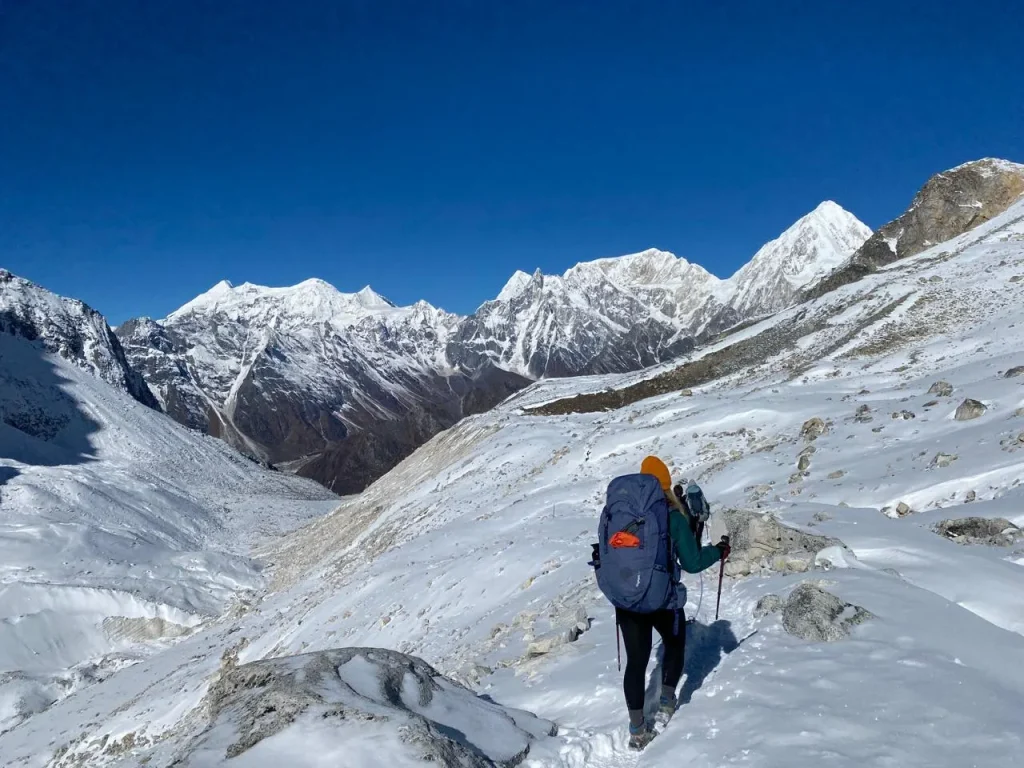
Spring (March–May)
Pros:
- Rhododendron and magnolia forests bloom vividly at mid-elevations, adding color to the lower and middle stages of the trek.
- Days are progressively warmer, making camp life and evening stops more comfortable than in winter.
- Morning visibility is generally good, with clearer mountain views before clouds build later in the day.
- Longer daylight hours give more flexibility for daily walking distances.
- Wildlife sightings (such as Himalayan tahr) are more frequent as animals become more active after winter.
Cons:
- Afternoon clouds and occasional pre-monsoon showers can obscure mountain views later in the day.
- Lower elevations can feel humid and warm during the day, making walking more tiring in the early stages.
- Some upper trail sections may still hold leftover snow or ice from winter, requiring caution.
- Popular lodges can be busy as spring is a secondary high season after autumn.
Autumn (September–November)
Pros:
- This is peak season for a reason — skies are typically clear, offering the best consistent mountain visibility of the year.
- Temperatures are moderate at most elevations, making it comfortable for both walking and sleeping.
- Trail conditions are stable and dry following the monsoon, reducing landslide and mud risk.
- Coincides with major Nepali festivals (such as Dashain and Tihar), offering cultural insight for trekkers interested in local traditions.
- Best season for photography, with sharp visibility of Manaslu and surrounding peaks.
Cons:
- Being the most popular season, teahouses can fill up faster, especially around Samagaon and Dharamsala, so early booking matters.
- Nights get progressively colder as the season goes on, particularly by late November.
- Trail traffic is higher, meaning less solitude compared to spring or off-season treks.
- Permit costs for the Restricted Area Permit are typically highest during this season.
Winter Trek
Pros:
- Dramatically fewer trekkers on the trail, offering a much quieter and more solitary experience.
- Exceptionally clear skies on stable weather days, with crisp, dust-free mountain views.
- Lower permit and lodging costs compared to peak autumn season.
- Snow-covered landscapes add a striking visual dimension to the lower and mid-altitude sections.
Cons:
- Heavy snowfall at higher elevations, and Larke Pass can become impassable or extremely hazardous without proper gear and experience.
- Many teahouses above Samagaon close for the season, significantly limiting accommodation options.
- Temperatures at the pass and surrounding high sections regularly drop well below freezing, especially overnight.
- Shorter daylight hours reduce the available window for safe daily walking.
- Higher risk of trip disruption or itinerary changes if the pass becomes unsafe to cross.
Monsoon Trek
Pros:
- Lush, vividly green landscapes at lower elevations as vegetation thrives on the rain.
- Significantly fewer trekkers on the trail and lower demand for teahouse space.
- Waterfalls and rivers along the route are at their most dramatic and full.
- Can be a lower-cost season for permits, guides, and accommodation.
Cons:
- Heavy rain from June through August makes trail conditions muddy and slippery, especially in the lower Budhi Gandaki gorge.
- Leeches are common on lower forested sections, requiring extra precautions.
- Landslide risk increases significantly along steep and exposed sections of the gorge.
- Mountain views are persistently obscured by cloud cover for much of the trip.
- Road access to the trailhead can be disrupted by landslides or flooding, risking delays. This is generally the least recommended season for this particular route.
Physical Preparation for the Manaslu Circuit Trek
How Fit Should You Be?
You don’t need to be an athlete, but you do need solid cardiovascular endurance and leg strength. A reasonable benchmark is being able to comfortably hike 4–6 hours on hilly terrain with a loaded daypack before you depart.
Recommended Training Plan (8–12 Weeks)
- Cardiovascular exercises: Running, cycling, swimming, or brisk walking 3–4 times a week to build aerobic base.
- Hiking practice: Weekend hikes on hilly terrain, gradually increasing distance and elevation gain.
- Stair climbing: Repeated stair or hill-repeat sessions build the specific muscles used in steady altitude gain.
- Leg workouts: Squats, lunges, and step-ups strengthen quads, hamstrings, and calves for both ascents and descents.
- Core exercises: Planks and rotational exercises improve balance and reduce fatigue when carrying a pack.
- Strength training: General full-body strength training twice a week supports joint stability over long trekking days.
- Flexibility training: Regular stretching or yoga reduces injury risk and helps with recovery between trekking days.
Weekly Training Schedule
A simple structure many trekkers follow: two cardio sessions, two strength sessions, one long hike on the weekend, and one rest or active-recovery day, gradually increasing the long hike’s distance and pack weight as the trek date approaches.
Mental Preparation
Long trekking days test patience as much as fitness. Preparing mentally means accepting that teahouse conditions will be basic — simple rooms, shared bathrooms in many cases, and no guarantee of hot showers or reliable Wi-Fi. Weather can change rapidly, delaying or altering plans, so flexibility matters more than a rigid schedule. Staying motivated on tough days often comes down to pacing yourself, focusing on short-term goals (the next teahouse, the next viewpoint), and remembering why you chose this trek in the first place.
Permits Required
Manaslu is a restricted area, meaning permits work differently than on more open routes.
- Manaslu Restricted Area Permit (RAP): Mandatory for the restricted section between Jagat and Dharapani. Costs vary by season, and are higher during September–November than the rest of the year.
- Manaslu Conservation Area Permit (MCAP): Required for the Manaslu Conservation Area, covering environmental fees for the protected zone.
- Annapurna Conservation Area Permit (ACAP): Needed for the section of trail that joins the Annapurna Conservation Area near Dharapani and Besisahar.
Why TIMS isn’t required: Because the Restricted Area Permit already regulates trekker movement and registration in this zone, the standard TIMS card used on other routes is not needed here.
Why a licensed guide is mandatory: Government regulations require all trekkers on the Manaslu Circuit to be accompanied by a licensed guide from a registered trekking agency — independent solo trekking without a guide is not permitted in the restricted section.
Minimum group requirement: Historically a minimum of two trekkers was required to obtain the Restricted Area Permit; solo trekkers typically need to arrange this through an agency that can accommodate the requirement, so check current rules with your operator before booking.
Choosing the Right Itinerary
- 12-Day Itinerary: A fast-paced option for very fit trekkers comfortable with limited acclimatization buffer.
- 14-Day Itinerary: The most common baseline, balancing pace with at least one dedicated acclimatization day.
- 16-Day Itinerary: Adds extra buffer and acclimatization days, recommended for most first-time high-altitude trekkers.
- 18-Day Itinerary: Includes additional rest days and sometimes side trips (such as into Tsum Valley), ideal for those who want the most conservative, lowest-risk pacing.
Why acclimatization days matter: Ascending too quickly is the single biggest risk factor for altitude sickness. Extra days built into longer itineraries allow your body to adjust to lower oxygen levels, dramatically reducing the risk of serious altitude-related illness, especially before the Larke Pass crossing.
Acclimatization Tips
- Why altitude sickness happens: As elevation increases, air pressure and available oxygen drop, and the body needs time to adapt through increased breathing rate and red blood cell production.
- Acclimatization days: Built-in rest days at key elevations (commonly Samagaon) give the body time to adjust before pushing higher.
- Walk high, sleep low: Taking day hikes to higher elevations before returning to sleep at a lower altitude helps the body acclimatize faster.
- Hydration: Drinking 3–4 liters of water daily supports circulation and helps the body cope with thinner air.
- Slow pace: Deliberately walking slower than feels necessary reduces exertion and oxygen demand.
- Avoid alcohol: Alcohol impairs sleep quality and can worsen dehydration at altitude.
- Recognizing symptoms: Headache, nausea, dizziness, and fatigue that don’t improve with rest are early warning signs that should never be ignored.
| Manaslu Circuit Trek – 12 Days Trekking in Nepal From To US$ 675 Save US$ 290 |  View Trip |
What to Pack for the Manaslu Circuit Trek
Packing correctly for three to four weeks of temperature and terrain variation is one of the most important parts of preparation.
Clothing:
- Moisture-wicking base layers
- Insulated mid-layers (down or synthetic jacket)
- A waterproof and windproof outer shell
- Trekking trousers
- Thermal underwear
- Warm hat
- Sun hat
- Gloves (both liner and insulated)
- and Buffs or neck gaiters.
Footwear:
- Broken-in waterproof trekking boots
- Camp shoes or sandals for evenings
- and 3–4 pairs of quality trekking socks plus liner socks.
Backpack: A 40–50L backpack for personal daypack use, plus a duffel bag (often provided by the agency) for the porter to carry.
Sleeping Gear: A four-season sleeping bag rated to at least -15°C to -20°C for higher elevations, and optionally a sleeping bag liner for added warmth and hygiene.
Trekking Equipment:
- Trekking poles
- A headlamp with spare batteries
- Sunglasses with UV protection
- and A basic repair kit.
Electronics:
- Power bank (10,000–20,000 mAh)
- Universal adapter
- Spare phone/camera batteries
- and A solar charger as backup.
Toiletries:
- Biodegradable soap
- Wet wipes
- Hand sanitizer
- Toothbrush and toothpaste
- and Quick-dry towel.
Personal Documents:
- Passport with visa
- Passport photos
- Permit copies
- Travel insurance documents
- and Printed emergency contacts.
First Aid Kit:
- Diamox (acetazolamide, on doctor’s advice)
- Basic pain relief
- Blister care
- Altitude sickness medication
- Water purification tablets
- and Any personal prescriptions.
Snacks:
- Energy bars
- Dried fruit
- Nuts
- and Electrolyte powders to supplement teahouse meals on demanding days.
Water Purification:
- A combination of purification tablets
- A filter bottle
- or A UV steripen to avoid relying solely on bottled water.
Optional Luxury Items:
- A pillow case
- Small travel journal
- Portable speaker
- or A favorite tea or coffee sachet for morale.
Want this checklist on the trail? Grab our free, printable Manaslu Circuit Trek Packing Checklist (PDF) — organized by category so you can tick items off as you pack.
What NOT to Pack
- Avoid bringing excessive changes of clothing
- Heavy cotton items that stay wet once damp
- Full-size toiletries
- Hardcover books
- Unnecessary camera lenses
- or Bulky luxury electronics.
Note: Every extra kilogram adds fatigue over multiple long walking days, so pack only what serves a clear function.
Choosing the Right Trekking Boots
Waterproof boots with ankle support are essential given river crossings, mud, and occasional snow near the pass.
Break-in period: Boots should be worn on at least several long walks before the trek to avoid blisters.
Socks: Merino wool blends manage moisture better than cotton.
Insoles: Upgraded cushioned insoles can significantly improve comfort on long descent days.
Backpack Weight Guide
Recommended limits: porter-carried duffel 12–15 kg, and personal daypack 5–7 kg containing water, snacks, layers, and essentials you need during the day. Keeping the total combined weight within these ranges keeps both you and your porter safe and comfortable.
Accommodation During the Trek
Teahouses along the route offer simple twin-share rooms with basic bedding. Bathrooms are often shared, and squat-style toilets are common, especially at higher elevations. Charging devices usually costs a small fee per hour, particularly above Jagat. Wi-Fi is available in many teahouses for a fee but becomes unreliable or unavailable above Samagaon. Hot showers are available in most lower-elevation teahouses (often for an extra charge) but are limited or unavailable at higher altitudes.
Food and Drinking Water
Typical teahouse meals include dal bhat (the trekking staple, offering unlimited refills in most places), fried rice, noodles (chow mein), pancakes, soups, and hot drinks such as milk tea, black tea, and coffee. Hydration tips: drink 3–4 liters daily, favor boiled or treated water over unverified bottled water to reduce plastic waste, and add electrolytes on demanding days to offset sweat loss.
Budget Planning
A realistic Manaslu Circuit budget should account for: permits (RAP, MCAP, ACAP), guide fees, porter fees, transportation to and from the trailhead, teahouse accommodation, daily meals, personal equipment purchases or rentals, tips for guide and porter, travel insurance, and a contingency fund for emergency expenses such as unexpected transport delays or medical needs. Costs vary considerably depending on season, group size, and whether you book through an agency or arrange permits independently (which, as noted, still requires a licensed guide).
Travel Insurance
Insurance for this trek must specifically cover high-altitude trekking up to at least 5,500 meters, helicopter evacuation (critical given the remoteness of the route), medical treatment abroad, and trip cancellation or interruption. Standard travel insurance policies often exclude high-altitude trekking by default, so confirm altitude coverage explicitly before purchasing.
Transportation to the Trailhead
The typical route runs Kathmandu → Machha Khola (usually a long full-day drive, sometimes with an overnight stop or a short flight/jeep combination) → continuing on foot to Jagat and beyond. On return, trekkers descend from Dharapani → Besisahar → Kathmandu, or connect through Pokhara depending on the exit itinerary chosen. Road conditions on both legs can be rough, particularly during and after monsoon season, so building in a buffer day for transport delays is wise.
Hiring a Guide and Porter
Hiring a guide provides safety oversight, navigation through unmarked or ambiguous trail junctions, cultural insights into the Nubri and Tsum communities, and a critical point of contact in emergencies — and, as noted, is legally required for this restricted route. A porter’s role is to carry your main duffel bag, freeing you to walk with a lighter daypack. Guides are typically trained in first aid, permit logistics, and route-finding, while porters focus specifically on load-carrying; many trekking agencies also offer porter-guides who combine both roles.
Communication During the Trek
Mobile networks (particularly NTC) have patchy but improving coverage through the lower and middle sections of the trail, though signal becomes unreliable or absent near Larke Pass. Wi-Fi is available for a fee in many teahouses up to around Samagaon. Charging is typically fee-based, so carrying a power bank reduces reliance on teahouse electricity. Offline maps (downloaded before departure) are strongly recommended as a backup navigation tool regardless of your guide’s familiarity with the route.
Weather Conditions
Expected temperatures vary significantly by elevation and season:
| Elevation | Spring (Day/Night) | Autumn (Day/Night) | Winter (Day/Night) |
| Low (900–2,000m) | 20–25°C / 10–15°C | 18–23°C / 8–13°C | 10–15°C / 2–6°C |
| Mid (2,000–3,500m) | 12–18°C / 2–8°C | 10–16°C / 0–5°C | 2–8°C / -8 to -3°C |
| High (3,500–5,106m) | 2–10°C / -10 to -2°C | 0–8°C / -12 to -5°C | -5 to 2°C / -20 to -12°C |
Note: Figures are general seasonal approximations and can vary year to year; always check recent forecasts and consult your guide before summit-day decisions.
Altitude Sickness Prevention
Symptoms: headache, dizziness, nausea, loss of appetite, and fatigue disproportionate to exertion.
Prevention: gradual ascent, adequate acclimatization days, hydration, and avoiding alcohol.
Emergency response: descending immediately if symptoms worsen, and never continuing ascent while symptomatic.
Diamox: commonly used as a preventive aid under medical guidance to speed acclimatization, though it is not a substitute for proper pacing.
When to descend immediately: if symptoms of severe altitude sickness appear, such as confusion, difficulty walking in a straight line, or breathlessness at rest, descent should not be delayed under any circumstances.
Safety Tips
Stay alert to sudden weather changes at higher elevations, exercise caution at river crossings (especially after rain), be aware of landslide-prone sections in the Budhi Gandaki gorge, keep a respectful distance from wildlife, and always carry your guide’s and agency’s emergency contact information along with your country’s embassy details in Kathmandu.
Cultural Etiquette
The Nubri and Tsum valleys are strongly Tibetan-Buddhist in culture. Show respect at monasteries by removing shoes when required and not touching religious artifacts. Walk clockwise around prayer wheels, mani walls, and chortens, in keeping with local tradition. Ask permission before photographing people or ceremonies. Observe local customs around dress and behavior in villages, and dress modestly, particularly around religious sites.
Responsible Trekking
Practice Leave No Trace principles by packing out all non-biodegradable waste. Reduce plastic use by refilling water bottles with treated water rather than buying disposable bottles. Support local businesses by choosing local teahouses, guides, and porters from the region where possible. Respect wildlife conservation guidelines within the Manaslu Conservation Area by keeping distance from animals and not disturbing habitats.
Essential Apps for the Trek
Maps.me and Organic Maps offer reliable offline mapping for the region. Google Maps has more limited offline detail for remote trails but is useful for the Kathmandu portions of the trip. PeakVisor helps identify surrounding peaks in real time. Weather apps with mountain-specific forecasts help with trip planning, and a currency converter app is useful for managing expenses in Nepali rupees.
Photography Tips
Some of the best viewpoints for photography include Samagaon and Manaslu Base Camp for direct mountain views, and Larke Pass itself for panoramic high-altitude scenery. Cold temperatures drain camera batteries quickly, so keep spares warm in an inner jacket pocket. Drone use is restricted in many parts of Nepal’s conservation and restricted areas, so check current regulations and obtain any necessary permission before flying one. Sunrise photography from teahouse viewpoints near Samagaon or Dharamsala often produces the most dramatic light on the peaks.
Common Mistakes First-Time Trekkers Make
Underestimating the effects of altitude, overpacking and carrying unnecessary weight, poor hydration habits, walking too fast in the early days of the trek, skipping physical training beforehand, wearing brand-new boots without breaking them in, and ignoring weather forecasts before key crossing days are the most common and avoidable mistakes.
Frequently Asked Questions (FAQ)
Can beginners do the Manaslu Circuit Trek?
Yes, with adequate physical preparation, a conservative itinerary, and a licensed guide, beginners regularly complete this trek successfully.
How fit do I need to be?
You should be able to comfortably walk 5–7 hours a day on hilly terrain with a daypack; several weeks of dedicated training beforehand is strongly recommended.
Is a guide mandatory?
Yes, government regulations require a licensed guide for the restricted Manaslu section.
What permits are required?
The Manaslu Restricted Area Permit, Manaslu Conservation Area Permit, and Annapurna Conservation Area Permit are all required.
How cold does it get?
Temperatures at higher elevations can drop well below freezing at night, especially in winter, while lower valley sections stay mild.
Is travel insurance mandatory?
It isn’t legally mandatory but is strongly recommended, and must include high-altitude and helicopter evacuation coverage.
Can I charge my phone?
Yes, most teahouses offer charging for a small fee, though this becomes less reliable at higher elevations.
Is Wi-Fi available?
Yes in most lower and mid-elevation teahouses for a fee, but it becomes unreliable or unavailable near Larke Pass.
How much cash should I bring?
Bring sufficient Nepali rupees in cash before starting the trek, as ATMs are not available once you leave the main towns.
What is the highest point of the trek?
Larke Pass at 5,106 meters is the highest point on the route.
Can I rent trekking gear in Kathmandu?
Yes, Kathmandu (particularly the Thamel area) has numerous shops renting sleeping bags, down jackets, and other trekking equipment.
How many acclimatization days do I need?
Most itineraries include at least one to two dedicated acclimatization days, typically around Samagaon, before the Larke Pass crossing.
Final Preparation Checklist (1 Week Before Departure)
- Passport with valid visa
- All required permits confirmed
- Travel insurance policy printed and saved digitally
- Sufficient Nepali rupee cash
- Trekking gear fully packed and tested
- Backpack and duffel weight checked
- Personal medicines and first aid kit packed
- Final fitness check and light activity only (avoid intense training right before departure)
- Weather forecast reviewed for the trekking window
- Emergency contacts shared with family and saved offline
Conclusion
The Manaslu Circuit Trek rewards careful preparation. Understanding the route, training your body in the months beforehand, sorting permits early, packing thoughtfully, and respecting the effects of altitude all combine to turn a demanding trek into an achievable, deeply rewarding experience. With the right planning, even first-time trekkers can stand atop Larke Pass and complete one of Nepal’s most spectacular circuits safely and confidently.
Need Help? / Call Us
+977-9845548583 or Chat with us on WhatsApp