Highlights
- Romantic trek to Annapurna Base Camp (4,130m)
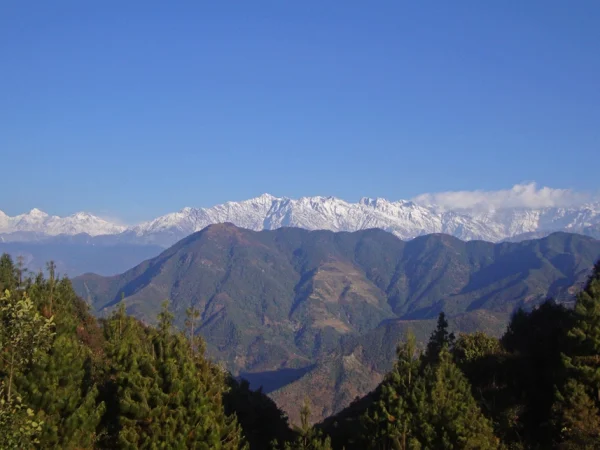
- Spectacular views of Annapurna I, Machhapuchhre, Hiunchuli, and Annapurna South
- Sunrise and sunset over the Annapurna Himalayan range
- Scenic walk through traditional Gurung villages
- Explore the beautiful Annapurna Sanctuary
- Trek through rhododendron, bamboo, and oak forests
- Cozy mountain lodge experiences with your partner
- Relax in the natural hot springs at Jhinu Danda
- Authentic local culture and Himalayan hospitality
- Stunning photography opportunities throughout the journey
- Peaceful moments amidst pristine mountain landscapes
- Memorable adventure combining romance, nature, and culture
- One of Nepal's most iconic trekking experiences for couples
- Panoramic mountain views from Chhomrong and Sinuwa
- Create lifelong memories in the heart of the Himalayas
Overview
Introduction
The Annapurna Base Camp Honeymoon is the best one for a romantic gateaway with your partner. The trek takes couples through forests, villages, rivers, and finally drops them right in the middle of towering snow peaks. Roads and noise disappear behind, Mountains get closer. Air gets cleaner and life gets simpler.
Most honeymoons mean beaches and buffets. This one means boots and backpacks. Tea houses instead of hotels. Trail mix instead of room service. And honestly? That’s exactly why it works.
The trail is solid. Tea houses line the route. Views hit hard but don’t overwhelm. Couples get time to walk, talk, rest, and actually be together without distractions.
Why This Trek Works for Honeymoon
Scenery changes every single day. Rhododendron forests one morning. River crossings by afternoon. Village stone steps the next day. Then boom Himalayan giants all around.
First-timers finish this trek all the time. The trail stays clear. Local families run the tea houses and know every trekker by face after day two. Hot meals show up when needed. Warm beds exist at every stop. No tents. No cooking fuel. Just walk and eat.
Standing at base camp after days of climbing together? That sticks. Long after tan lines fade and jetlag passes, that moment at 4,130 meters stays sharp.
Highlights
- Rhododendron forests explode with color in spring
- Stone villages where people actually live, not tourist shows
- Hot springs at Jhinu after your legs are screaming
- Annapurna South, Hiunchuli, Machhapuchhre, Gangapurna up close
- The Sanctuary mountains forming a complete circle
- Base camp with peaks everywhere you look
- Sunrise colors that cameras can’t quite catch
- Wood stove evenings with other trekkers
- Real adventure mixed with actual romance
Best Season
Spring (March to May) : The season brings flowers. Rhododendrons turn hillsides red and pink. Temperatures stay comfortable. Mornings show the mountains clearly before afternoon clouds roll in.
Autumn (September to November) : It gives the clearest skies. Post-monsoon air is sharp. Views go on forever. This is peak season so tea houses fill up. Book ahead.
Winter (December to February): The season obviously means cold, there is Serious cold. Base camp hits -15°C. Snow everywhere above 3,500 meters. Way fewer people though. Some lodges shut down.
Monsoon (June to August) : It brings rain, mud, leeches, and clouds blocking views. Skip it, but it might be an adventure with lush green highlands which feels pretty.
Spring or autumn. Pick one, they are the best season for the trek.
Altitude Sickness:
Base camp sits at 4,130 meters. That’s high enough to cause problems regarding altitude sickness.
Symptoms:
- Headache (almost everyone gets this)
- Nausea, no appetite
- Dizziness when standing
- Tired beyond normal
- Breathing gets harder
- Sleep goes weird
How to avoid problems:
- Walk slow. Seriously slow.
- Drink water constantly. 3-4 liters daily.
- Eat even when food sounds awful.
- Rest days aren’t optional.
- Skip alcohol entirely.
- Tell the guide immediately if something feels wrong.
- Diamox helps if your doctor approves.
Confusion, can’t walk straight, throwing up repeatedly? Go down. Right then. Don’t wait. Don’t debate.
Most people get mild headaches and feel tired. That’s normal. The dangerous stuff is rare when you follow the schedule and don’t rush.
Permits
Two permits are required for the trek. It takes about 30 minutes if doing it yourself.
TIMS Card – $20 per person (not mandatory)
ACAP – $30 per person
Guides handle this automatically. If going solo, get them in Kathmandu or Pokhara. Bring passport copies and photos to obtain it
Checkpoints along the trail will ask to see them. Keep them dry and accessible.
Accommodation
Tea houses,That’s it. The stay are simple and basic yet the hospitality make it warm and best.
Couples get private rooms with two beds, thin mattresses, basic blankets. Walls are plywood thin. Bathrooms are shared down the hall or you can get attached too according to your budget.
Hot showers cost extra and “hot” is generous. WiFi exists but costs money and barely works. Charging phones runs $2-5 per device.
Rooms cost almost nothing because lodges make money on food. Sleep there, eat there. Fair trade.
Dining halls have wood stoves. That’s where everyone hangs out after dinner playing cards, swapping stories, warming hands on tea cups.
It’s basic. It’s cold at night. It’s absolutely a simple and holistic way of living.
Food
You dont have to worry about the food, tea house kitchens pump out hot food all day.
Dal Bhat is the move. Rice, lentils, vegetables. Unlimited refills, Carbs and protein and acts as Trek fuel. Eating it twice daily helps our legs to stay strong.
Othe options are also available: noodle soup, fried rice, pasta, potatoes, eggs, pancakes, porridge. Ginger tea, instant coffee, hot chocolate.
Vegetarian food is prefered above 3,000 meters. Meat gets sketchy at altitude. Digestion struggles enough without adding that.
Always try to eat cooked food only, no raw vegetables. No tap water is suggested Boil it or purify it.
Prices climb with elevation. Everything gets carried up by porters. A meal that costs $5 in Chhomrong runs $10 at base camp.
Foods are warm and hearty after walking all day.
Culture
We can observe Gurung and Magar villages dotting the trail. Real places, Real people, Not museums, but we can consider as a living museum too.
We can witness stone houses built to last centuries. Terraced fields carved into impossible slopes. Buffalo, chickens, vegetable gardens. Life runs on seasons, not schedules.
People say “Namaste” and mean it. Kids wave. Elders nod. Nobody is faking hospitality for tips.
Prayer flags are everywhere. Monasteries next to Hindu shrines. Religion blends without friction.
Cover shoulders and knees in villages. Ask before photographing faces. Take shoes off before entering homes or temples. Learn “Dhanyabad” (thank you) and “Mitho cha” (delicious). Small stuff. Makes a difference.
Guide and Porter
Guide ($25-35/day plus tip): They Show you the way. Explains which peak is which. Manages pace so altitude doesn’t wreck you. Spots problems before they get serious. Translates everything. Introduces you to relatives in villages.Their support and nagivation is worth every rupee.
Porter ($15-20/day plus tip): Carries 15 kilos of your stuff. You walk with just a daypack water, snacks, camera, jacket. Knees thank you. Back thanks you. Energy level doubles.
Plus it’s solid income for local families.
Make sure porters have warm gear, insurance, decent wages. Book through agencies that treat them right. This matters.
Going without guide and porter is possible. Trail’s marked. But guides add safety, knowledge, and access that money can’t buy later.
Personal Story
Walking into the Annapurna Sanctuary felt surreal. The valley narrowed. The peaks closed in from every direction. The silence deepened. Every step forward felt like entering something sacred and timeless.
At base camp, standing together at 4,130 meters, surrounded by mountains on all sides, the moment felt overwhelming. The achievement, the beauty, the thin air, the exhaustion everything combined into pure emotion. Holding hands, looking around at the snow giants, feeling small yet complete. That moment justified every difficult step, every early morning, every cold night.
Evenings in tea houses created unexpected intimacy. Warm meals after hard days. Quiet conversations by firelight. Sharing blankets against the cold. Mountain nights without screens or distractions. These simple moments created connection deeper than any luxury resort could manufacture.
The trek taught lessons beyond hiking. Patience during difficult sections. Support when one person struggled. Celebration of small victories. Trust in each other’s strength. These lessons apply to marriage itself.
Reaching Annapurna Base Camp together wasn’t just a honeymoon activity. It was the beginning of a shared story written in the heart of the Himalayas. A story about two people who chose adventure over comfort, experience over luxury, and connection over convenience.
That story continues long after the trek ends. Every time challenges arise, the memory returns: standing together at base camp, having walked every step side by side, knowing that whatever comes next can be faced the same way together, one step at a time.
Trek Itinerary
- Day 1: Drive Pokhara to Nayapul, trek to Tikhedhunga or Ulleri
- Day 2: Trek to Ghorepani
- Day 3: Poon Hill sunrise, trek to Tadapani
- Day 4: Trek to Chhomrong
- Day 5: Trek to Himalaya or Deurali
- Day 6: Trek to Annapurna Base Camp
- Day 7: Return trek to Bamboo
Day 8: Trek to Jhinu, drive back to Pokhara
Detailed Itinerary
Inclusions
What's included?
- Airport pick-up and drop-off transfers
- Private transportation as per itinerary
- Hotel accommodation in Kathmandu and Pokhara
- Tea house/lodge accommodation during the trek
- Daily breakfast in Kathmandu and Pokhara
- Full board meals during the trek (Breakfast, Lunch, and Dinner)
- Licensed English-speaking trekking guide
- Porter service (shared or private as per package)
- Guide and porter salary, meals, accommodation, insurance, and allowances
- Annapurna Conservation Area Permit (ACAP)
- TIMS Card / required trekking permits
- Government taxes and service charges
- Basic first-aid kit
- Sleeping bag and duffel bag (if provided by the company)
What's not included?
- Nepal entry visa fee
- International airfare
- Travel and medical insurance
- Personal trekking gear and equipment
- Lunch and dinner in Kathmandu and Pokhara (unless specified)
- Hot showers, Wi-Fi, battery charging, and laundry services during the trek
- Soft drinks, bottled water, alcoholic beverages, and snacks
- Personal expenses and shopping
- Tips for guides, porters, and drivers
- Emergency evacuation and rescue expenses
- Costs arising from flight delays, natural disasters, or unforeseen circumstances
- Optional activities and sightseeing not mentioned in the itinerary
- Any services not specifically listed under "Cost Includes"
Equipment (Essential Gears)
Trip Map
FAQs
Is this trek suitable for honeymoon couples?
Yes, absolutely. This trek is adventurous but still comfortable and deeply rewarding. Couples bond through shared challenge. The scenery creates romantic moments naturally. Tea house accommodations provide adequate comfort. The achievement of reaching base camp together strengthens relationships.
Do couples need previous trekking experience?
No. Normal fitness and positive mindset are enough. The trail is well-established and non-technical. Thousands of first-time trekkers complete this journey successfully every year. Walking 5-6 hours daily with breaks is the main requirement.
How long is the trek?
Usually 7 to 10 days depending on pace and itinerary. Standard routes take 8-9 days. Adding Poon Hill extends the trek by 2-3 days. Couples can adjust duration based on fitness, time available, and acclimatization needs.
Is altitude sickness a serious risk?
Altitude sickness can occur, but proper pacing and hydration reduce risk greatly. Most trekkers experience mild symptoms like headaches. Serious cases are rare when following gradual itineraries. Listening to bodies and guides prevents major problems.
What permits are required?
TIMS Card and Annapurna Conservation Area Permit. Guides handle these for most couples. Total cost is approximately $50 per person. Permits support safety systems and conservation efforts.
Is a guide necessary?
Highly recommended for safety, comfort, and better understanding of the region. Guides prevent getting lost, manage altitude risks, facilitate cultural interactions, and provide valuable knowledge. Independent trekking is possible but much riskier and less rewarding.
Can the trek be customized?
Yes. Pace, duration, and accommodation can be adjusted. Some couples add extra rest days. Others combine ABC with Poon Hill. Itineraries flex around needs and preferences. Discuss customization with trekking agencies.
What fitness level is needed?
Moderate fitness suffices. Training should include regular walking or hiking for 2-3 months before departure. Building leg strength and cardiovascular endurance helps significantly. No gym membership required just consistent walking.
What gear is essential?
Good hiking boots, layered clothing for all weather, sleeping bag (rentable in Pokhara), trekking poles, headlamp, sunglasses, and sun protection. Complete packing lists are available from agencies. Most gear can be purchased or rented in Kathmandu or Pokhara.
Is food safe on the trail?
Yes, generally very safe. Stick to cooked food, avoid raw vegetables, and purify drinking water. Thousands of trekkers eat tea house food daily without problems. Basic hygiene awareness prevents issues.
How much does the trek cost?
Package costs range from $600-1200 per person depending on services included. This covers guide, porter, permits, accommodation, and sometimes meals. Additional costs include drinks, snacks, hot showers, and tips.
Can non-hikers complete this trek?
Yes, if they prepare adequately. Start training three months early. Build walking stamina gradually. Anyone determined and properly prepared can succeed. Age matters less than attitude and preparation.