Highlights
- Sunrise view from Poon Hill.
- Annapurna Base Camp (4,130m) experience.
- Authentic Gurung and Magar cultural villages.
- Rhododendron forests and diverse Himalayan landscapes.
- Natural hot springs at Jhinu Danda.
Overview
The ABC Trek with Poon Hill offers one of Nepal’s most famous hiking routes which provides hikers an opportunity to explore Himalayan views while experiencing local mountain traditions and different natural environments and hiking paths which suit all levels of hiker experience.
The trek presents two major attractions of the Annapurna region through its sunrise viewpoint at Poon Hill and its famous alpine sanctuary at Annapurna Base Camp which shows travelers both spectacular views and genuine local experiences.
The complete Himalayan experience emerges from this itinerary which goes beyond conventional trekking routes which focus solely on reaching specific endpoints. The path presents daily discoveries which include all terraced agricultural fields and traditional villages and deep forest areas and glacial valleys which create equal value for both the journey and the final point.
The trekking company develops this package to satisfy professional standards which guarantee customer comfort and security and proper acclimatization and creation of long-lasting experiences. The trek provides an ideal route for both beginner trekkers who want to see the Himalayas and seasoned adventurers who want to experience nature through walking.
Why This Trek is One of Nepal’s Most Loved Routes
People consider the Annapurna region to be the main trekking area of Nepal. The route attracts visitors because it offers two incredible experiences that unfold within a brief time frame. There are few treks in the world that let you experience subtropical forests and cross suspension bridges and meet local mountain communities while standing between massive snow-covered peaks during a two-week period.
Travelers choose this trek because it offers:
- Diverse landscapes in a short timeframe
- Cultural immersion with local ethnic communities
- Comfortable teahouse accommodations
- Accessible trails suitable for moderate fitness levels
- Some of the best mountain views in the Himalayas
Trekkers report that this trail provides them with the experience of multiple adventures which they can complete during one trip. Each day presents a new highlight which begins at sunrise viewpoints and ends at glacial amphitheaters.
The Unique Combination: Poon Hill + Annapurna Base Camp
The majority of Nepalese trekking paths lead travelers to either scenic viewpoints or high-altitude locations. This trek exists as a unique experience which offers both types of trekking.
Sunrise at Poon Hill
The most enchanting experience of the journey begins at the trek’s initial phase. We trek uphill to Poon Hill by using headlamps to guide our way before the day starts. The sunrise causes golden light to progressively brighten Annapurna South Dhaulagiri Nilgiri and Machapuchare peaks. The event creates a combination of peacefulness and strong emotions which results in an unforgettable experience.
Entering the Annapurna Sanctuary
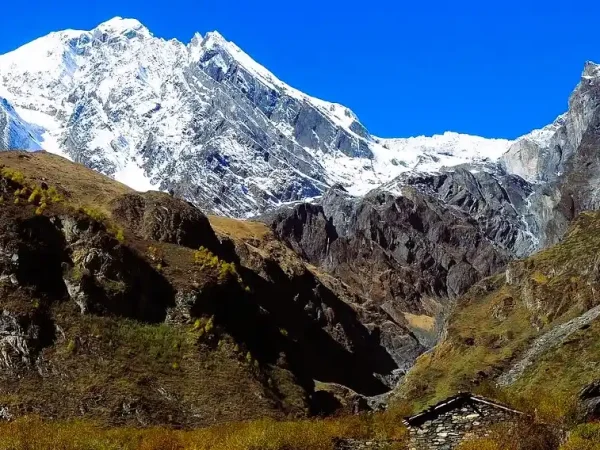
The trek provides a visual transformation which reveals totally different landscapes. The forest cover decreases while the valleys expand and the snowy peaks become more visible. The journey ends at Annapurna Base Camp which exists as a natural amphitheater surrounded by massive Himalayan mountains. The moment creates a full mountain experience which most trekkers consider to be their most important life experience.
Scenic Diversity Along the Trail
One of the most fascinating aspects of this trek is the constant transformation of scenery. The trail never feels repetitive because every section offers something new:
- Subtropical forests with waterfalls
- Terraced hillsides and farmland villages
- Dense rhododendron forests
- Rocky alpine valleys
- Snow-covered high-altitude terrain
Spring is especially beautiful when rhododendron forests bloom in vibrant shades of red, pink, and white. In autumn, the skies are crystal clear, offering uninterrupted mountain views almost every day.
Cultural Experience on the Trek
Beyond landscapes, this trek is also a cultural journey. The Annapurna region is home to ethnic communities such as Gurung and Magar people, who have preserved their traditions for generations.
Along the trail, you’ll experience:
- Traditional stone houses
- Prayer flags and monasteries
- Local farming lifestyles
- Mountain hospitality
Teahouses along the route are often family-run lodges where trekkers can interact with locals, learn about their traditions, and taste authentic regional cuisine. These encounters add warmth and authenticity to the journey.
Food and Accommodation
We ensure comfortable teahouse accommodation throughout the trek. Rooms are simple but cozy, usually twin-sharing with blankets and pillows. Dining halls are warm and welcoming, often heated by traditional stoves.
Meals are freshly prepared and nutritious to support trekking energy. Common options include:
- Dal Bhat (rice, lentils, vegetables)
- Noodles and pasta
- Soups and potatoes
- Eggs, pancakes, porridge
- Tea, coffee, and hot drinks
Dal Bhat is especially popular among trekkers because it provides balanced nutrition and unlimited refills in many lodges.
Difficulty Level and Physical Preparation
The ABC Trek with Poon Hill is considered moderate in difficulty. It doesn’t require technical climbing skills, but it does involve daily walking for several hours.
Typical trekking days involve:
- 5–7 hours of walking
- Stone staircases and uphill climbs
- Descents through forest trails
- Gradual altitude gain
Anyone with average fitness and determination can complete this trek. We recommend light cardio training, walking practice, and stair climbing exercises before arrival to prepare your body.
Altitude and Acclimatization
Altitude sickness (Acute Mountain Sickness {AMS}) can occur when trekkers ascend to high elevations like 4,000m+, such as at Annapurna Base Camp. It happens because the body struggles to adapt to lower oxygen levels. Understanding symptoms and prevention is essential for a safe trek.
Common Symptoms of Altitude Sickness
Symptoms usually appear within 6–24 hours after gaining altitude:
- Persistent headache
- Nausea or vomiting
- Dizziness or lightheadedness
- Fatigue or weakness
- Loss of appetite
- Difficulty sleeping
- Shortness of breath
Serious warning signs (need immediate descent):
- Confusion
- Severe breathlessness
- Loss of coordination
- Chest tightness
Preventive Measures
1. Ascend Slowly
2. Stay Hydrated
3. Eat Properly
4. Avoid Alcohol & Smoking
5. Walk at a Steady Pace
6. Take Acclimatization Days
7. Listen to Your Body
Never ignore symptoms. Inform your guide immediately if you feel unwell.
Golden Rule of High-Altitude Trekking
“Climb high, sleep low and never ascend with symptoms.”
If symptoms worsen, the safest treatment is always descending to a lower altitude.
Our Safety Approach (Company Practice)
When you trek with us, we ensure:
- Properly designed acclimatization itinerary
- Experienced guides trained in altitude safety
- Daily health monitoring
- Emergency response planning
Your safety always comes before the summit.
Our trained guides are experienced in recognizing altitude-related symptoms and prioritizing your safety at all times.
Best Time to Trek
We can do this trek around the year but the best seasons for this trek are:
Spring (March – May)
- Blooming rhododendron forests
- Pleasant temperatures
- Clear mountain views
Autumn (September – November)
- Stable weather
- Excellent visibility
- Comfortable trekking conditions
Winter and monsoon seasons are possible but involve challenges such as snow or rain. For the best overall experience, spring and autumn are highly recommended.
Permits Required
To trek in the Annapurna region, the following permits are required:
- Annapurna Conservation Area Permit (ACAP)
- TIMS Card (Trekkers’ Information Management System)
When you book with us, we handle all permit arrangements in advance so you don’t have to worry about paperwork or logistics.
Sample Itinerary Outline
Here is a general itinerary structure for this trek:
Day 1 – Arrival in Pokhara
Day 2 – Drive to trailhead and trek to Ulleri
Day 3 – Trek to Ghorepani
Day 4 – Sunrise hike to Poon Hill and trek to Tadapani
Day 5 – Trek to Chhomrong
Day 6 – Trek to Bamboo
Day 7 – Trek to Deurali
Day 8 – Trek to Annapurna Base Camp
Day 9 – Descend to Bamboo
Day 10 – Trek to Jhinu Danda (hot springs)
Day 11 – Trek to road point and return to Pokhara
This itinerary can be customized depending on your time, fitness, and preferences.
Safety and Support
Your safety is our top priority. We ensure everything during the trek goes smoothly and efficiently. During the trek, we provide:
- Licensed professional guides
- First-aid kits
- Emergency planning protocols
- Route monitoring
- Weather tracking
Our team is trained to respond quickly and professionally to any situation, ensuring peace of mind throughout the journey.
Why Book This Trek with Us
Choosing the right trekking company can make all the difference in your experience. When you trek with us, you receive:
- Experienced local guides
- Transparent pricing with no hidden costs
- Customizable itineraries
- Ethical porter support
- 24/7 assistance
- Responsible tourism practices
We combine professional organization with local expertise to ensure your journey is smooth, safe, and unforgettable.
Responsible and Sustainable Trekking
We strongly believe in protecting the mountains we explore. Our trekking practices support environmental conservation and local communities.
We encourage trekkers to:
- Avoid single-use plastics
- Respect local culture and traditions
- Follow Leave No Trace principles
- Support local businesses
By trekking responsibly, we help preserve the Himalayas for future generations.
Who is This Trek Perfect For?
This trek is ideal for:
- First-time Himalayan trekkers
- Adventure seekers wanting scenic variety
- Photographers and nature lovers
- Travelers seeking cultural immersion
- Couples and small groups
It’s one of the rare treks that balances accessibility with dramatic mountain scenery.
Emotional Highlights of the Journey
The travelers who take this trek view the experience as more than a physical challenge. The moments which include watching the sunrise above Himalayan peaks and sharing tea with locals and standing silently at base camp create emotional memories which last forever. The people-to-people cultural exchange creates a stronger emotional connection with the people from the exchange.
The journey connects you to three elements which include nature and cultural heritage and your inner self.
Final Thoughts
The ABC Trek with Poon Hill is not just a trek it’s a complete Himalayan story. All travel aspirations can be fulfilled through its combination of majestic mountains and peaceful forests and welcoming villages and breathtaking views.
Our experienced team will deliver safe and comfortable travel to the Annapurna region through our meticulously organized itinerary which ensures your journey will become an extraordinary life experience.
This Himalayan trek offers you the ideal trekking experience which combines natural beauty with cultural elements and physical challenges and motivational elements.
Detailed Itinerary
Inclusions
What's included?
- Airport pick-up and drop-off transfers
- Tourist bus transportation (Kathmandu–Pokhara–Kathmandu)
- Local transportation to/from trek starting and ending points
- Hotel accommodation in Kathmandu/Pokhara (as per itinerary)
- Tea house/lodge accommodation during the trek
- Licensed English-speaking trekking guide
- Guide's salary, meals, accommodation, insurance, and allowances
- Annapurna Conservation Area Permit (ACAP)
- TIMS Card / required trekking permits
- Government taxes and service charges
- Basic first-aid kit
- Sleeping bag and duffel bag (if provided by the company)
- Breakfast in cities and/or full-board meals during the trek (depending on package)
What's not included?
- Nepal entry visa fee
- International airfare
- Travel and medical insurance
- Personal trekking equipment and gear
- Lunch and dinner in Kathmandu/Pokhara (unless specified)
- Hot showers, Wi-Fi, battery charging, and laundry services
- Soft drinks, bottled water, alcoholic beverages, and snacks
- Personal expenses
- Tips for guides, porters, and drivers
- Emergency evacuation and rescue costs
- Optional activities not mentioned in the itinerary
- Any services not specifically listed in the "Cost Includes" section
Equipment (Essential Gears)
Trip Map
FAQs
1. How difficult is the ABC Trek with Poon Hill?
The trek is considered moderate. It involves 5–7 hours of daily walking on stone steps, forest trails, and gradual ascents. Anyone with average fitness and determination can complete it.
2. What is the highest altitude of the trek?
The highest point is Annapurna Base Camp at 4,130 meters, while the famous sunrise viewpoint Poon Hill sits at 3,210 meters.
3. Is altitude sickness a concern on this trek?
Altitude sickness is possible but less common compared to higher treks. Proper acclimatization, hydration, and slow pacing greatly reduce risk. Our guides monitor trekkers daily for safety.
4. What permits are required?
You need:
- Annapurna Conservation Area Permit (ACAP)
- TIMS Card
We arrange all permits for you when you book the package.
5. What is the best time to do this trek?
The best seasons are:
- Spring (March–May): Blooming rhododendrons and clear skies
- Autumn (September–November): Stable weather and sharp mountain views
6. Do I need previous trekking experience?
No prior trekking experience is required. However, basic fitness preparation like walking, cardio, and light hiking is recommended.
7. What kind of accommodation is available?
You stay in teahouses (mountain lodges) that provide clean rooms, warm dining spaces, and freshly prepared meals. Facilities become simpler as altitude increases.
8. What food is available during the trek?
Teahouses offer a wide variety of meals such as:
- Dal Bhat (local staple)
- Noodles & pasta
- Soups and vegetables
- Eggs, pancakes, tea & coffee
Meals are nutritious and suitable for trekking energy.
9. Is Wi-Fi or phone signal available?
Wi-Fi and mobile signal are available in many villages, but connection can be slow or limited at higher altitudes. We recommend informing family beforehand.
10. Can beginners do this trek?
Yes. This trek is often recommended for beginners who want a real Himalayan experience without extreme technical difficulty.
11. How long does the trek take?
The trek typically takes 10–12 days, depending on itinerary pace, acclimatization days, and customization.
12. Do I need a guide for this trek?
Yes. Current trekking regulations in Nepal generally require trekkers to be accompanied by a licensed guide. Trekking with a guide also improves safety, navigation, and cultural experience.
13. What should I pack?
Essential items include trekking boots, warm layers, down jacket, gloves, hat, sunglasses, sunscreen, and a refillable water bottle. We provide a detailed packing list before your trip.
14. Is travel insurance required?
Yes. Travel insurance that covers high-altitude trekking and emergency evacuation is strongly recommended and often mandatory for booking.
15. Why choose this trek over others?
This trek is unique because it combines:
- Sunrise panorama viewpoint
- High-altitude base camp destination
- Cultural villages
- Forest and alpine landscapes
It’s one of the few routes that offers such variety in a single journey.