Highlights
Sunrise view from Poon Hill (3,210 m) Panoramic Himalayan views: Annapurna I, Dhaulagiri, Machhapuchhre Classic short trek ideal for beginners Beautiful rhododendron forests Traditional Gurung & Magar villages Stone stair climb at Ulleri Cozy tea house stays Scenic drive from Pokhara Peaceful mountain mornings and sunsets Best views with minimal altitude riskOverview
Introduction
The Poon Hill Trek is a timeless Himalayan journey that proves meaningful travel does not need to be long or extreme. This trek provides stunning mountain vistas and cultural experiences and mild physical demands and deep mental relaxation within its three-day duration. Poon Hill stands as one of Nepal’s most famous viewpoints because it reaches 3,210 meters and offers visitors a complete sunrise view of the Annapurna and Dhaulagiri mountain ranges.
The trek provides an ideal experience for beginners and wellness seekers and families and individuals who want to escape modern life for natural outdoor experiences. The trail takes hikers through traditional villages and beautiful rhododendron forests and serene mountain trails which help them experience a natural flow of time and enhanced sensory perception.
The Poon Hill Trek is not about how far you walk it is about how deeply you feel.
ITINERARY:
Day 1: Pokhara – Nayapul – Tikhedhunga / Ulleri
Day 2: Ulleri – Ghorepani
Day 3: Ghorepani – Poon Hill – Ghandruk – Pokhara
HIGHLIGHTS:
The Essence of the Poon Hill Experience
You have received training which included information until the month of October in the year 2023. The Poon Hill Trek remains special because it provides easy access to its trekking routes which maintain their original integrity. The Poon Hill trek offers a short yet well-organized experience which brings visitors to essential Himalayan sites. The trek provides visitors with a chance to experience mountain life at their own pace while they avoid sudden movements and high altitude risks.
The complete journey displays its dual nature through its delicate elements which create strong effects. The trail leads through ascending paths which showcase different landscapes while local people provide warm hospitality and travelers find peaceful times to reflect. The trek invites you to expand your breathing while you decrease your walking speed to hear the sounds of the forest and mountains and your inner self.
Himalayan Views & Natural Beauty
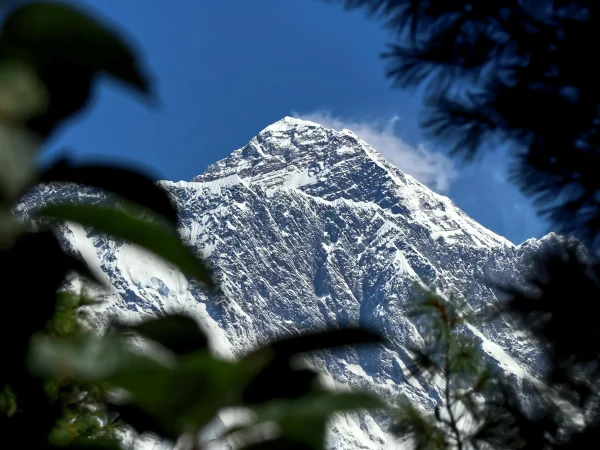
The highlight of the trek is undoubtedly the sunrise view from Poon Hill, one of the finest viewpoints in Nepal. From this single vantage point, trekkers witness a vast Himalayan panorama that includes:
- Dhaulagiri (8,167 m) – the world’s seventh-highest mountain
- Annapurna I (8,091 m) – the tenth-highest peak on Earth
- Annapurna South & Hiunchuli
- Machhapuchhre (Fishtail) – sacred and unclimbed
As dawn breaks, the mountains gradually glow with golden and crimson hues, creating a moment of awe and stillness that many describe as deeply emotional. This is not just a photo opportunity it is a moment of presence, humility, and gratitude.
Beyond the viewpoints, the trek passes through dense rhododendron forests, oak and pine trees, flowing streams, terraced hillsides, and open ridges. In spring, the forests burst into color, while in autumn, crisp air and crystal-clear skies dominate the landscape.
Culture
The Poon Hill region serves as home to two ethnic groups, Gurung and Magar, who maintain their distinct cultural identity while exhibiting friendliness and respect for their homeland. The traditional stone houses, prayer flags, small temples, and village trails reveal details about a way of life that exists in harmony with both the mountain environment and seasonal changes.
Mountain village stays offer travelers a chance to discover authentic aspects of Nepal that extend beyond typical tourist attractions. The meal preparation process shows dedication to quality, while people engage in honest and straightforward discussions, and they spend their nights outdoors beneath a sky filled with stars. The trek becomes a personal journey through human emotional experience because of this cultural experience, which brings deeper emotional connections to the trek.
Difficulty Level & Physical Requirements
The Poon Hill Trek provides easy to moderate difficulty, which makes it one of the most beginner-friendly Himalayan treks in Nepal. The trail features uphill sections and stone staircases, which require no technical climbing or extreme exposure to danger.
- Maximum Elevation: 3,210 meters
- Trek Duration: Short daily walking hours
- The path up to altitude brings minimal altitude risk because of its slow ascent.
- Basic fitness level serves as the minimum requirement for this activity.
This trek is suitable for first-time trekkers, older travelers in good health, and those who prefer comfort over challenge.
Accommodation Experience
Accommodation during the trek is in traditional mountain tea houses. These lodges are simple, clean, and welcoming, offering a comfortable resting space after a day of walking. Rooms usually include twin beds, warm blankets, and shared bathrooms.
What tea houses lack in luxury, they more than make up for in atmosphere. Heated dining areas, home-cooked meals, and friendly hosts create a sense of belonging and warmth. Evenings are calm and peaceful, ideal for reading, reflection, or quiet conversation.
Food & Nutrition on the Trail
Meals on the Poon Hill Trek are freshly prepared and designed to sustain trekkers through walking days. Food is simple, wholesome, and nourishing.
Common meal options include:
- Traditional dal bhat (rice, lentils, vegetables)
- Vegetable soups and noodle dishes
- Momos and Tibetan bread
- Porridge, pancakes, and eggs
- Herbal teas and ginger-lemon-honey drinks
Eating becomes a mindful ritual rather than a rushed activity, and dal bhat becomes your go to as its refillable and provides you energy.
Best Time to Trek
The Poon Hill Trek can be enjoyed throughout most of the year, with each season offering a unique experience.
Spring (March–May):
Rhododendron forests bloom, temperatures are mild, and the landscape is vibrant and alive.
Autumn (September–November):
Clear skies, stable weather, and sharp mountain views make this the most popular season.
Winter (December–February):
It will be cold but peaceful, with fewer trekkers and stunning clarity on clear days. You might also experience snowfall.
Monsoon (June–August):
Lush greenery and fewer crowds; suitable with flexible planning. But is risky due to heavy rain and leeches.
Permits & Regulations
To trek in the Poon Hill region, the following permits are required:
- Annapurna Conservation Area Permit (ACAP)
- TIMS Card (Trekkers’ Information Management System)
These permits support conservation efforts and local communities and are typically arranged by the trekking company.
Sustainability & Responsible Travel
The Poon Hill Trek encourages responsible and low-impact tourism. Staying in local tea houses directly supports village economies, while trekking routes within conservation areas promote environmental awareness.
Travelers are encouraged to:
- Minimize plastic use
- Respect local customs and traditions
- Walk mindfully and leave no trace
- Support local food and accommodations
This approach ensures the region remains pristine for future generations.
Who Is This Trek Perfect For?
- First-time Himalayan trekkers
- Wellness and mindfulness travelers
- Couples and small groups
- Families with older children
- Busy professionals seeking a short reset
- Travelers wanting Himalayan views without long expeditions
A Personal Story from the Trail
I remember my first time at Poon Hill clearly. It was early. Cold. Still dark. We walked quietly, headlamps on, breathing slowly. No talking. Just footsteps. At the viewpoint, the mountains weren’t visible yet. People waited. Then the sky changed slightly. A thin light appeared. Slowly, the peaks came out one by one. That moment stayed with me. Not because it was dramatic. Because it was calm. Later, walking through villages, I noticed I wasn’t rushing anymore. I felt present. Even being tired felt okay. That’s why this trek matters to me. It’s not extreme. It’s honest.
Conclusion
The 3-Day Poon Hill Trek is a reminder that transformation does not require distance or difficulty it requires presence. In a short time, this journey offers clarity, beauty, cultural depth, and inner calm. It is a trek that gently restores balance, reconnects you with nature, and leaves you lighter physically, mentally, and emotionally.
For those seeking a Himalayan experience that is accessible, meaningful, and deeply rewarding, Poon Hill is not just a destination it is a return to simplicity.
Detailed Itinerary
Inclusions
What's included?
- Airport pick-up and drop-off transfers
- Private transportation (Kathmandu–Pokhara–Nayapul–Kathmandu as per itinerary)
- Hotel accommodation in Pokhara (as per itinerary)
- Tea house/lodge accommodation during the trek
- Full board meals during the trek (Breakfast, Lunch, Dinner)
- Licensed English-speaking trekking guide
- Porter service for luggage carrying (if included in package)
- Guide and porter salary, meals, accommodation, insurance, and allowances
- Annapurna Conservation Area Permit (ACAP)
- TIMS Card / trekking permits
- Government taxes and service charges
- Basic first-aid kit
- Trek completion certificate
What's not included?
- Nepal entry visa fee
- International airfare
- Travel and medical insurance
- Personal trekking gear and equipment
- Hotel accommodation in Kathmandu (unless specified)
- Meals in Kathmandu and Pokhara (unless specified)
- Hot showers, Wi-Fi, battery charging, and laundry services during trek
- Soft drinks, bottled water, alcoholic beverages, and snacks
- Personal expenses and shopping
- Tips for guide and porter
- Emergency evacuation and rescue expenses
- Costs due to weather delays or itinerary changes
- Any services not specifically mentioned under “Cost Includes” section
Equipment (Essential Gears)
Trip Map
FAQs
- How difficult is the Poon Hill Trek?
The Poon Hill Trek is considered easy to moderate. It does not require prior trekking experience and is suitable for beginners with basic fitness. The trail includes some uphill sections and stone staircases, but the walking pace is relaxed and manageable.
- What is the highest altitude reached on this trek?
The highest point of the trek is Poon Hill at 3,210 meters (10,531 feet). Due to the gradual ascent and short duration, the risk of altitude sickness is very low.
- Is the Poon Hill Trek suitable for beginners?
Yes. This trek is one of the best introductory treks in Nepal. It is ideal for first-time trekkers, families, and travelers who want Himalayan views without extreme physical challenges.
- Do I need a guide for the Poon Hill Trek?
While the trail is well-marked, trekking with a licensed local guide is highly recommended for safety, cultural insight, and a more meaningful experience. A guide also helps manage logistics and ensures responsible travel.
- What permits are required for this trek?
You need:
- Annapurna Conservation Area Permit (ACAP)
- TIMS Card (Trekkers’ Information Management System)
These permits are usually arranged by the trekking company.
- What kind of accommodation is available during the trek?
Accommodation is in traditional mountain tea houses. Rooms are simple, clean, and comfortable, usually with twin beds and warm blankets. Bathrooms are commonly shared, and dining areas are warm and communal.
- What food is available on the trek?
Tea houses serve freshly prepared meals such as dal bhat, noodles, soups, momos, pancakes, porridge, and eggs. Herbal teas and hot drinks are widely available. Meals are nourishing and suitable for trekking.
- When is the best time to do the Poon Hill Trek?
The best seasons are:
- Spring (March–May): Rhododendron bloom and mild weather
- Autumn (September–November): Clear skies and excellent mountain views
Winter and monsoon treks are also possible with proper planning.
- Is altitude sickness a concern on this trek?
Altitude sickness is rare on the Poon Hill Trek because the elevation is moderate and ascent is gradual. Staying hydrated, walking at a steady pace, and listening to your body are usually sufficient.