Highlights
- Family-friendly itinerary with gradual acclimatization
- Reach Everest Base Camp (5,364m)
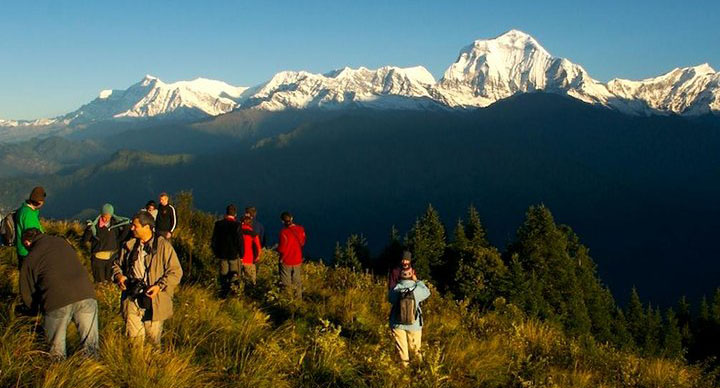
- Panoramic views of Mount Everest, Lhotse, Nuptse, and Ama Dablam
- Scenic flight to and from Lukla
- Explore the vibrant Sherpa town of Namche Bazaar
- Visit the famous Tengboche Monastery
- Trek through Sagarmatha National Park
- Experience authentic Sherpa culture and hospitality
- Cross iconic suspension bridges over the Dudh Koshi River
- Enjoy comfortable tea house accommodations along the route
- Witness breathtaking Himalayan sunrises and sunsets
- Visit traditional Sherpa villages and settlements
- Safe and well-paced trekking suitable for families
- Opportunity to spot Himalayan wildlife and unique mountain flora
- Create unforgettable family memories in the Everest region.
Overview
Everest Is Not Only for the Young and Extreme
When people hear about the Everest Base Camp Trek, they often imagine strong ones or young adventure seekers pushing their limits. Many believe this journey is only for experienced or physically intense people. But the reality is far away from that. Everest is for everyone who dreams for it.
Everest Base Camp is not only for the young. It is a journey that even seniors and children can complete safely with proper preparation and smart planning.
We can see grandparents proudly reaching the base of the world’s tallest mountain while walking beside their grandchildren. We have also witnessed families celebrating achievements together on Everest trails. These moments turn trekking into something deeper than adventure. It becomes a life story. It becomes a bonding experience. It becomes a personal achievement shared across generations.
This guide helps seniors and families with kids understand how to safely, comfortably, and successfully complete the Everest Base Camp Trek.
Everest Base Camp Trek Overview
The Everest Base Camp Trek is one of the most famous and loved trekking in the world. It lies in Khumbu region of Nepal and takes you deep into the heart of the Himalayas.
The trek leads to Everest Base Camp, which sits at an altitude of 5,364 meters (17,598 feet). The journey usually begins with a scenic mountain flight from Kathmandu to Lukla. This flight itself feels like the start of a grand adventure.
From Lukla, the trail passes through beautiful Sherpa villages, lush forests, suspension bridges, glacial rivers, and dramatic mountain landscapes. Villages like Namche Bazaar, Tengboche, Dingboche, and Gorakshep become stepping stones toward Everest Base Camp.
For seniors and children, the trek becomes more comfortable when we walk slowly and follow proper acclimatization schedules. The Himalayas reward patience.
Can Seniors and Kids Really Complete the Trek?
Yes, they absolutely can.
Age alone does not decides the success of any trek. Fitness level, preparation, and mindset are the things that matter much more. Many trekkers in their 60s and 70s have completed Everest Base Camp successfully. At the same time, children above 8 to 10 years have also reached the destination with proper support. But, some youths aren’t able to.
We often notice that seniors bring strong determination and patience to the trail. Children bring energy and curiosity. When families walk together, these strengths balance each other naturally.
The most important factors include:
- Good physical preparation
- Strong mental readiness
- Professional trekking guides
- A flexible and slow itinerary
- Awareness about altitude
When families follow these basic things, the trek becomes safe and enjoyable.
Why Everest Base Camp Trek Is Perfect for Families
Modern life keeps families busy. Everyone lives around screens, schedules, and responsibilities. Trekking to Everest Base Camp changes that environment completely.
On the trail, conversations become longer. Laughter becomes louder. Small achievements feel meaningful. Families share challenges and celebrate progress together.
Children learn resilience, patience, and appreciation for nature. Seniors rediscover adventure and confidence. Parents feel proud watching their family overcome obstacles together.
Walking through villages filled with prayer flags and ancient monasteries creates memories that last for decades.
Understanding Trek Difficulty for Seniors and Kids
The Everest Base Camp Trek is considered moderately difficult. It does not require technical climbing or mountaineering skills. However, it involves walking several hours daily at high altitude.
We trekkers usually walk between 4 and 7 hours per day. Trails include gradual uphill sections, rocky paths, glacier routes, and suspension bridges.
For children and seniors, altitude becomes the biggest challenge rather than distance. Oxygen levels decrease as we climb higher. That is why slow walking and proper rest days become extremely important.
In Himalayan trekking, slow progress is smart progress.
Best Trek Duration for Families and Seniors
The standard Everest Base Camp itinerary takes around 12 to 14 days. However, seniors and children benefit greatly from longer schedules.
A 14 to 16-day itinerary allows the body to adjust gradually to altitude. It reduces exhaustion and lowers the risk of altitude sickness. It also gives families more time to enjoy cultural experiences along the trail.
Rushing in the mountains often creates health problems. Walking at a relaxed pace improves safety and enjoyment.
Best Season for Everest Base Camp Trek
Choosing the right season plays a major role in trekking comfort and safety. Specially for the seniors and children it matter the most to be safe.
Spring Season (March to May)
Spring offers stable weather and moderate temperatures. The trails become colorful as rhododendron forests bloom across the hills. Mountain views remain clear, making photography and sightseeing extremely rewarding.
Autumn Season (September to November)
Autumn remains the most popular trekking season. The skies stay clear, rainfall is low, and the air feels crisp and fresh. Himalayan peaks appear sharp and breathtaking during this period.
Seasons Families Should Avoid
Winter brings extremely cold temperatures. These conditions can become uncomfortable for seniors and children. The monsoon season creates slippery trails and frequent flight delays due to heavy rainfall. Also, leeches are major problems, the views aren’t also clear most of the time.
Physical Preparation Before Trekking
Preparation for Seniors
Seniors should start preparation at least two to three months before the trek. Regular walking, light hiking, yoga, and breathing exercises help improve stamina and lung capacity.
Medical checkups are very important. Doctors can confirm whether heart, lung, or blood pressure conditions are stable for high-altitude trekking.
Preparation for Kids
Children do not require heavy training. However, they should stay physically active. Hiking, cycling, sports, or outdoor games help build endurance naturally.
Mental preparation is equally important. Children should understand that mountain facilities are simple and trekking days can be long.
Accommodation Experience on the Trail
We can get accommodation during the Everest Base Camp Trek mainly in teahouses or mountain lodges.
These lodges provide simple but comfortable rooms with beds, mattresses, blankets, and pillows. Dining areas remain warm and welcoming. Trekkers gather there in the evening to eat, relax, and share stories.
Lower altitude lodges sometimes offer attached bathrooms. Higher altitude lodges usually provide shared bathrooms.
Families with seniors often choose upgraded lodges when available. These provide better insulation, comfort, and privacy.
Food and Nutrition During the Trek
We mostly worry about food availability in remote mountain regions. Fortunately, Everest Base Camp offers a wide variety of nutritious meals. You can experience different dishes which are fresh, local and very yummy!
Popular trekking meals include:
- Dal Bhat (rice, lentils, vegetables, pickles)
- Vegetable noodles and pasta
- Soup and bread
- Pancakes and porridge
- Eggs and potato dishes
- Fried rice and momos
- Tea, coffee, and hot chocolate
Dal Bhat remains the most recommended meal. It provides balanced nutrition and unlimited refills in many lodges. It keeps trekkers energized for long walking days.
Children often enjoy pancakes, pasta, and hot chocolate. These familiar foods make trekking more comfortable and enjoyable for them.
Understanding Altitude Sickness
Altitude sickness is the most important health concern during Everest Base Camp Trek. It can affect anyone regardless of age or fitness level.
Common Symptoms of Altitude Sickness
- Persistent headache
- Dizziness or lightheadedness
- Nausea or vomiting
- Loss of appetite
- Extreme fatigue or unusual weakness
- Difficulty sleeping (insomnia)
- Shortness of breath, even during rest
- Confusion or difficulty walking (serious symptom)
- Chest tightness or severe breathing problems (medical emergency)
Preventive Measures
- Trek slowly and maintain a steady walking pace
- Follow proper acclimatization schedule with rest days
- Drink 3–4 liters of water daily to stay hydrated
- Eat nutritious and energy-rich meals
- Avoid alcohol and smoking during the trek
- Take regular rest breaks while walking
- Dress properly in layered warm clothing
- Listen to your body and inform guides if symptoms appear
- Consider altitude prevention medication after consulting a doctor
Special Safety Tips for Seniors and Kids
- Monitor symptoms more carefully as they may not express discomfort clearly
- Maintain slower trekking pace
- Ensure proper hydration and regular meals
- Allow extra rest time during trekking days
Emergency Safety
- Descend immediately if symptoms become severe
- Inform guide or trekking leader without delay
- Helicopter evacuation services are available in emergencies
- Travel insurance covering high-altitude evacuation is highly recommended
Why Professional Guides and Porters Are Essential
Hiring experienced trekking guides improves safety and comfort for family trekking. Guides monitor health conditions, control trekking pace, and manage emergency situations.
They also share valuable knowledge about local culture, environment, and mountain history with us. This adds educational value to the journey, especially for children.
Porters carry heavy backpacks. This support reduces physical stress for seniors and allows children to walk comfortably. Light backpacks make trekking much more enjoyable.
Family-Friendly Everest Base Camp Itinerary
Day 1: Fly to Lukla and Trek to Phakding
Day 2: Trek to Namche Bazaar
Day 3: Acclimatization Day at Namche
Day 4: Trek to Tengboche
Day 5: Trek to Dingboche
Day 6: Acclimatization Day at Dingboche
Day 7: Trek to Lobuche
Day 8: Trek to Gorakshep and Visit Everest Base Camp
Day 9: Sunrise Hike to Kala Patthar and Trek to Pheriche
Remaining Days: Return to Lukla
Cultural and Educational Value for Children
The Everest region offers rich cultural learning opportunities. Children can observe Sherpa traditions, Buddhist monasteries, prayer rituals, and Himalayan farming techniques. We can see the diversity in the culture and people from places to place.
You will be able to do cultural exchange with the sherpa people there.These experiences build cultural respect and environmental awareness. Trekking becomes a real-life classroom where children learn through observation and experience. A different way of living can be experienced by us.
Packing Tips for Families
Proper packing improves comfort and safety. Seniors benefit from good packing providing them support. The major gears are:
- trekking poles,
- knee support,
- warm layered clothing,
- comfortable boots, and
- personal medications.
Children should carry extra snacks, warm jackets, entertainment items, and comfortable trekking shoes. Layered clothing remains essential because mountain weather changes quickly.
Travel Insurance and Emergency Planning
Travel insurance is mandatory for Everest Base Camp Trek. Insurance should cover high-altitude trekking, medical emergencies, helicopter evacuation, and trip cancellations.
Helicopter evacuation remains available in emergency situations. Having insurance provides safety and peace of mind for families. If you don’t have a insurance, if any incident occurs it might create a problem for you.
Challenges Families Should Expect
Everest Base Camp Trek is rewarding but challenging. Accommodation becomes simpler at higher altitude. Internet connectivity remains limited. Weather conditions can sometimes delay flights.
Cold temperatures and long walking days require mental preparation. However, overcoming these challenges often strengthens family relationships and builds confidence.
Emotional Rewards of Trekking Together
Families who complete Everest Base Camp Trek often describe it as life-changing. Supporting each other during difficult moments creates strong emotional bonds.
Children gain independence and confidence. Seniors rediscover adventure and personal strength. Families return home with shared stories that remain meaningful forever.
Conclusion: Everest Is a Journey for Every Generation
The Everest Base Camp Trek is not simply about reaching a location. It is about discovering strength, building family connections, and experiencing nature at its most powerful and peaceful form.
With proper preparation, experienced guides, slow trekking pace, and health awareness, seniors and children can safely complete this iconic Himalayan adventure.
Everest teaches patience. Everest builds resilience. Most importantly, Everest reminds us that adventure has no age limit.
Whether you walk as a grandparent, parent, or child, the Everest Base Camp Trek becomes a shared journey of courage, connection, and unforgettable memories.
Detailed Itinerary
Inclusions
What's included?
- Airport pick-up and drop-off transfers
- Domestic flights (Kathmandu–Lukla–Kathmandu/Ramechhap–Lukla–Ramechhap)
- Hotel accommodation in Kathmandu (as per itinerary)
- Tea house/lodge accommodation during the trek
- Full board meals during the trek (Breakfast, Lunch, and Dinner)
- Licensed English-speaking trekking guide
- Porter service for luggage carrying
- Guide and porter salary, meals, accommodation, insurance, and allowances
- Sagarmatha National Park Entry Permit
- Khumbu Pasang Lhamu Rural Municipality Permit
- Government taxes and service charges
- Basic first-aid kit
- Sleeping bag and duffel bag (if provided by the company)
- Trek completion certificate
What's not included?
- Nepal entry visa fee
- International airfare
- Travel and medical insurance
- Personal trekking gear and equipment
- Lunch and dinner in Kathmandu (unless specified)
- Hot showers, Wi-Fi, battery charging, and laundry services during the trek
- Soft drinks, bottled water, alcoholic beverages, and snacks
- Personal expenses and shopping
- Tips for guides, porters, and drivers
- Emergency evacuation and rescue expenses
- Costs arising from flight delays, cancellations, or unforeseen circumstances
- Additional accommodation due to early return or itinerary changes
- Any services not specifically listed under "Cost Includes" section.
Equipment (Essential Gears)
Trip Map
FAQs
What are the most common symptoms of altitude sickness during the trek?
- Headache, dizziness, nausea, fatigue, insomnia, shortness of breath. Severe symptoms include confusion, difficulty walking, and chest tightness. Early detection is key.
How can altitude sickness be prevented for seniors and children?
- Trek slowly, follow acclimatization schedules, stay hydrated (3–4 liters/day), eat balanced meals, avoid alcohol and smoking, rest frequently, dress in layers, and consider doctor-approved medication if needed.
Are there emergency medical facilities along the Everest Base Camp route?
- Basic medical clinics are available in Namche Bazaar, Dingboche, and other villages. Severe cases require descent or helicopter evacuation. Travel insurance covering high-altitude emergencies is strongly recommended.
How can families maintain energy and nutrition on the trek?
- Eat traditional meals like Dal Bhat (rice, lentils, vegetables), noodles, pasta, soups, eggs, potatoes, and snacks. Children often prefer pancakes, pasta, and hot chocolate. Frequent small meals help maintain energy.
How important is hiring a guide and porter for family trekking?
- Extremely important. Guides monitor health, manage pace, handle emergencies, and provide cultural insights. Porters carry heavy luggage, making trekking safer and more enjoyable for seniors and kids.
How should seniors and children prepare physically before the trek?
- Seniors: walking, light hiking, yoga, cardio exercises for 2–3 months; medical checkups recommended.
- Children: regular outdoor activities like hiking, cycling, and sports; mental preparation for simple mountain conditions and long walking days.
Are there cultural or educational opportunities for children on the trek?
- Yes. Children experience Sherpa culture, visit monasteries, see prayer rituals, and observe Himalayan farming. This encourages cultural respect, environmental awareness, and learning beyond textbooks.
What clothing and gear are essential for seniors and kids?
- Trekking boots, layered warm clothing, hats, gloves, trekking poles, knee support (for seniors), backpacks, water bottles, snacks, and small entertainment items for children.
What challenges should families expect on Everest Base Camp Trek?
- Cold temperatures, basic accommodation at high altitudes, limited internet, long walking hours, occasional flight delays, and altitude sickness risk. Proper planning and preparation help overcome these challenges safely.
How can families ensure the trek is comfortable and enjoyable?
- Maintain a slow pace, plan rest and acclimatization days, stay hydrated, eat well, use guides and porters, dress in layers, and monitor health continuously.
Is it possible to customize the itinerary for seniors and kids?
- Absolutely. Slower itineraries, extra rest days, and flexible daily distances can be planned. This allows safe, enjoyable trekking without rushing.