Highlights
- The scenic view of the Himalayas and valleys.
- Engagement with the Sherpa community.
- Discovering the well-known Tengboche Monastery.
- Investigate the most captivating and beautiful vistas.
- Hike to Khumjung Village and the monastery famous for the Yeti scalp.
- The stunning sight of Everest from various locations.
Overview
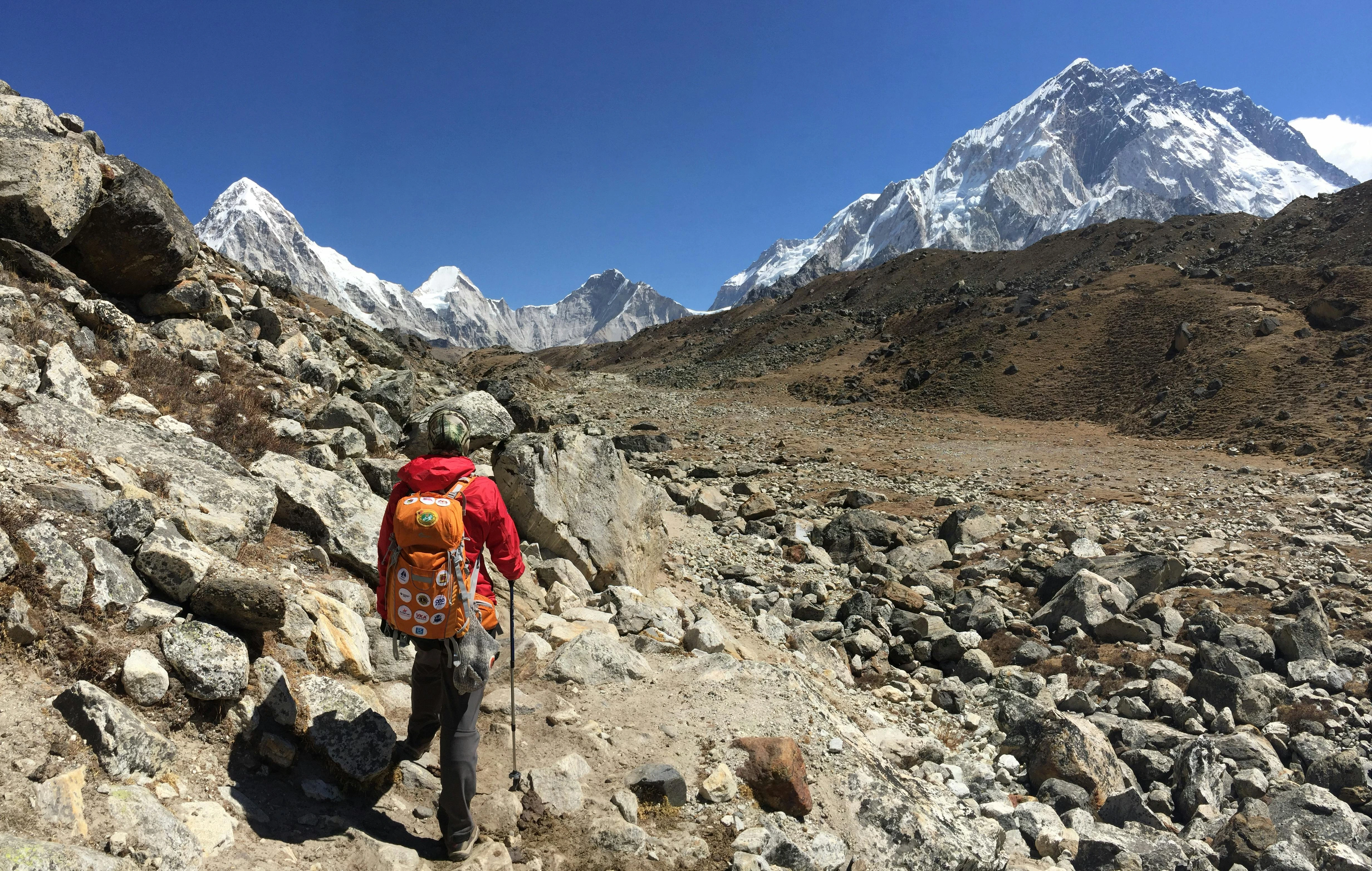
One of the Everest region’s most remarkable and short treks is the Everest Panorama trek. The Everest panorama trek, also referred to as the Everest View Trek, is brief yet offers complete enjoyment and recreation. This trek provides not only magnificent views of nature and the Himalayas but also a chance to connect with the locals and experience their culture. Along the Everest View Trek, you can find numerous monasteries, mani walls, and prayer wheels. Visit View Nepal Treks offers insights and allows you to partake in a once-in-a-lifetime trek in the 9-day exploration of this beautiful and mystical area situated at the foot of the world’s highest peak, Mt. Everest.
The Everest Panorama Trek commences at Tenzing-Hillary Airport in Lukla, which is also known as Lukla Airport. Lukla serves as the gateway for trekkers to the Khumbu region, where nearly all the Everest trekking paths begin. Subsequently, the trek will proceed towards steep hills, minor rivers, streams, and glaciers. The Everest Panorama trek showcases the natural diversity of Nepal, drawing thousands of visitors every year.
Upon reaching Jorsalle, you will continue your trek along the banks of the Dudh Koshi River and enter the Sagarmatha National Park. Sagarmatha National Park is one of the most abundant habitats supporting a variety of flora and fauna. The animals such as musk deer, Himalayan Tahr, bears, red panda, and snow leopard are the most safeguarded fauna within the UNESCO World Heritage Site.
Alongside numerous adventures, there are plenty of recreational activities on the Everest Panorama trek. Various suspension bridges and diverse landscapes provide stunning views of natural scenery and the Himalayas. The path will lead to Namche Bazaar, known as the trading hub of the Khumbu region.
We will gradually ascend to Khumjung Village, one of the highest inhabited areas in the world. Khumjung monastery has kept a half football-shaped scalp, which is claimed to be that of the Yeti. The monastery permits visitors to view the Yeti scalp for a small fee of a few hundred Nepali Rupees.
The trail will continue onward through a rocky path to Tengboche. You will have a partial view of the mountains Everest, Nuptse, and Lhotse. Tengboche attracts thousands of visitors daily and provides recreational opportunities for tourists. The Tengboche monastery, established in 1923 AD, is the largest monastery in the Khumbu region.
You will descend the hill from Tengboche to Monjo. Monjo is a lovely village that is situated just north of Phakding. Monjo serves as an alternative resting point to Phakding and is the primary stop on our Everest Panorama Trek itinerary. The culturally significant Monjo village has numerous lodges and guesthouses designed to reflect the ancient and modern cultures of the Khumbu region.
You will trek back down the hill to Lukla after spending a night in Monjo. The journey to Lukla from the Everest Panorama trek will provide you with abundant positive energy, willpower, and confidence for your future endeavors. The Everest View trek is filled with enjoyment and value, offering many experiences all within the same trek.
Major Attractions of the Trek
Lukla
Lukla is a small town that serves as the starting point for the Everest trekking routes. The main access point to Lukla is Tenzing Hillary Airport. The people and atmosphere of Lukla are welcoming to tourists, and the views from this location are quite stunning, marking the beginning of the entire array of beauty and nature.
Namche Bazaar
Namche Bazaar is the trading capital and an important tourist stop in the Khumbu Region. It is one of the most prominent tourism hubs not only on the Everest Panorama trek route but throughout the entire Khumbu region. Namche Bazar has a lot to offer for tourists and traders from the north to explore and widen their experiences with a broad selection of markets and options. Namche Bazar includes three museums that exhibit the ancient Sherpa culture and traditions. Every tourist is welcome to visit these museums for additional knowledge and exploration.
Namche holds one of the most renowned trading markets, the Saturday market. At the Saturday market, you can find both ancient and modern goods according to your preferences and needs at lower prices than usual. The Saturday Market is primarily operated by Tibetan traders who travel south of the border to exchange Tibetan goods and services for those from the lower hills and even the Terai region of Nepal.
Khumjung
Khumjung is a small village located at an altitude of 3,790 meters above sea level, making it one of the highest settlements in the world. This village lies within Sagarmatha National Park and is one of the essential sites to visit during the Everest Panorama trek region. The main attraction of Khumjung village is the Khumjung monastery, where the Yeti scalp is preserved in a cabinet for viewing. Tourists can catch a glimpse of this scalp, which resembles a half football, in limited quantities at the monastery.
In addition, Khumjung village is well-known for the schools and hospitals established by Sir Edmund Hillary and supported by the Hillary foundation. These represent some of the good deeds accomplished by Sir Edmund Hillary back in 1960.
Views during the Everest Panorama Trek
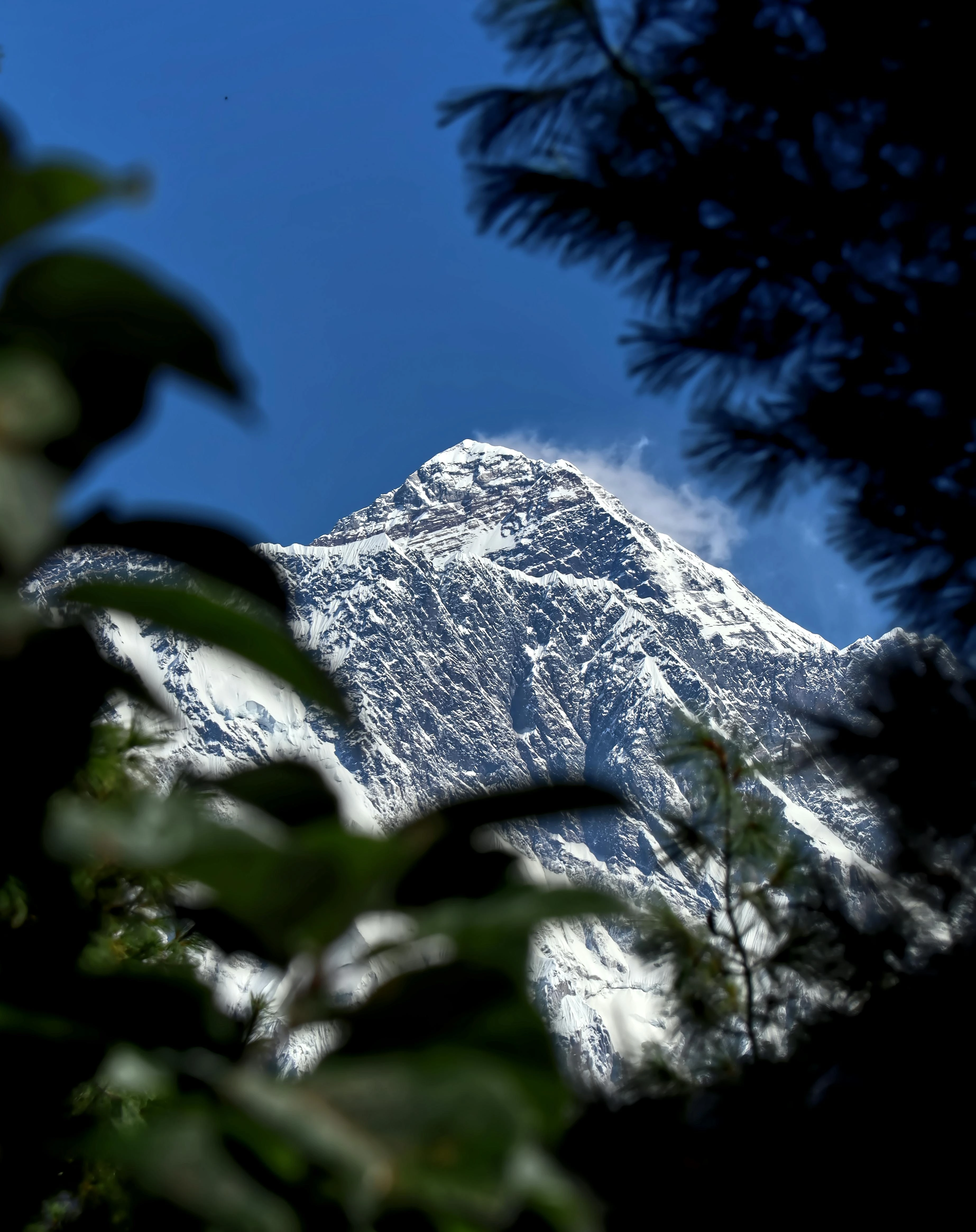
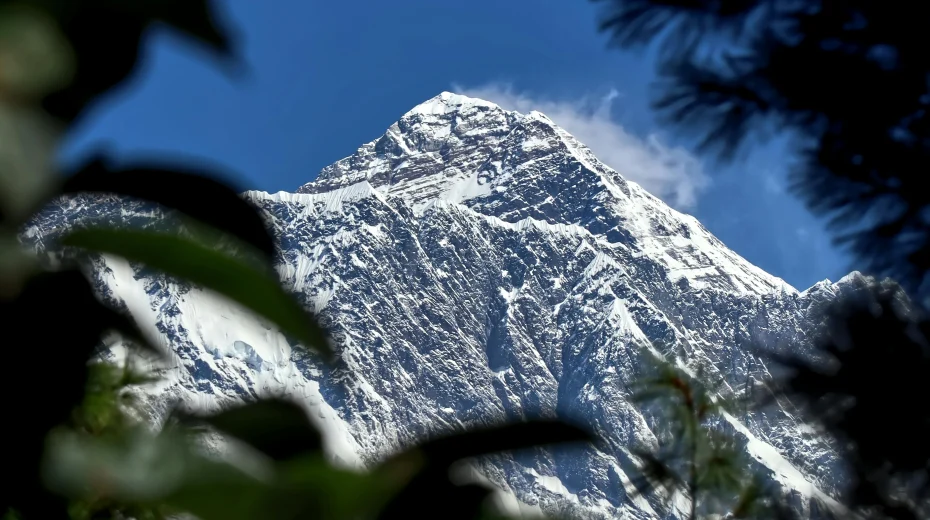
The Everest Panorama trek provides the finest views of the Himalayas. This trek focused on Everest offers a sweeping scenic outlook of Everest. Visitors will experience some of the most stunning sights of Everest, Lhotse, and Cho Oyu, which will bring satisfaction as well as moments of tranquility amidst tiredness. You will view the picturesque landscape to the south and the Himalayan range to the north under favorable weather conditions. We suggest selecting the best seasons and weather for this trek to fully enjoy the 9-day Everest Panorama trek.
Outline Itinerary
Day 1: Arrival in Kathmandu (1400m | 4593ft.)
Day 2: Morning Scenic flight to Lukla (2840m | 9316ft. ) and trek to Phakding (2610m | 8563ft. )
Day 3: early morning Trek to Namche Bazaar (3440m | 11283ft. ) – 10. 6km, 5-6 hours
Day 4: Trek to Khumjung (3780m | 12401ft. ) – 3-4 hours via Everest View Hotel
Day 5: Trek to Tengboche (3860m | 12660ft. ) – 8km, 5-6 hours
Day 6: Tengboche to Monjo (2835m | 9301ft. ) – 16km, 6-7 hours
Day 7: Monjo to Lukla (2840m | 9316ft. ) – 13km, 6 hours
Day 8: Flight back to Kathmandu (1400m | 4593ft. ) – 35-minute flight
Day 9: Final Departure
This itinerary balances hiking, cultural experiences, and acclimatization, ensuring a safe and enjoyable experience through the Everest region.
Everest Panorama Trek Difficulty
You should be prepared to walk for 6-8 hours daily with proper acclimatization on a usual day. The path is rough and strewn with hard rocks. If you are in good physical and mental shape, the Everest Panorama Trek is manageable and will not pose significant challenges or risks of injury. Since you will not be trekking to higher altitudes, there is minimal risk of altitude sickness.
Best Time for Trek
Weather plays a significant role in shaping your trekking experience. It is essential to select the appropriate season and weather conditions to attain the best experience. In Nepal, Spring (March-May) and Autumn (September-November) are regarded as the optimal seasons for tourism. Visiting the Everest Panorama Trek during these times will enhance your travel experience.
Spring Season
The spring season is one of the best seasons to trek to Everest Panorama trek. The weather starts to warm up with a clear view of the panoramic Himalayas. The temperature can go up to 18 degrees Celsius and can be as low as 0 to negative degrees at worst. The greenery starts to bloom after the gloomy winter and provides aesthetic views.
Autumn season
Autumn is another great season for trekking in the Everest Panorama Trekking area. As this period coincides with the festive season in Nepal, the number of travelers rises during this time due to holidays for the Nepalese. Domestic tourists can also be spotted along the trail. The significant festival Mani Rimdu takes place in this season, allowing you to participate in the festivities and share meals with the locals. Expect clear weather and ideal temperatures for sightseeing and trekking, making this the best season for trekking in the area.
Travel tips for Everest Panorama Trek
There will not be any ATMs beyond Namche Bazar, so ensure that you carry sufficient cash for your expenses for the duration of your trek, aside from what’s included in your package.
The quality of the internet connection while trekking is poor, and it typically worsens as the elevation increases. Therefore, prepare to be offline for several days. Instead of paying a few hundred for guesthouse Wi-Fi, consider purchasing data packages valid for multiple days.
Tipping is not included in the package, so you should set aside some money for gratuities. Tipping is essential to acknowledge the hard work of your guide and porters.
Everest Panorama Trek Permit Cost
Khumbu Pasang Lhamu Rural Municipality Entrance Permit price: NPR 2000 per person
Sagarmatha National Park Entry Permit price: NPR 3000 per person
Accommodation during the Trek
Accommodation while on the Everest Panorama Trek will feature the best possible lodging. You will have a comfortable and well-equipped room just for you. The services provided will be satisfactory, including hot showers and massage facilities available at some hotels during the trek. You can expect amenities based on the hotel you select, which may influence the overall trip cost.
Food during the Trek
An open menu will be available with a broad range of options for your meal preferences. We have ensured the best quality food that caters to your health and nutritional needs while trekking. You will have vegetarian and even vegan options available and can easily avoid any food items or ingredients to which you have allergies or restrictions.
Last Minute Booking
For your convenience, Visit View Nepal Treks offers both last-minute and advance booking options. You can book your travel at least 48 hours prior to the trek departure time. You are welcome to schedule your pre-trip at a time that works best for you.
What makes Visit View Nepal Treks Unique?
Visit View Nepal Treks employs trekking professionals with over two decades of experience in the Nepalese tourism industry to assist tourists throughout their journey most effectively and efficiently. Travelers can receive as much information and guidance from their guides as needed throughout the trip. Visit View Nepal Treks is always ready to help you in every possible way regarding your travel plans.
The bookings for the Everest Panorama Trek for 2026 are now open. We have developed our 9-day Everest Panorama Trek as a family-friendly journey.
Visit View Nepal Treks will coordinate your Everest View Trek with appropriate guidance and support at your convenience. You may contact out to us via email or in WhatsApp.
Detailed Itinerary
Day 1: Arrival in Kathmandu (1400m | 4593ft.)
Day 2: Morning Scenic flight to Lukla (2840m | 9316ft. ) and trek to Phakding (2610m | 8563ft. )
Day 3: early morning Trek to Namche Bazaar (3440m | 11283ft. ) – 10. 6km, 5-6 hours
Day 4: Trek to Khumjung (3780m | 12401ft. ) – 3-4 hours via Everest View Hotel
Day 5: Trek to Tengboche (3860m | 12660ft. ) – 8km, 5-6 hours
Day 6: Tengboche to Monjo (2835m | 9301ft. ) – 16km, 6-7 hours
Day 7: Monjo to Lukla (2840m | 9316ft. ) – 13km, 6 hours
Day 8: Flight back to Kathmandu (1400m | 4593ft. ) – 35-minute flight
Day 9: Final Departure
Inclusions
What's included?
- Three meals a day (Breakfast, Lunch and Dinner) including a cup of tea/coffee.
- Fresh fruit every evening after the dinner.
- Trekking Lodge (Tea House) accommodations throughout the trek.
- Sagarmatha National Park Entry Permit & Khumbu Pashang Lhamu Rural Municipality fees
- Kathmandu-Lukla-Kathmandu flight including airport transfer. (High season flight to and from Lukla are operated from Ramechhap airport which is 4-5 hours east of Kathmandu)
- A highly experience, helpful, knowledgeable, friendly , English speaking well trained, Government License holder guide with all his salary, food, drinks, accommodation, transport and insurance.
- Strong, helpful porters with proper safety equipment and walking equipment his salary, foods, accommodation and insurance (one porter for two people).
- Comprehensive medical supplies (first aid kit will be available).
- Arrangement of Emergency Helicopter service (paid by your Travel Insurance company).
- Visit View Nepal Treks T-shirt, cap and Duffel bag.
- Government taxes and official expenses.
- Everest base camp trekking map.
- Oximeter to check your pulse and oxygen saturation and heart rate twice daily (Very useful to check Altitude Mountain Sickness(AMS) symptoms) Which will ensure you trek is in the safest hands possible for all levels of trekker.
- Luggage storage available for items not needed during the trek.
- Assistant guide group size above 6+ person.
What's not included?
- Airport pick up and drop international flight.
- Your hotel and meals in Kathmandu before and after the trek.
- Nepal entry visa fee $30 USD for 15 days visa on arrival.
- International airfare.
- Travel and medical insurance (recommended).
- Your personal expenses.
- Use of sleeping bag, down Jacket and walking Poles (if you don’t have your own these can be rented, To be return after trip completed). Using these 3 items you pay $10 USD each as maintenance and washing charge.
- Alcoholic and non alcoholic cold and hot drinks.
- All desserts and sweet things like,chocolate, cake, pie and pudding. ( i.e. those you choose to purchase along the way and during evenings in the Tea Houses).
- Hot shower and battery charging during the trekking.
- Tips for the guide, porter and driver (Tipping is expected).
- Excess baggage more than 15kg for Lukla flight.
Equipment (Essential Gears)
Trip Map
FAQs
Q. 1) Is Everest Panorama Trek difficult?
The trail is uneven and filled with hard rocks, which can make it challenging to maintain a steady pace. However, if you condition yourself physically and mentally, the trek is manageable.
Q. 2) How long does it take to finish the trek?
Typically in favorable weather and for capable walkers, the Everest Panorama Trek is completed in about a week. However, taking into account beginners and potential weather challenges, this trek will conclude in 9 days, and we will adhere to the planned itinerary.
Q. 3) Is there a widely accessible communication service?
Ans: Telecommunication is widely available due to a thick population even in the elevated areas. Hotels, lodges, and guesthouses in lower regions will offer internet services at a certain cost of rupees. Once you ascend higher, you will need to depend on network coverage for communication.
Q. 4) What is the food like during the trek?
An open menu of options will be provided, including vegetarian and vegan selections. You can omit any ingredients you prefer not to consume and add additional ingredients if desired.
Q. 5) What is the Everest Panorama Trek, and how does it differ from the complete Everest Base Camp Trek?
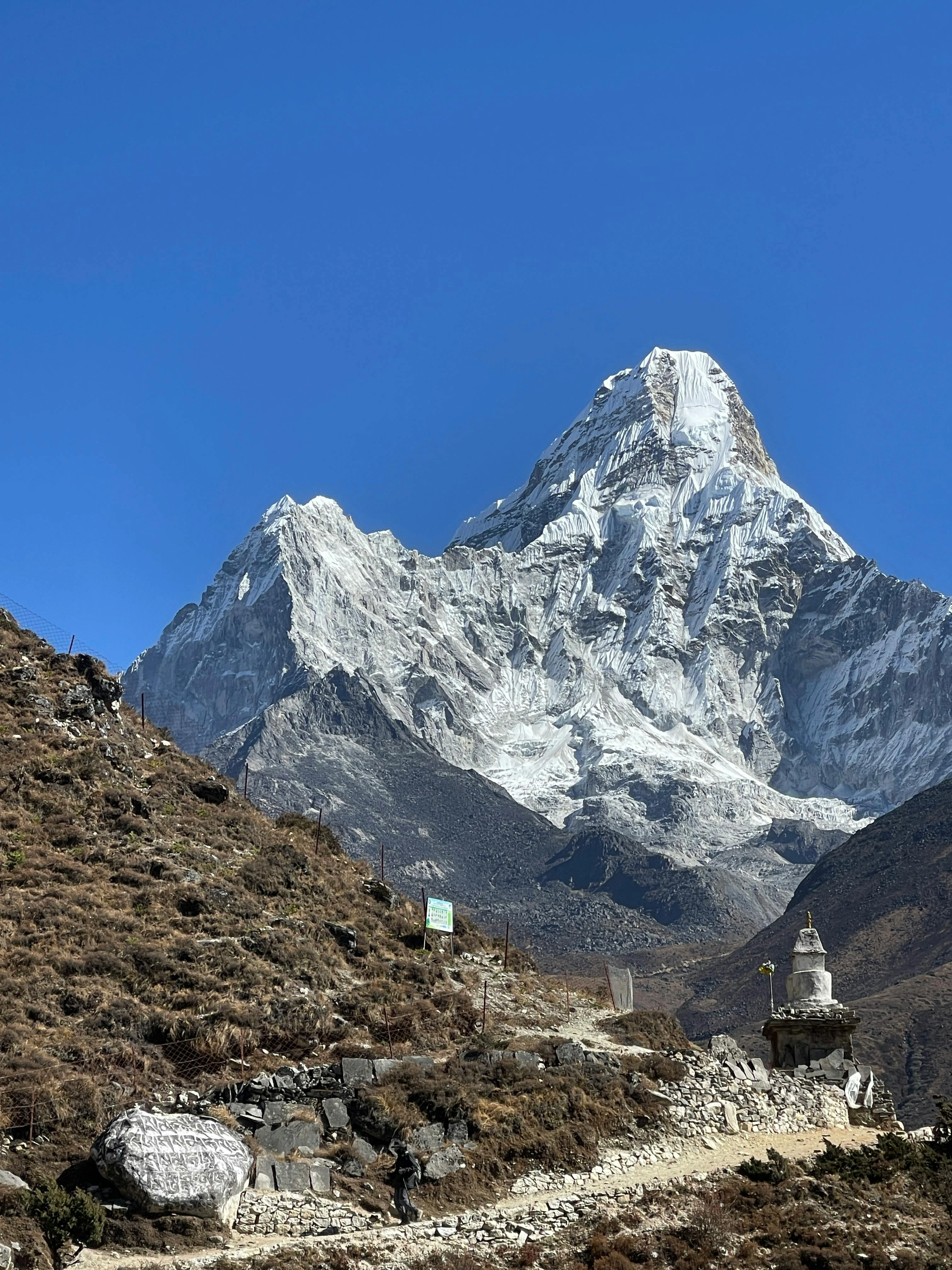
The Everest Panorama Trek is a shorter, less demanding trek meant for those who wish to experience the allure of the Everest region without undertaking the longer and more difficult Everest Base Camp Trek. It generally takes you to Tengboche Monastery (3,867 meters) and presents breathtaking views of Everest, Lhotse, Ama Dablam, and other Himalayan peaks.
Q. 6) How much difficult is the Everest Panorama Trek?
The trek is categorized as moderate in difficulty. It entails walking 5-6 hours daily on well-marked trails with some ascents and descents. It is appropriate for newcomers and individuals with a fair level of fitness.
Q. 7) What is the optimal time to undertake the Everest Panorama Trek?
The prime times for this trek are during the spring (March to May) and autumn (September to November) seasons. These months provide clear skies, stable weather, and superb visibility of the mountains. Winter (December to February) is also feasible but chillier, while the monsoon season (June to August) is less favorable due to rain and slick trails.
Q. 8) What permits are necessary for the Everest Panorama Trek?
You will require two permits:
- Sagarmatha National Park Entry Permit
- Khumbu Pasang Lhamu Rural Municipality Entrance Permit
These permits can be acquired in Kathmandu or at the Sagarmatha National Park entry point in Monjo.
Q. 9) What type of accommodation and food can I expect during the trek?
Accommodation will be in teahouses, which are basic lodges with shared facilities. Rooms usually have twin beds with blankets, but it’s advisable to carry a sleeping bag for added warmth. Food selections include Nepali meals such as dal bhat, as well as international options like pasta, noodles, and pancakes.
Q. 10) Do I need a guide or porter for the Everest Panorama Trek?
Although it is feasible to undertake the trek independently, hiring a guide is advisable for navigation, cultural understanding, and safety. A porter may also be beneficial to carry your luggage, allowing you to enjoy the trek more comfortably. Guides and porters can be organized in Kathmandu or Lukla.