Highlights
- Experience the Annapurna Circuit in a manner you’ve never experienced before during this lavish journey.
- Enjoy high-altitude trekking with luxurious amenities, featuring private en-suite rooms with attached washrooms.
- The perfect adventure trek for physically fit individuals.
- Comfortable four-wheeled transportation is provided to travel to and from the trailhead.
- Engage in a guided sightseeing tour in Kathmandu and Pokhara.
- Trek through verdant Himalayan foothills, spend evenings in delightful villages, and indulge in scrumptious organic meals,
- While traversing different elevations, appreciate the varied landscapes and stunning mountain vistas.
- Interact with diverse Nepali communities, observe their everyday life, and talk with them.
- Trek to the hidden Ice Lake during your acclimatization break in Manang village.
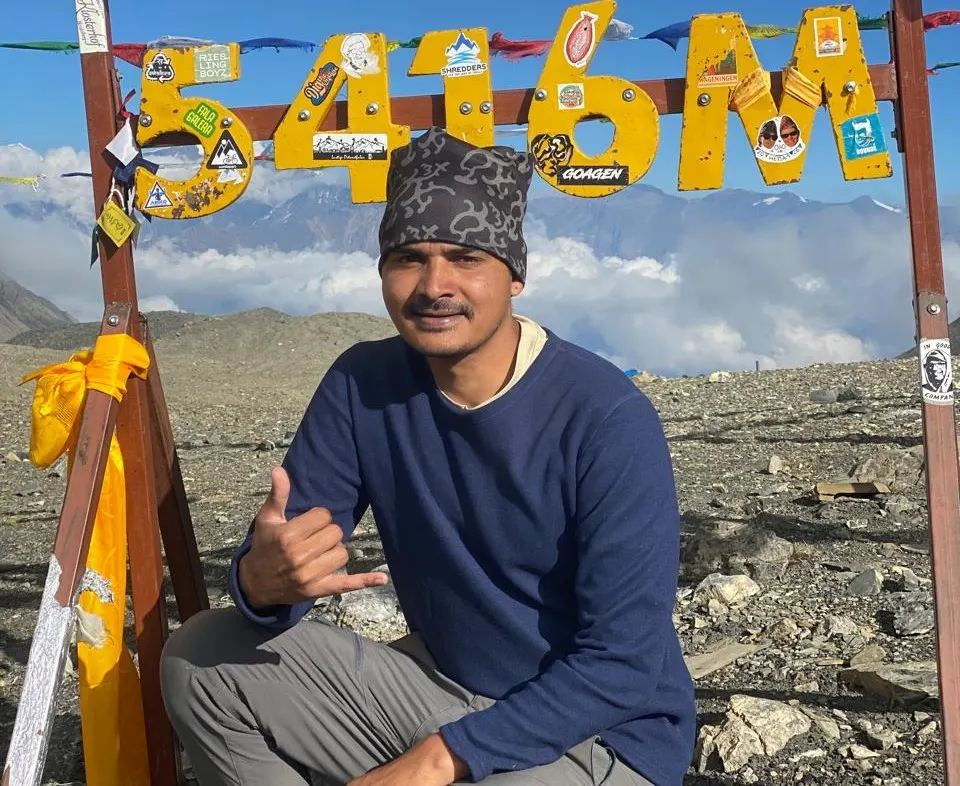
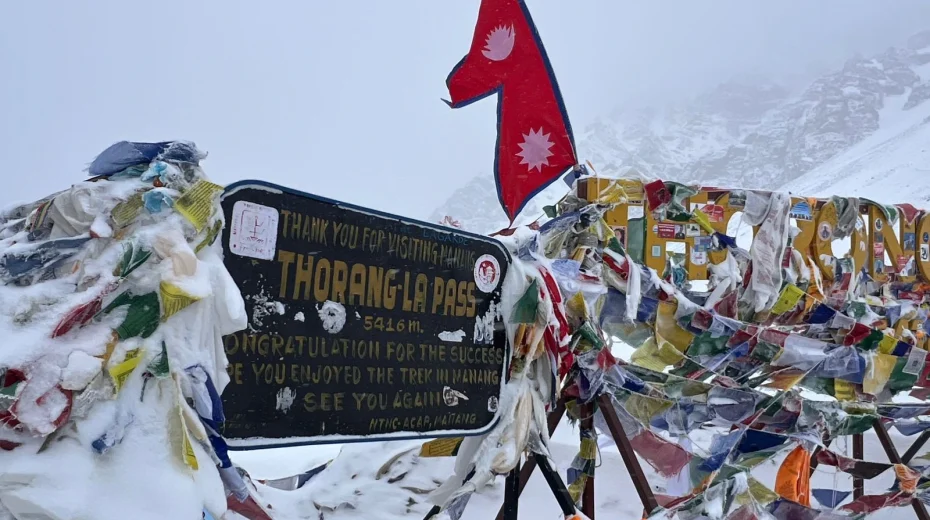
- Cross the challenging Thorong La Pass and receive a blessing at the Muktinath Temple.
- Stay overnight at the famous Ghorepani village and witness a breathtaking sunrise from Poon Hill.
Overview
While you may already be familiar with the Annapurna Circuit trek, the journey along the Annapurna Circuit is a wholly unique experience. This exclusive package is designed to provide travelers with increased comfort and a luxurious adventure along this less-traveled, remote path. Annapurna Circuit combined with luxury seems unbelievable, right? However, it is now completely achievable.
We have slightly adjusted the traditional itinerary and selected villages that feature comfortable lodges. There’s no need to worry; you will visit all the significant villages along this famous circuit trek, including Manang, Yak Kharka, Thorong Phedi, and Muktinath, and you will certainly conquer the demanding Thorong La Pass.
This trek lasts 13 days, during which trekkers will spend seven days trekking while the other days will be dedicated to traveling in a private four-wheeler and exploring Kathmandu and Pokhara. Our Annapurna Circuit trek over 13 days seamlessly blends adventure with relaxation.
The Annapurna Circuit trek offers a unique, once-in-a-lifetime experience. You will traverse lush Himalayan foothills, spend nights in charming villages, relish delicious organic meals, and enjoy awe-inspiring mountain views.
The Annapurna Circuit trek provides a journey through diverse landscapes. From vibrant rhododendron and pine forests to shrubs and rich pastures above the treeline, trekkers will encounter a rich and ever-changing scenery.
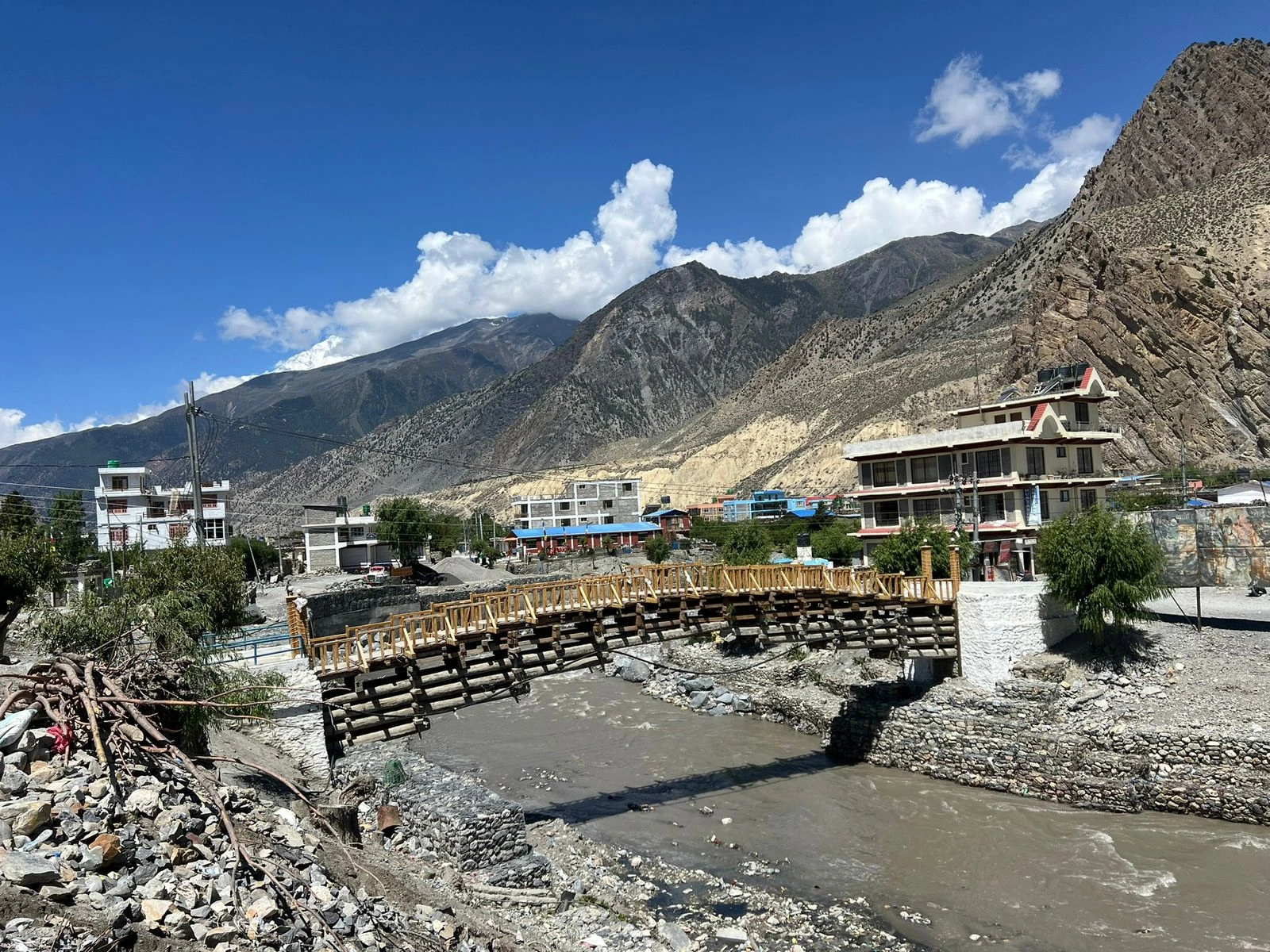
Along the way, there are many steep and narrow trails, numerous suspension bridges, and some wooden bridges. While the trek is filled with excitement, it also allows for deep cultural immersion. You will have the opportunity to engage with various communities and learn about their culture and lifestyle. It promises to be an unforgettable experience.
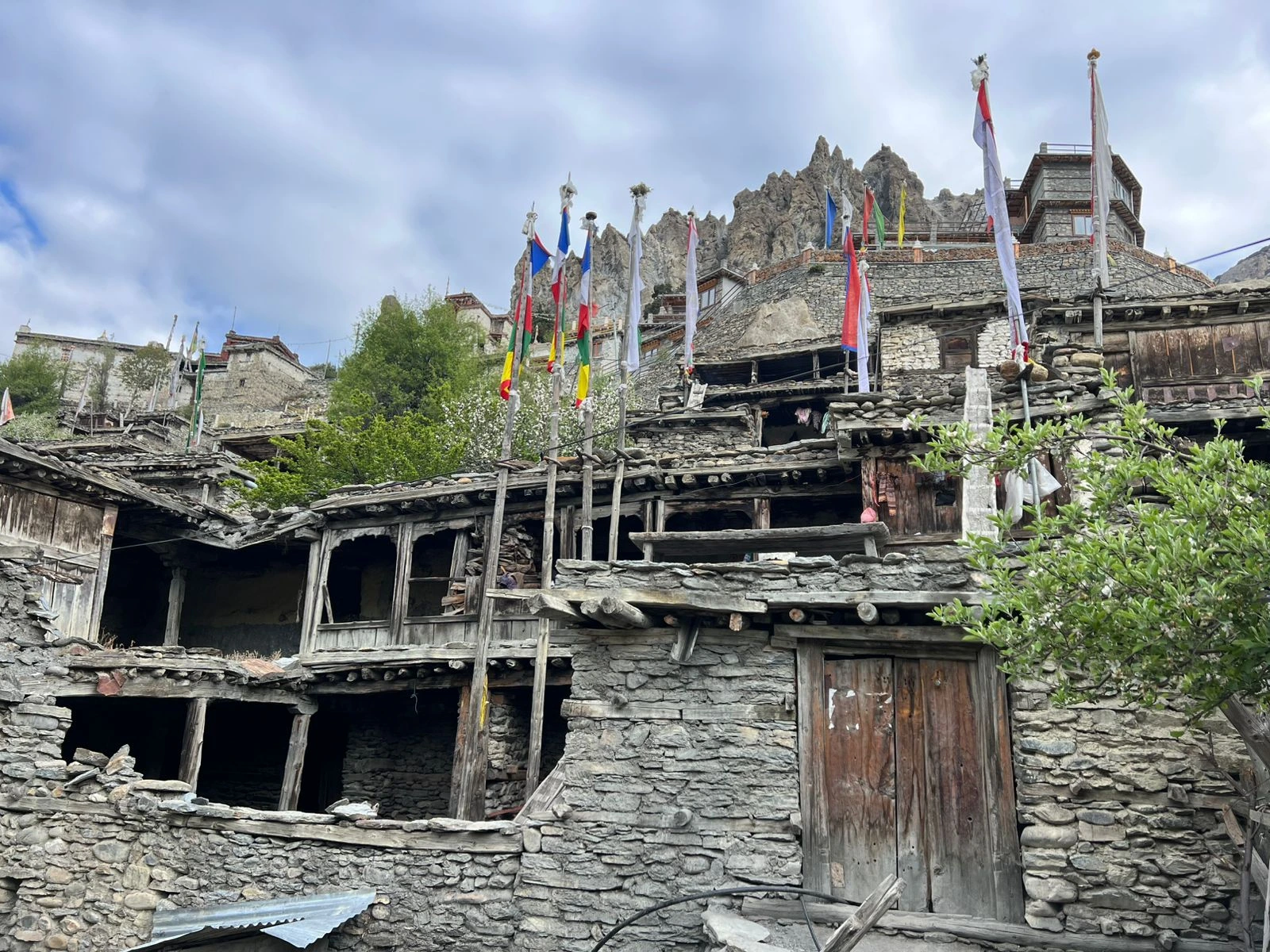
The trail is lined with temples, stupas, and prayer flags. Additionally, as the altitude rises, the scenery undergoes dramatic transformations. Views shift from lush valleys to arid landscapes to the trans-Himalayas.
Views during the Annapurna Circuit Trek
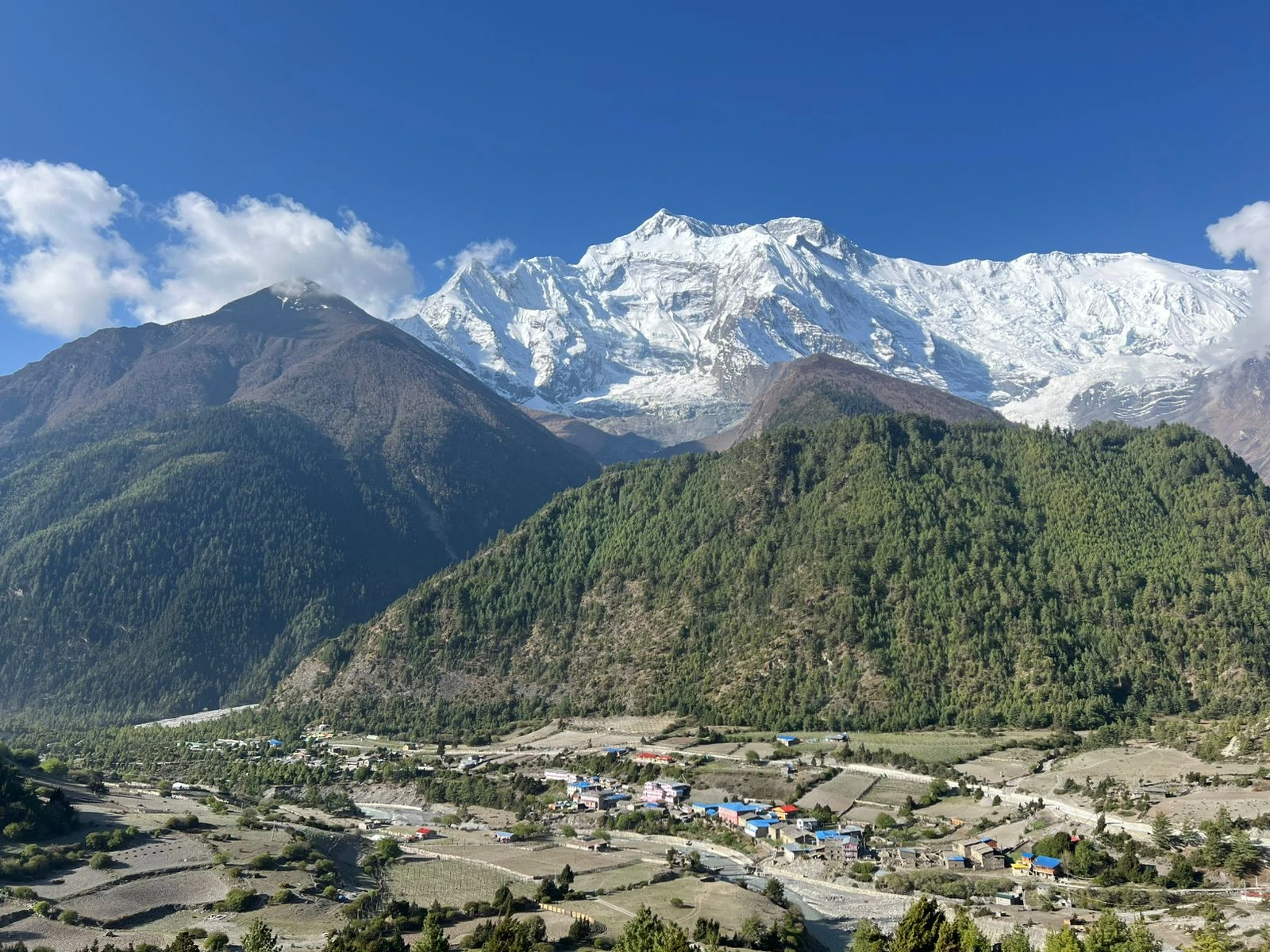
Mountains such as Fishtail (6993m. | 22943ft. ), Annapurna (8091m. | 26545ft. ), Dhaulagiri (8167m. | 26795ft. ), Nilgiri (7061m. | 23166ft. ), Hiunchuli (6441m. | 21132ft. ), Gangapurna (7455m. | 24459ft. ), Tukuche (6920m. | 22703ft. ), Tilicho Peak (7134m. | 23406ft. ), and many more are visible throughout the trek.
Outline Itinerary
Day 1: Drive from Kathmandu to Bhulbhule (845m | 2815ft. )
Day 2: Trek from Bhulbhule to Jagat (1300m | 4265ft. )
Day 3: Trek from Jagat to Dharapani (1860m | 6200ft. )
Day 4: Trek from Dharapani to Chame (2610m | 8890ft. )
Day 5: Trek from Chame to Upper Pisang (3300m | 10824ft. )
Day 6: Trek to Manang (3540m | 11612ft. ) via Nawal
Day 7: Manang Rest and Acclimatization Day
Day 8: Trek from Manang to Yak Kharka (4060m | 13316ft. )
Day 9: Trek from Yak Kharka to Phedi (4525m | 14842ft. )
Day 10: Trek to Muktinath via Thorong La Pass (5416m | 17769ft. )
Day 11: Drive from Muktinath to Tatopani (1190m | 3904ft. )
Day 12: Trek to Ghorepani from Tatopani (2874m | 9429ft. )
Day 13: Hike to Poon Hill, Trek to Birethanti, and Drive to Pokhara
Permits Required for Annapurna Circuit Trek
- The Annapurna Circuit trek requires the Annapurna Conservation Area Project (ACAP) permit and TIMS card. Foreign visitors are not allowed to enter the Annapurna region without these permits. Our package price includes the fees for these permits.
- Annapurna Conservation Area Project (ACAP) permit cost:
- NPR 1000 per person for SAARC nationals
- NPR 3,000 per person for other nationals
- Children under ten years do not require an ACAP permit
- TIMS Card permit cost:
- NPR 2,000 per person
- NPR 600 per person for SAARC nationals
Trek Difficulty and Preparation
The Annapurna Circuit trek poses challenges; however, approaching it in a certain way allows for a more manageable experience. Even beginner trekkers with sufficient physical and mental preparation can successfully complete this trek. The trek will span approximately 85 kilometers (53 miles).
You will need to walk around 5 to 6 hours daily. The trail along the Annapurna Circuit is rugged and steep. Daily climbs and descents demand adequate stamina, strength, and determination. You will also need to motivate yourself mentally.
Consequently, participants should be in good physical shape. Prior trekking experience will be quite advantageous. Crossing the Thorong La pass is the most strenuous segment of the Annapurna Circuit. By following your guide’s recommendations, you will be able to navigate the pass confidently.
Altitude Sickness During the Trek
During the Annapurna Circuit trek, you will rise from 760 meters to 5,416 meters. The elevation gain is significant on this trek.
As you gain altitude, the air grows thinner, and the oxygen levels slowly diminish, increasing the chances of altitude sickness. Therefore, acclimatization to the height during your ascent is vital for trekkers.
So, how can you acclimatize? One useful method is to add an acclimatization day to your itinerary. Our Annapurna Circuit trek itinerary includes an acclimatization day in Manang village.
You will set out on a hike to a higher altitude from this village and return to stay overnight. Trekking at higher altitudes and proceeding slowly will help you adjust to the environment.
Best Time to Undertake Annapurna Circuit Trek
The Annapurna Circuit trek is best undertaken during these months: March, April, May, late September, October, November, and early December. Of these, April and October provide the optimal weather and climatic conditions.
These months signify the peak trekking seasons in Nepal. Many trekkers embark on the Annapurna Circuit trek during these times, lending vibrancy to the trails. The mountain scenery is exceptional and awe-inspiring. The climate is moderate, which makes trekking exceedingly pleasant.
Similarly, the lower elevations are rich in greenery and rhododendrons. Waterfalls, rivers, and streams are at their finest. There is also an opportunity to witness some of the largest Nepali festivals during the peak trekking seasons.
Guide and Porter Service
You will undertake this trek accompanied by a local guide and porter who is familiar with the trail, locals, and area. Our guides are seasoned professionals with significant experience. They are trained to lead groups in the Himalayas, address any medical emergencies, and manage various remote survival challenges.
You will trek with a team that is trustworthy, reliable, and amiable. The porter will carry your duffel bag during the trek, allowing you to hike more comfortably and minimizing the risk of falls or injuries.
The combination of guide and porter allows for trekking the Annapurna Circuit with their expert support and attention. With the guide, you will enjoy the best accommodations and meals. He will recommend various local dishes to try and share stories and experiences.
Travel Insurance
To take part in the Annapurna Circuit trek, trekkers are required to obtain travel insurance that covers emergency helicopter evacuation and medical expenses. This is a crucial document that participants must present before the trek begins.
Without the insurance that includes the essential coverage, you will not be allowed to join the trek. Secure travel insurance in your home country, as it is unavailable to foreigners in Nepal. Now you may wonder why travel insurance is so important?
The Annapurna Circuit trail is remote, without roads or hospitals. Due to the challenging nature of the terrain, trekkers may incur injuries if they are not cautious. Likewise, you will be stepping away from your everyday life and embracing a completely different lifestyle for a week.
Accommodation During the Annapurna Circuit Trek
The lodging options during the Annapurna Circuit trek include five-star hotels in Kathmandu, upscale resorts in Pokhara, and lodges along the trek. Throughout the journey, you will encounter top-notch accommodations.
We arrange either shared or private room options in the lodges. The lodges offer superior amenities compared to standard lodges or tea houses. The rooms are of reasonable size and come with clean bedding and blankets. Trekkers are welcome to bring a sleeping bag for extra comfort.
Your room will feature an attached washroom. Western-style toilets will be accessible throughout the trek. We highly recommend that you pack all essential toiletries, including toilet paper, soap, and wet wipes, in case they are necessary.
Meals During the Trek
The meals served during the Annapurna Circuit trek will be outstanding. The package covers breakfast, lunch, and dinner. All meals will be provided in the lodges. It is customary to have dinner and breakfast at the lodge. You will spend the night and enjoy lunch while on the trail.
The menu available at the lodges is quite impressive. From traditional Nepali dishes to Western cuisine, there will be a plethora of options. The food will be prepared using organic ingredients mainly sourced from local suppliers. Vegetarian choices are readily available. Non-vegetarian dishes can also be found throughout.
If you adhere to a vegan diet, require gluten-free options, or have specific dietary requirements, please notify us in advance. We will evaluate how feasible it is to meet your requests. For lunch and dinner, you will be presented with dal bhat, fried rice, rice with curries, momo, thukpa, and other local specialties.
Detailed Itinerary
Day 1: Drive from Kathmandu to Bhulbhule (845m | 2815ft. )
Day 2: Trek from Bhulbhule to Jagat (1300m | 4265ft. )
Day 3: Trek from Jagat to Dharapani (1860m | 6200ft. )
Day 4: Trek from Dharapani to Chame (2610m | 8890ft. )
Day 5: Trek from Chame to Upper Pisang (3300m | 10824ft. )
Day 7: Manang Rest and Acclimatization Day
Day 8: Trek from Manang to Yak Kharka (3540m | 11612ft. )
Day 9: Trek from Yak Kharka to Phedi (4525m | 14842ft. )
Day 10: Trek to Muktinath via Thorong La Pass (5416m | 17769ft. )
Day 11: Drive from Muktinath to Tatopani (1190m | 3904ft. )
Day 12: Trek to Ghorepani from Tatopani (2874m | 9429ft. )
Day 13: Hike to Poon Hill, Trek to Birethanti, and Drive to Pokhara
Inclusions
What's included?
- Airport transfer services during International and Domestic flight arrivals and departures
- Hotel in Kathmandu (Hotel Vistara or Similar) and Pokhara (Hotel Crystal Palace or Similar) on a BB basis
- Accommodation during the trek
- Meals (Breakfast, Lunch, and Dinner) during the trek with Tea/Coffee
- English speaking, government licensed, trekking guide and one porter shared between two trekkers (No Porter for Solo Trekker)
- Guides and Porter expenses - meals, insurance, salary, lodging, transportation, and equipment costs.
- Water purification tablets for safe drinking water
- Private Jeep from Kathmandu to Dharapani
- Private Jeep from Muktinath to Ghorepani
- Private Jeep from Banthanti to Pokhara
- Pokhara to Kathmandu Flight Ticket
- All applicable permits and Fees (ACAP, TIMS, Local Permits)
- Seasonal fresh fruits every day
- Visit View Nepal Treks Duffel Bag, Trekking map, and Water purification tablets
- Souvenir - Company's T-shirt
- All government taxes, local taxes, and official expenses
What's not included?
- International flight airfare
- Nepal entry visa fees
- Lunch, dinner, and an extra night's hotel stay in Kathmandu/Pokhara
- Personal expenses such as shopping, snacks, alcoholic and non-alcoholic drinks, bottled or boiled water, shower, Wi-Fi, battery charging, hot showers, etc.
- Travel insurance covering emergency high-altitude rescue and evacuation
- Tips for guide and porter (it is appreciated)
Equipment (Essential Gears)
Trip Map
FAQs
Q. 1) What is the ideal time to follow this itinerary?
The best time for this itinerary is during spring (March-May) and autumn (September-November). These seasons offer stable weather, clear skies, and spectacular mountain views. Additionally, the pleasant temperatures and low amounts of rain or snow lead to a wonderful trekking experience.
Q. 2) Do I need prior trekking experience for this journey?
While prior trekking experience is advantageous, it is not mandatory. This trek features moderately challenging trails, so being in good physical condition is essential. Proper preparation, including cardio workouts and gradual acclimatization, will improve the trek's manageability and enjoyment.
Q. 3) What type of accommodations can I expect?
Accommodations range from comfortable hotels in Kathmandu and Pokhara to basic teahouses during the trek. Teahouses offer shared accommodations with simple bedding, and common areas are heated. Facilities may be limited in higher-altitude areas, so it is wise to plan accordingly.
Q. 4) Is altitude sickness a concern, and what measures are in place to address it?
Yes, altitude sickness poses a possible risk above 3,000 meters. The itinerary includes acclimatization days to help your body adapt. It is essential to stay hydrated, ascend slowly, and identify early signs. Guides are prepared to address any related concerns.
Q. 5) What items should I bring for this trip?
Important items to bring consist of sturdy trekking boots, warm clothing (layered), a sleeping bag, a waterproof jacket, gloves, a hat, sunscreen, sunglasses, and a first-aid kit. Your guide will provide a detailed packing list designed for the season and trek requirements.
Q. 6) Are permits necessary for this trek?
Yes, you will require the Annapurna Conservation Area Permit (ACAP) and a TIMS (Trekkers' Information Management System) card. Your trekking agency or guide will arrange these permits prior to the start of the expedition.