Highlights
- Explore the magnificent temples of the city of Temples, Kathmandu to learn more about the city and its rich history of civilization.
- Learn about the Tamang Culture and its rich legend of culture all over the trail.
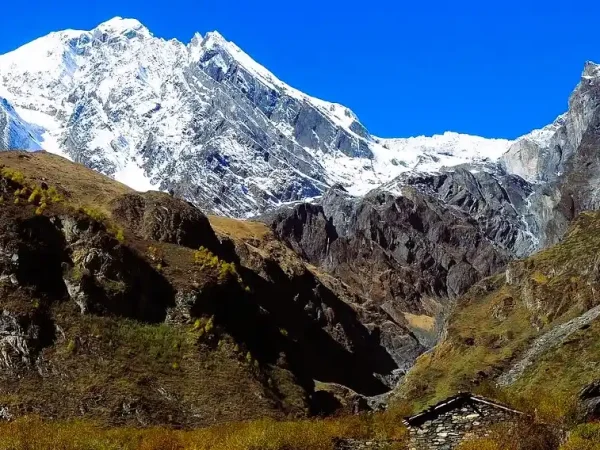
- Go through the lush rhododendron forest and get lost in the ravishing views of the Himalayas.
- Get real insight into life in remote Nepal and experience livelihood.
- Experience the tasteful organic local food items and the smoothest hospitality of the locals.
- Quality time in the homestays of Tamang villages and an opportunity to learn about the culture and tradition.
- Have a closer look at the serene scenery of Langtang Hills, Ganesh Himal, and many more.
- Enjoy the therapeutic hot spring bath at Tatopani.
Overview
Langtang Valley trek, also referred to as the Tamang Heritage Trail, is a picturesque and culturally important trekking route in Nepal that offers a unique insight into the traditions and lifestyle of the Tamang people, who are an indigenous group in the Himalayan area. Adventurers looking for an experience away from the crowded paths are increasingly attracted to this trail in the Langtang region.
The 150-kilometer-long Trail presents opportunities for engaging with locals and discovering their customs, languages, and crafts as it traverses charming Tamang villages such as Gatlang, Tatopani, and Thuman. In addition to beautiful rhododendron forests, the trek provides breathtaking views of the Langtang mountain range.
Trekkers can enjoy the warm hospitality of the Tamang people by staying in homestays, savoring traditional dishes, and participating in cultural activities. The trek supports the sustainable development of these remote villages while also offering a memorable journey through spectacular landscapes. Nestled in the heart of the Himalayas, the Langtang Valley Trail represents the perfect blend of natural beauty and cultural experience.
Major Highlights:
Three Temple Tour
Before the trek commences, you will receive a brief tour of Kathmandu city and three renowned temples located within the valley. All of these are designated as UNESCO World Heritage Sites. You will begin your visit at Swyambhunath, a highly popular tourist destination in the heart of the valley. From there, you can capture an impressive aerial view of Kathmandu city. Additionally, you can gain extensive knowledge about the culture and traditions of nomadic Nepal.
Furthermore, we will explore Boudha Stupa, another significant temple in Kathmandu Valley. It is a major tourist attraction with substantial Buddhist cultural importance. The large dome adorned with beautiful eyes symbolizes that Buddha is present and observing. This site feels more vibrant and serene when visited in the morning.
Pashupatinath Temple stands as one of the most significant Hindu pilgrimage sites in Nepal and the foremost Hindu temple in Kathmandu Valley. Dedicated to Lord Shiva, it is believed that the temple has been in existence for the last millennium.
In addition to these three temple tours, you can explore other UNESCO World Heritage Sites, including the notable durbar in the valley, Patan Durbar Square, located near the city of Lalitpur. Known for its exquisite craftsmanship and stunning Newari architecture, the area features the Krishna Mandir, an exemplary structure of stone construction, among its many historic palaces, temples, and landmarks.
Bhaktapur Durbar Square, commonly known as the “City of Devotees,” is located in Bhaktapur. It is famous for the 55-Window Palace and for preserving much of its medieval charm. The locale, rich with its remarkable pagoda-style buildings and intricately carved woodwork, acts as a living cultural museum for the Newari community.
These Durbar Squares represent vital cultural and historical sites and collectively offer a glimpse into the lives of Nepal’s former monarchy, attracting visitors and researchers from across the globe.
Syabrubesi:
Syabrubesi is a delightful town situated in Nepal’s Langtang National Park. It acts as the gateway to the Langtang Valley, a favoured trekking destination, and is nestled within the Himalayan highlands. Syabrubesi can be accessed by road and is approximately 117 kilometres north of Kathmandu. The town is located in the Rasuwa district of Nepal. The village is also known as the “gate of Langtang. ” The surrounding area features the Bhote Koshi River, terraced fields, and verdant hills, creating a peaceful and picturesque starting point for trekkers entering the Langtang region. The community offers essential services to trekkers and adventurers embarking on journeys into the Langtang area, such as guesthouses, tea houses, and shops.
Gatlang
Gatlang is a tranquil and picturesque village in the Langtang Valley, located to the north of Syabrubesi. The village is rich in culture, ethnic diversity, and embodies the spirit of Langtang Valley. Gatlang also acts as a significant gateway or stopover during your Langtang Valley journey. The village was first mentioned as a tourist hotspot in 2015 and was one of the most devastated villages in Rasuwa during the earthquake of 2015 AD. Nonetheless, the village still exudes charm and cultural importance as it re-establishes itself as a tourist destination. Numerous households rely on tourism for their livelihood. The village features various tea houses, hotels, and community homestays to offer visitors relaxation and accommodation.
Tatopani
Tatopani represents another key highlight along this trekking path. It is particularly renowned for its natural hot springs, which provide visitors with therapeutic bathing experiences. It is believed that bathing in these hot springs can heal skin ailments and enhance the skin’s fairness and glow. The village boasts stunning views and also acts as the entrance to Langtang National Park. Visitors will have the opportunity to enjoy a therapeutic natural spring bath, marking a memorable experience during their visit to Tatopani.
Bridim Cultural Village
Bridim Village stands out as one of the most culturally preserved villages in the nation. It has long showcased Tamang culture and traditions. Repeat visitors to the village are often those who have previously experienced its charm. The village operates as a community homestay, so by visiting and spending precious moments there, you not only support a family’s finances but also contribute to the welfare of the entire community.
Kyanjing Ri Gompa
The Kyanjing Ri Gompa is a Buddhist monastery located in Nepal’s Langtang Valley. It serves as a hub of spirituality and culture for the region, positioned at an elevation of around 3,870 meters (12,697 ft). This serene monastery is a popular rest point for trekkers in the Langtang area and offers breathtaking views of the surrounding snow-capped mountains, including Langtang Lirung. Guests are sure to be captivated by the gompa’s distinctive Tibetan-inspired architecture, prayer wheels, and vibrant paintings, and they can also take advantage of the peaceful environment for meditation and contemplation. The religious significance and natural splendor of Kyanjing Ri Gompa enhance the allure of the Langtang Valley trek.
Rimche and Thulo Syabru
Rimche and Thulo Syabru are two more enchanting villages along the Langtang trail. They boast rich Tamang culture and exhibit greater diversity among all human settlements in the Langtang region. Rimche acts as a favored stop for trekkers on the Langtang Valley Trek, offering visitors exceptional picturesque beauty and calming views of snow-capped mountains on clear days.
Thulo Syabru is a larger town that presents a more vivid representation of Tamang culture. The charming landscapes and traditional elements beautifully interconnect in Thulo Syabru. Additionally, the village serves as a significant entry point for Langtang National Park. Thulo Syabru is also a key stop for both domestic and international trekkers.
Langtang National Park
Langtang National Park is a splendid natural sanctuary situated in Nepal’s Himalayan region. It covers an area of roughly 1,710 square kilometers and is renowned for its breathtaking alpine scenery, lush forests, and diverse wildlife. The park’s name originates from the famous trekking area known as the Langtang Valley.
Visitors to Langtang National Park can expect to encounter unique and endangered species such as red pandas, snow leopards, and Himalayan tahr. The park is a paradise for birdwatchers due to its vast rhododendron and oak forests, which provide habitats for numerous bird species. Langtang is recognized for its challenging yet rewarding trekking routes that showcase stunning views of snow-capped peaks, serene glacial lakes, and traditional Tamang villages.
Detailed Itinerary
Day 1: Arrival in Kathmandu (1400m | 4593ft. )
Day 2: Drive to Gatlang (2238m | 7343ft. , 139km, 9-10 hrs)
Day 3: Trek to Tatopani (2607m | 8553ft. , 6-7 hrs)
Day 4: Trek to Thuman via Brimdang and Nagthali (2338m | 7669ft. , 6-7 hrs)
Day 5: Trek to Briddim Village (2229m | 7313ft. , 5-6 hrs)
Day 6: Trek to Sherpa Gaon (2563m | 8406ft. , 5-6 hrs)
Day 7: Sherpa Gaon to Langtang Village (3430m | 11253ft. , 6-7 hrs)
Day 8: Langtang Village to Kyanjin Gompa (3870m | 12696ft. , 3-4 hrs)
Day 9: Hike to Tserko Ri (4984m | 16347ft. ) or Kyanjin Ri (4773m | 15655ft. )
Day 10: Trek back to Rimche (2455m | 8053ft. , 7-8 hrs)
Day 11: Rimche to Thulo Syabru (2130m | 6988ft. , 5-6 hrs)
Day 12: Drive to Kathmandu (1400m | 4593ft. , 8 hrs)
What to anticipate during the 15-day journey to Langtang Valley Trail?
You should prepare for the unforeseen while visiting Nepal. Langtang Valley or the Langtang Valley trek offers visitors the chance to appreciate the serene beauty of Upper Rasuwa district and Langtang Valley. Trekkers will delight in the combination of breathtaking views and Langtang Valley throughout the trek. Over these 12 days, the rich culture, natural beauty, village life, monasteries, and gompas scattered around will captivate you continuously. Do not overlook the opportunity to taste local cuisines. If you visit during a festival, you will also get to enjoy the charm of the festive season in the area. In summary, the journey through Langtang Valley Trail will be memorable.
Optimal Time to trek to Langtang Valley Trail for 12 days
Langtang Valley is accessible to everyone throughout the year. The area invites you to explore it at any time that suits you, and Visit View Nepal Treks will offer you all the necessary information for a successful trek. However, according to the recommendations of our experts, the ideal times to experience Langtang Valley Trail are during Spring (March-May) and Autumn Season (Sept-Nov). These seasons are known to provide you with the most favorable experience and weather conditions as well.
Spring Season:-
Spring stands out as one of the finest seasons from a weather standpoint in Nepal. It offers excellent weather conditions, especially for travel enthusiasts and trekkers. Additionally, in Langtang Valley, or the Langtang Valley Trail, the weather during spring is typically stable, and temperatures are consistent. The rhododendron forests enhance the beauty of Langtang Valley during this time.
Autumn Season:
This season is another superb time to hike in Nepal. It’s not just superb; many trekkers have rated it as the best for trekking in Nepal. The weather tends to be mostly clear, temperatures are stable, and the length of days is nearly equal to that of nights during this period. This season is also abundant with Hindu festivals such as Dashain and Tihar, which are widely celebrated in Nepal. If you make a trip to Langtang Valley Trail during Autumn, you might have the opportunity to celebrate Dashain with the local people.
Langtang Valley Trail comfort and difficulty
The Langtang Valley Trail and Langtang Valley trek are considered moderately challenging treks, as we will reach a peak altitude of 4984 meters above sea level. The journey will commence from Gatlang, a low-altitude area at just 2200 meters above sea level. We will ascend from 2200 meters to 4984 meters within a single week. This increase in altitude may pose challenges for newcomers in the highlands of Nepal, but the accommodations, hospitality, and guidance from our support team will ease and secure your experience, allowing you to complete the trail within the scheduled timeframe. You will receive guidance to help you avoid potential health issues during your trek.
However, the accommodation, food, drinking water facilities, and local nutrients of the highland Himalayas will mainly aid in addressing potential health concerns. Nonetheless, a sick or unwell person is advised against traveling to the Langtang Valley trek due to the variable weather and high elevation. Those individuals are recommended to trek in lower Himalayan regions such as Poonhill-Ghorepani, Mardi Himal, and Korchan. Langtang Valley poses a challenging trek for your wellbeing.
Permits required for Langtang Valley Trail
As a foreign trekker, you must acquire various permits to be allowed to enter the Langtang region. You will require the following permits:
A Trekkers Information Management System (TIMS) card is the essential permit for accessing any trekking route in Nepal. The TIMS assists trekkers during emergencies and is traceable by the authority, which is the Nepal Tourism Board. This card must be obtained in Kathmandu.
Langtang National Park entry permit: You will need to purchase a National Park entry permit to gain entry into the Langtang National Park premises. This can be acquired in Kathmandu as well as at the national park entry gates.
Visit View Nepal Treks will offer you a seamless procedure for obtaining the permits with complete convenience. You need not worry when you place your trust in us.
Food and drinking water facilities during the Langtang Valley trial of 12 days
You will enjoy good food and accommodation services during your 12-day trek of Langtang Valley, also known as the Langtang Valley Trail. There will be twin shared bedrooms available in the teahouses, guesthouses, and homestays. Bathrooms are usually common facilities. Some teahouses will provide hot shower options, and wifi will generally be accessible for free in almost every teahouse. You will be served nutritious meals to replenish your energy for the upcoming day. Traditional dishes made from maize, paddy, and barley will be offered. Rice-based dishes are limited to the lower regions. The food will be healthy, organic, and nourishing. You will receive ample vitamins, protein, and energy from the meals.
Drinking water provided in the teahouses and guesthouses is very pure and safe to drink without boiling; however, if you prefer boiled water, you can simply request it from the locals. Boiled water may incur a minimal charge, but unboiled water will be available at no cost.
Altitude Sickness
On this trek of Langtang Valley Trail, also known as the Langtang Valley trek, we will ascend to an elevation of 4984 meters from sea level, which is one of the higher altitudes encountered while trekking. Newcomers may face risks associated with altitude sickness, and even some experienced trekkers might occasionally feel lightheaded. Visit View Nepal Treks has designed the most suitable ascent to the maximum altitude to help you acclimatize, reducing the likelihood of altitude sickness. In case of an emergency, our knowledgeable guides will be present to assist you.
Last Minute Booking
Visit View Nepal Treks is ready for your service upon prior booking and last-minute booking. We can be present at your service for the booking and counselling for the trek you want. As long as the booking is 48 hours before the departure time from the designated place we will be able to offer you a last-minute booking as well. You can kindly contact us on our social media handles or directly message us on WhatsApp at +977
Additional Info:
Physical Fitness
You are prepared and capable of embarking on the Langtang Valley Trail if you do not have any medical conditions such as asthma and heart-related issues and if you have not experienced any type of injury. In brief, you must be cleared by a medical professional to hike the Langtang Valley Trail. We want you to ensure that you have no heart problems or limitations in your physical abilities.
You can get yourself ready by exercising regularly and going to the gym to boost your endurance. You can train for steep climbs and descents to enhance your hiking on the hills. Additionally, you can take a reasonable day hike to verify that you are capable of walking and adjusting more quickly. We recommend that you stay hydrated and consume foods rich in protein and vitamins.
Travel Insurance
Trekking at high altitudes presents various unpredictable situations that could result in dangerous accidents, and medical expenses can be quite substantial as well. To ensure you are protected from financial liabilities in the event of an emergency, we advise obtaining travel insurance during your trip to Nepal. Having travel insurance will shield you from the financial burdens that may arise from accidents or other unforeseen circumstances.
There will not be ATMs available for your convenience in the high hills, so it is advisable to bring some cash from Kathmandu, or you can withdraw funds from lower stopover points like Syabrubesi. With the cash you withdraw, you will be able to purchase additional necessities and items not included in the package you bought. Furthermore, you can use the cash to compensate guides and porters who consistently assist you with your successful trekking.
Detailed Itinerary
Day 1: Arrival in Kathmandu (1400m | 4593ft. )
Day 2: Drive to Gatlang (2238m | 7343ft. , 139km, 9-10 hrs)
Day 3: Trek to Tatopani (2607m | 8553ft. , 6-7 hrs)
Day 4: Trek to Thuman via Brimdang and Nagthali (2338m | 7669ft. , 6-7 hrs)
Day 5: Trek to Briddim Village (2229m | 7313ft. , 5-6 hrs)
Day 6: Trek to Sherpa Gaon (2563m | 8406ft. , 5-6 hrs)
Day 7: Sherpa Gaon to Langtang Village (3430m | 11253ft. , 6-7 hrs)
Day 8: Langtang Village to Kyanjin Gompa (3870m | 12696ft. , 3-4 hrs)
Day 9: Hike to Tserko Ri (4984m | 16347ft. ) or Kyanjin Ri (4773m | 15655ft. )
Day 10: Trek back to Rimche (2455m | 8053ft. , 7-8 hrs)
Day 11: Rimche to Thulo Syabru (2130m | 6988ft. , 5-6 hrs)
Day 12: Drive to Kathmandu (1400m | 4593ft. , 8 hrs)
Inclusions
What's included?
- Airport transfer services during international flight arrivals and departures.
- Accommodation during the treks
- Meals (Breakfast, Lunch, and Dinner) and tea/coffee
- Experienced English-speaking government-licensed trekking guide
- Guide salary, food, equipment, and insurance
- National Park Permit and TIMS
- Regular Local Bus from Kathmandu to Gatlang and from Syabrubesi to Kathmandu
- Sleeping bag if needed (To be returned after the trek)
- Water purification tablets
- First aid kit with basic medications
What's not included?
- Your Nepal Visa fees. (15 Days – 30 USD, 30 Days – 50 USD, 90 Days – 125 USD)
- All the International airfare from and to Kathmandu.
- Lunch and Dinner in Kathmandu.
- Personal travel and health Insurance, Insurance for helicopter evacuation.
- In case of extra night accommodation, lunch, and dinner in the city due to early arrival and late departure as well as early back/return from mountain/trekking (due to any reason) than the given time period of the itinerary.
- Your Personal expenses such as ( laundry, baggage charge, phone calls, battery recharge, bar and beverage bill, boiled or bottled water, hot and cold shower, extra porter.. etc).
- The Tips to the trekking crews and drive.
- Extra expenses due to flight delays, strikes, weather conditions, or any event out of our control.
- All applicable government and local taxes per the itinerary.
Equipment (Essential Gears)
Trip Map
FAQs
Q. 1) Is the Langtang Valley Trail difficult?
The Langtang Valley Trail, also known as Langtang Valley Trek, is recognized as a moderately difficult trekking route. The 15-day trek is one of the longer paths and may pose a challenge for those who are inexperienced or have physical conditions. However, the trekking route caters to all age groups and individuals with no prior experience. It should not be excessively difficult for any trekker to complete the journey, but caution is necessary.
Q. 2) What is the cost of the Langtang Valley Trail?
The Langtang Valley Trail is among the longer routes available in Nepal. The trekking cost will range from $1100 to $1500, depending on the services you choose. The price may vary according to the amenities and services you wish to utilize.
Q. 3) How much cash should one carry when trekking to the Langtang Valley Trail?
If you have already purchased the package and are looking for cash for additional services or necessary items during the trekking period, you will not need much cash. The cash you carry will be significant if you wish to purchase food or drinks that the package does not include. The cash will be crucial for providing tips for the porters and guides for the assistance they provide. You may carry what you prefer, as bringing substantial amounts of cash can pose a risk of losing it while trekking as well.
Q. 4) What is the optimal time for trekking to the Langtang Valley?
The optimal time to trek the Langtang Valley is during spring (March-May) and autumn (September-November). These periods offer clear skies, comfortable temperatures, and stunning rhododendron flowers in spring, while autumn delivers excellent mountain vistas and pleasant weather. Winter (December-February) may be chilly but bearable, and monsoon (June-August) brings intense rainfall and treacherous trails.
Q. 5) Is a permit required to trek the Langtang Valley Trek?
Yes, trekkers require two permits:
Langtang National Park Entry Permit (NPR 3,000 for foreigners, NPR 1,500 for SAARC nationals)
TIMS (Trekkers' Information Management System) Card (NPR 2,000 for individual trekkers, NPR 1,000 if trekking with an agency).
These can be acquired in Kathmandu or Syabrubesi, the trek's starting location.
Q. 6) What is the difficulty level of the Langtang Valley trek?
The Langtang Valley trek is classified as a moderate trek, suitable for both beginners and seasoned trekkers. It entails daily hikes of 4-7 hours, featuring some steep climbs and descents. The highest elevation is approximately 3,870m (Nagthali Viewpoint), making altitude sickness generally not a significant issue. Engaging in regular exercise prior to the trek enhances endurance.