Highlights
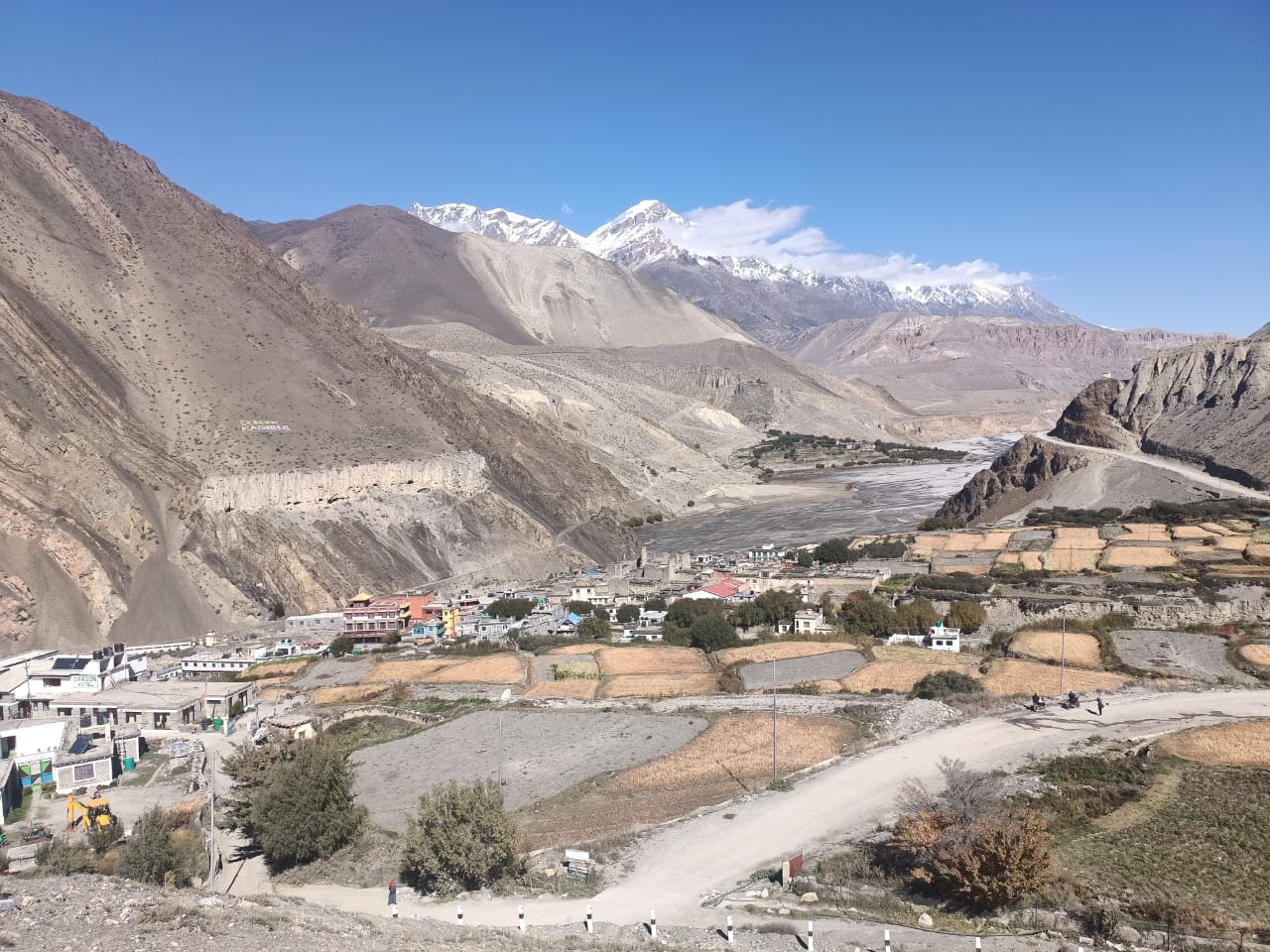
- Explore the splendor of the Himalayan mixture of nature and cultural heritage.
- Witness the blooming allure of Hiuchuli, Ganesh Himal, Manaslu, and numerous others.
- Explore the lesser-known charm of Tsum Valley and its culture.
- Encounter the locals and gain insights into their lifestyle and culture up close.
- Delight in the distinctive experience of natural beauty and uninterrupted Tibetan culture.
- Awakening to the sight of Ganesh Himal and melodic birds outside your window.
- Discover the beauty of the Ganesh Himal range while at the Ganesh Himal Base Camp.
- Learn more about the fascinating lifestyle of the Tsum People on the lap of the Himalayas.
Overview
Tsum Valley is one of the most exceptional and naturally blessed places, offering visitors the opportunity to explore and understand nearly isolated social life beneath the Himalayan Region of Western Nepal in Gorkha District. The valley experienced disturbances during the series of earthquakes in 2015 but made a remarkable recovery with the essential infrastructures to accommodate trekkers and visitors. This location can be the ideal destination for those seeking serene peace far removed from the bustling and chaotic life of the city. The rich heritage and tranquil landscape of Tsum Valley enhance the value of the peace and tranquility it provides.
“Tsum” is the Tibetan word meaning vivid just like the serene views of Ganesh Himal, Sringi Himal, and Boudha Mountain range. Tsum Valley is ideally suited for peace seekers looking for unparalleled natural beauty and its cultural importance.
The Tsum Valley has been home to Buddhist monasteries, chariots, and unique customs and traditions for centuries. It has never been overrun by outside forces and has therefore successfully preserved the distinctiveness of the Buddhist culture. The residents of Tsum Valley are well known as Tsumbas. The remarkable history of Tibetan culture combines with the serene and breathtaking beauty of Ganesh Himal, Kailash Himal, and the Valley itself, ensuring that Tsum Valley offers you an ideal opportunity to experience the natural brilliance and cultural heritage to its fullest.
During the trek through Tsum Valley, we will traverse the lush green vegetation of Nepal’s hilly regions to the stunning beauty of the upper Himalayas, including Ganesh Himal and Manaslu. The rhododendron forests, populated with diverse wildlife such as boar, Himalayan leopards, and Danfe (Lophophorus), the national bird of Nepal, alongside the banks of the Budhi Gandaki River, will provide you with a peaceful experience before entering Tsum. Additionally, the monasteries along our route will create a beautiful combination of culture and natural beauty in the region.
Visit View Nepal Treks has crafted this unique itinerary for a special adventure in the lesser-known and explored part of central-northern Nepal.
What can you anticipate from the Tsum Valley Trek?
Explore Living Tibetan Culture.
Tsum Valley has been the residence of Tibetan Culture for many years. It is located in the secluded terrain of the Manaslu region, which has never been conquered by outside forces. Tsum Valley can sustain its culture for an extended period and is gradually being modernized as well. We can appreciate and witness the magnificent Tibetan Culture right before us and engage with the heritage of the culture. If we arrive in Tsum Valley during the festival season, we can partake in the festivities alongside the locals to immerse ourselves in the cultural experience.
Meet Tsumpas
The Tsumpas, the inhabitants of the Tsum Valley, are the living embodiment of the historical and cultural importance of Tsum Valley’s traditions. We will delve into the culture and practices they have maintained throughout the centuries. The people enjoy sharing their historical experiences and displaying their folk traditions. This will allow every visitor to discover the untouched, serene culture and lifestyle of the Tsumpas from an intimate viewpoint.
Ganesh Himal Base Camp
The unparalleled beauty of the trek to Tsum Valley is found at the Ganesh Himal Base Camp. Positioned at an elevation of approximately 4200 meters above sea level, Base Camp provides stunning views of all four mountains of the Ganesh Himal Range. Each of these peaks rises over 7000 meters. Trekkers will immerse themselves in the flora, fauna, and ethnic cultures of local Tsums, Gumbas, caves, and monasteries during the brief hike to Ganesh Himal Base Camp. Ganesh Himal Base Camp is a blend of incredible vistas and wilderness in nature. Trekkers will indulge in the natural tranquility of the Himalayan region of Nepal.
Gumba Lungdang
Gumba Lungdang is a Buddhist monastery located at an altitude of about 3200 meters above sea level. It is also referred to as the heart of Tsum. The monastery offers locals and trekkers various cultural and historical themes as well as the significance of the ancient Tibetan Culture. The distinctiveness of the Buddhist faith is fully displayed in Gumba Longdang. Nestled amid the breathtaking mountain landscape of the Tsum Valley trekking route, the monastery provides a peaceful and spiritually enriching experience with its intricate artwork, statues, and religious artifacts.
Less Discovered Valley of Tsum
The Tsum Valley is a hidden treasure of Nepal. The valley remains relatively unvisited and uncelebrated, allowing the authenticity and folklore of the Valley to be evident. The cultural display and the secluded lifestyle, combined with natural beauty, is an experience one should not miss when exploring Nepal. One of the highlights of Tsum Valley is the ethnicity and humility of its residents, along with their warm hospitality towards visitors. The scenic landscapes and the calmness of nature merging with the generosity of the locals will create a perfect experience for any trekker. Monasteries, chariots, Mani walls, and colorful flags will enhance the beauty of Tsum along the way.
Buddhist Sacred Caves and Monasteries
Every monastery and cave encountered during the trek to the Tsum Valley holds its own significance and history. Rachen Gompa, Mu Gompa, and Gumba Longdang are emblematic of what Tibetan Buddhism embodies. They all embody the Buddhist art, scriptures, and prayer halls which provide a spiritual experience to the visitor. Along the way, we will come across Milarepa’s Cave linked to the renowned Tibetan Monk Milarepa. Amid the grand views of the Himalayan ranges, the caves and monasteries enhance the beauty of the Tsum Valley.
Detailed Itinerary
Day 1: Drive from Kathmandu to Maccha Khola (869m | 2850ft) – 7-8 hrs
Day 2: Trek from Maccha Khola to Jagat (1340m | 4395ft) – 7 hrs
Day 3: Trek from Jagat to Lokpa (2240m | 7347ft) – 6-7 hrs
Day 4: Trek from Lokpa to Chumling (2386m | 7826ft) – 6-7 hrs
Day 5: Trek from Chumling to Chhokangparo (3031m | 9941ft) – 6 hrs
Day 6: Trek from Chhokangparo to Nile to Mu Gompa (3361m | 11026ft) – 5-7 hrs
Day 7: Trek from Mu Gompa to Chhokangparo (3031m | 9941ft) – 5 hrs
Day 8: Trek from Chhokangparo to Gumba Lungdang (3400m | 11152ft) – 7 hrs
Day 9: Hike to Ganesh Himal Base Camp (4900m | 16076ft) and return to Gumba Lungdang – 8-9 hrs
Day 10: Trek from Gumba Lungdang to Chumling (2470m | 8101ft) – 4 hrs
Day 11: Trek from Chumling to Salleri (1353m | 4438ft) – 6-7 hrs
Day 12: Hike from Salleri to Maccha Khola (869m | 2850ft) – 6-7 hrs
Day 13: Travel from Maccha Khola to Kathmandu (1400m | 4592ft) / Pokhara (800m | 2626ft) – 9 hrs
Useful Info
Tsum Valley Trek Ideal Time, Season, Months
Tsum Valley is situated in the western section of Nepal and has an elevation of 4200 meters above sea level. It greets trekkers with the breathtaking beauty of the Himalayas combined with the isolated Tibetan culture of the Tsumpas. Trekkers are presented with various experiences throughout all seasons, but we suggest selecting the Spring and Autumn Seasons to witness the best of Tsum Valley along with Tsumpas joyfully celebrating their festivals in traditional ways. The climate and temperature during these seasons will be optimal for enjoying nature, and the festivals that take place during this period will enhance the thrilling trekking adventure in the Valley.
Spring Season (Mar-May):
Following winter, this season is referred to as the time of greenery and joy in Nepal. The temperature begins to rise, and the days become noticeably longer. The sky will be clear, allowing you to appreciate every moment in Tsum amidst natural beauty and vegetation. Lhosar also takes place during this season in early March, so you will be immersed in the festive spirit of the Buddhists. Should you wish, the Tsumpas will be delighted to share and celebrate the festival with you. The interaction and experience will be incomparable and unforgettable for a lifetime.
Autumn Season (Sep-Nov):
The Autumn Season is the ideal time to visit Nepal and all its destinations. The highest number of tourists arrive in Nepal during this season. As the monsoon clears in mid-September, the major festivals of Nepal, namely Dashain and Tihar, take place. This period will also be a holiday season in Nepal. Thus, the experience gained from trekking to Tsum and other locations will be unmatched. We will be surrounded by mountains, and the views will be as breathtaking as possible. Since this is both a holiday and tourism season in Nepal, expect to encounter and interact with many fellow trekkers as well.
You can explore the Tsum Valley during the Monsoon and winter months as well, but there will be drawbacks for you. Heavy rain may spoil the adventure during the monsoon, and in a similar vein, snowfall may occur throughout the winter days. The climate is always unpredictable in the mountains during the off-season.
Manaslu Tsum Valley Trek Permit Cost
Two distinct permits will be necessary to enter the Tsum Valley as a foreign national. Both permits are readily attainable. You will need to obtain the Tsum Valley Permit and the Manaslu Conservation Area Permit.
The Tsum Valley Permit will cost you USD 40 for the initial eight days and an extra USD 7 for each day you remain in the Tsum Valley area. Therefore, for a 13-day trek to the Tsum Valley, you should spend USD 82 to acquire a Tsum Valley Permit. Similarly, the Manaslu Conservation Area Permit (MCAP) costs NPR 2000 (USD 15) for your entire journey.
Visit View Nepal Treks will organize all the permits necessary for the Tsum Valley trek and additional locations as well.
Difficulty Level of Manaslu and Tsum Valley Trek
The Tsum Valley trek is a moderately challenging trekking area. During the trek through the lower hills, ascending the hill will be quite straightforward. However, the terrain becomes more challenging as you ascend higher into the hills. There is a rugged and unpaved path littered with stones along the way. Nevertheless, most of the trail is sufficiently maintained for easy walking. Ensure that you have strong legs for the descent, as walking downhill can be taxing and tiring. There should be no worries or risks of injury during the trek as long as you have assistance in the tougher sections.
Altitude Sickness and prevention in Manaslu Tsum Valley Trek
The Tsum Valley Trek ascends to 4200 meters above sea level. At that elevation, you may not encounter significant issues with altitude sickness; however, some trekkers may experience symptoms of altitude sickness. Visit View Nepal Treks suggests that its esteemed guests be well-equipped to mitigate the effects of altitude sickness.
You can ready your body by engaging in cardiovascular exercises and consuming nutrients such as vitamins and protein at home. Light training at the gym and short hikes in your locality also contribute significantly to your preparation. It is essential to be mentally prepared for the trek before becoming physically ready. The guides from Visit View Nepal Treks will provide you with all the support you need during your trek.
Food on Tsum Valley Trek
Tsum Valley, as an ethnic Buddhist area, is significantly shaped by Tibetan Culture. The cuisine will feature ingredients sourced from local plants such as Barley and Millet. Additionally, you will find standard Nepali food selections like Pulses and rice. You can look forward to meals that offer high nutritional benefits, ensuring you remain energized for your trek at all times.
Water on Tsum Valley Trek
You will find water at each stop. There are natural water sources like rivers and streams along the route where you can easily obtain fresh cold water for yourself as well. If you wish to use boiled water in the hills, the teahouses and rest stops will provide it. Some teahouses may charge you for the hot water, but it is readily accessible.
Travel Insurance for Tsum Valley Trek
Trekking and exploring a new location comes with both unique risks and rewards. You should always be prepared for the potential consequences that may arise during the trek. Visit View Nepal Treks highly recommends that you acquire travel insurance for yourself. There are numerous travel insurance options available that offer great value for your investment. You can protect yourself from financial repercussions by purchasing travel insurance while traveling in a foreign country.
Tsum Valley Trek Booking Procedure
Visit View Nepal Treks is available for booking to the Tsum Valley at your convenience. You can simply call or text the provided contact information or directly message the social media accounts of Visit View Nepal Treks to obtain more details about the trek and our services. You will receive all the detailed information from Visit View Nepal Treks prior to reserving your spot for Tsum Valley or any other location.
Detailed Itinerary
Day 1: Drive from Kathmandu to Maccha Khola (869m | 2850ft) – 7-8 hrs
Day 2: Trek from Maccha Khola to Jagat (1340m | 4395ft) – 7 hrs
Day 3: Trek from Jagat to Lokpa (2240m | 7347ft) – 6-7 hrs
Day 4: Trek from Lokpa to Chumling (2386m | 7826ft) – 6-7 hrs
Day 5: Trek from Chumling to Chhokangparo (3031m | 9941ft) – 6 hrs
Day 6: Trek from Chhokangparo to Nile to Mu Gompa (3361m | 11026ft) – 5-7 hrs
Day 7: Trek from Mu Gompa to Chhokangparo (3031m | 9941ft) – 5 hrs
Day 8: Trek from Chhokangparo to Gumba Lungdang (3400m | 11152ft) – 7 hrs
Day 9: Hike to Ganesh Himal Base Camp (4900m | 16076ft) and return to Gumba Lungdang – 8-9 hrs
Day 10: Trek from Gumba Lungdang to Chumling (2470m | 8101ft) – 4 hrs
Day 11: Trek from Chumling to Salleri (1353m | 4438ft) – 6-7 hrs
Day 12: Hike from Salleri to Maccha Khola (869m | 2850ft) – 6-7 hrs
Day 13: Travel from Maccha Khola to Kathmandu (1400m | 4592ft) / Pokhara (800m | 2626ft) – 9 hrs
Inclusions
What's included?
- Both way transportation Bus from Kathmandu - Machhakhola - Kathmandu.
- Twin-sharing accommodation in the mountain best available lodges/Guesthouse with breakfast.
- A knowledgeable, Experience and Government license holder guide.
- Wages, meals, medical allowance of guide and Porters.
- Trekking equipment, such like sleeping bags, and Duffel bag if necessary (Refundable).
- Applicable Special Trekking Permits for Restricted Areas, include MCAP and Local government fee.
What's not included?
- Nepal Visa, Personal Medical & Travel Insurance.
- Expenses of a personal nature such like: Hot shower, Wi-Fi and Laundry service in mountain.
- Lunch and Dinner all-round the trip.
- Gratitude or tipping for trekking guide and porter.
- Emergency Evacuation if required by any means of transportation
- Personal medical kit, as advised by your doctors.
- Early return from the trek due to personal reasons, no refund will be entertained on breaking the journey.
Notes
- Need A Porter? Pay USD 20 Per Day (A porter can be shared by two people- can carry 20 kg of load)
- Need Full Board Package (Breakfast, Lunch and Dinner)? Pay USD 28 per day Per-person.
- Want Private Jeep from Kathmandu to Machhakhola? Add extra USD 250
- Want to do Kathmandu UNESCO World Heritage Site Tour ? Add Extra USD 80
- Want to do Everest Scenic Mountain Flight ? Add Extra USD 250 Per-person
- Are you interested to do Everest Helicopter Sightseeing Tour? Add Extra USD 1275 P/P
Equipment (Essential Gears)
Trip Map
FAQs
Q. 1) What are the chances of getting ill during the Tsum Valley trek?
There are very low risks of injury or illness during the Tsum Valley trek since it is a moderate trek reaching an elevation of only 4200 meters. However, some individuals may experience symptoms of altitude sickness, but these can be easily prevented by resting and drinking plenty of water.
Q. 2) How much does it cost for the Tsum Valley trek?
The cost varies according to the amenities and services you utilize while traveling. You can discuss the services and facilities included in your package, but the price will differ based on your selections. You can expect it to offer both good value and affordability. Visit View Nepal Treks promises excellent customer service.
Q. 3) Why should I be getting travel insurance?
Travel insurance is always a wise purchase when visiting new destinations. Safety during travel cannot always be guaranteed. In the event of an injury or illness that necessitates evacuation, expenses can accumulate quickly. Travel insurance can help you recover the significant hospital costs that could be financially devastating. Visit View Nepal Treks strongly advises you to obtain travel insurance for yourself.