Highlights
- Stand at Everest Base Camp beneath the Khumbu Icefall
- Scenic mountain flight to Lukla
- Acclimatize in Namche Bazaar, the heart of Khumbu
- Visit Tengboche Monastery
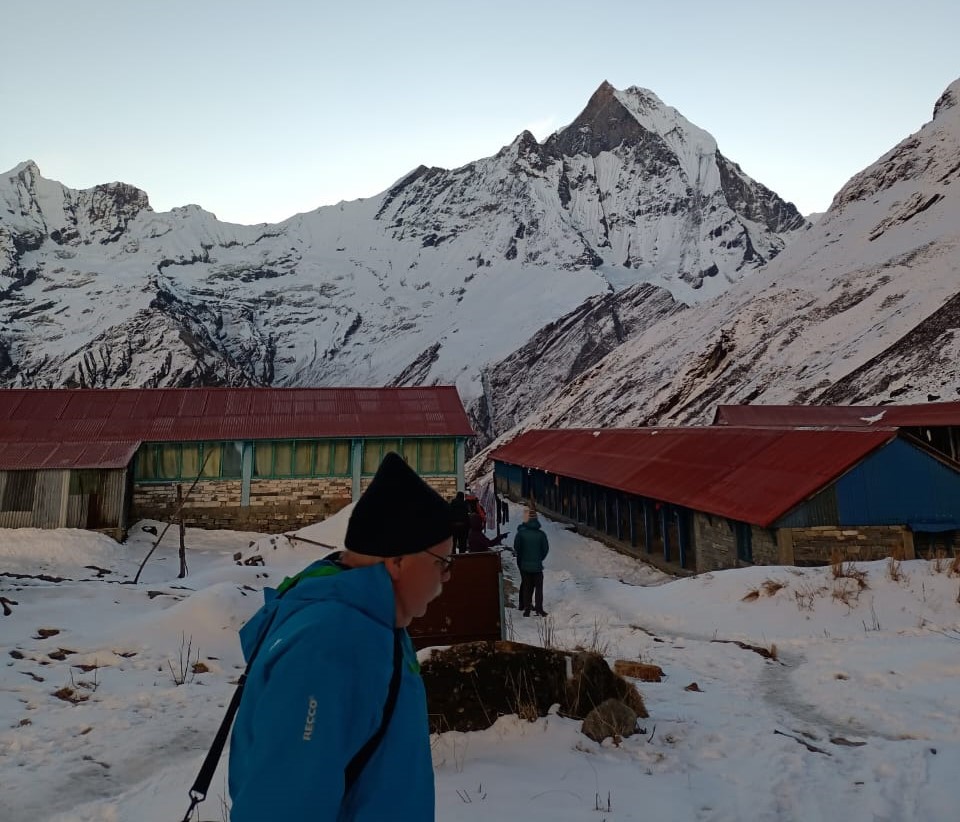
- Unbeatable mountain views of Everest, Lotse, Kanchenjunga, Ama Dablam etc.
- Sunrise hike to Kala Patthar
- Walk through Sagarmatha National Park
- Sherpa Culture and hospitality.
- Optional helicopter flight over Everest and Himalayan glaciers
Overview
The Everest Base Camp Short Trek is the perfect answer for trekkers who dream of standing beneath the world’s highest mountain but are limited by time. This condensed journey distills the essence of the classic Everest Base Camp experience into a faster, more efficient itinerary without losing the cultural depth, dramatic scenery, or sense of achievement that has made the trek legendary.
Set in Nepal’s Khumbu region, the short Everest Base Camp trek takes you through Sherpa villages, ancient monasteries, glacial valleys, and high Himalayan viewpoints, culminating at the iconic Everest Base Camp itself. With careful acclimatization planning and an optional helicopter return, this trek is ideal for experienced hikers, adventure travelers, and professionals seeking a once-in-a-lifetime Himalayan journey within a tight schedule.
Why Choose the Everest Base Camp Short Trek?
The Himalayas call to adventurers across the globe, but not everyone has two full weeks to answer that call. The Everest Base Camp Short Trek offers a balanced alternative with several compelling advantages:
- Time Efficiency
By streamlining walking days and incorporating a helicopter flight on the return (optional), trekkers can complete the journey in just over a week.
- Same Iconic Destination
You still reach Everest Base Camp, hike to Kala Patthar, and experience the heart of the Khumbu nothing essential is missed.
- Ideal for Experienced Trekkers
If you already have trekking experience and good fitness, the shorter itinerary provides a focused, intense adventure.
- Flexible Exit Options
Weather permitting, a helicopter flight from Gorak Shep or Pheriche offers breathtaking aerial views and saves several days of walking.
Getting to the Trailhead: Kathmandu to Lukla
- The adventure begins with a scenic flight from Kathmandu (or Ramechhap, depending on season) to Lukla. The short flight offers stunning views of Himalayan ranges before landing at one of the world’s most iconic mountain airstrips.
- From Lukla, the trek immediately immerses you in alpine scenery, river valleys, and Sherpa settlements.
Accommodation & Meals on the Trek:
We will get simple accommodations in tea houses and lodges throughout the trail. Though the accommodations aren’t that luxury they are comfortable and provides us exposure to the local Himalayan life with warm hospitality.
Similarly, the meals we eat are freshly cooked with love by the locals. The food is also basic but they are hearty and helps to balance the energy after long hours of trek each day.
Accommodation
- Traditional teahouses
- Twin-sharing rooms
- Shared bathrooms (private where available)
Meals
- Dal Bhat (rice, lentils, vegetables)
- Soups, noodles, pasta, rice dishes
- Breakfasts: porridge, eggs, pancakes
- Local dishes like: reldok
Nutritious meals are essential for maintaining energy at altitude, and the food here are perfectly made for that. Specially the dal bhat cause it is refillable until you are full.
9-Day Short EBC Itinerary
Day 1: Fly Kathmandu → Lukla, trek to Phakding
Day 2: Phakding → Namche Bazaar
Day 3: Acclimatization day in Namche
Day 4: Namche → Tengboche / Dingboche
Day 5: Dingboche → Lobuche
Day 6: Lobuche → Gorak Shep → Everest Base Camp → Gorak Shep
Day 7: Kala Patthar hike → descend to Pheriche
Day 8: Pheriche → Namche
Day 9: Namche → Lukla (fly out next day)
Difficulty Level & Fitness Requirements
The Everest Base Camp Short Trek is physically demanding due to altitude and long walking days. Trekkers should:
- Be in good physical condition
- Have previous hiking or trekking experience
- Be able to walk 6–7 hours per day
- Be mentally prepared for high-altitude conditions
This trek is not recommended for beginners without prior trekking experience.
The Everest Region & Sherpa Culture
The Everest region, locally known as Khumbu, lies within Sagarmatha National Park, a UNESCO World Heritage Site recognized for its dramatic landscapes and biodiversity. Towering peaks such as Everest, Lhotse, Nuptse, and Ama Dablam dominate the skyline, creating one of the most iconic mountain environments on Earth.
Equally important is the Sherpa culture. The Sherpa people are renowned for their mountaineering expertise, hospitality, and deep-rooted Buddhist traditions. Along the trail, trekkers pass mani stones, prayer wheels, chortens, and monasteries that reflect centuries-old spiritual practices.
Everest Base Camp Short Trek Permits
We all, heading to Everest Base Camp must carry mandatory trekking permits. These are arranged in advance by our company, so you don’t need to worry about paperwork during your trip.
Required Permits
- Sagarmatha National Park Entry Permit
- Required to enter the Everest (Khumbu) region
- Issued by the Nepal government
- Protects the natural and cultural heritage of the area
- Khumbu Pasang Lhamu Rural Municipality Permit
- Local government trekking permit
- Replaced the old TIMS card for the Everest region
- Checked at Lukla
Important Permit Notes
- TIMS card is not required for Everest Base Camp
- Permits are checked multiple times along the trail
- Our company arranges all permits before the trek starts
Guide for Everest Base Camp Short Trek
Is a Guide Required?
Yes. A licensed guide is mandatory for trekking in Nepal, including the Everest region. Independent trekking without a guide is no longer permitted.
When you book with us, a government-licensed, English-speaking trekking guide is included in your package.
Role of the Trekking Guide
Your guide is essential for:
- Route navigation and daily pacing
- Altitude monitoring and safety checks
- Managing acclimatization days
- Communication with teahouses
- Emergency response and evacuation coordination
- Cultural interpretation and local knowledge
Our guides are:
- Highly experienced in the Everest region
- Trained in altitude sickness recognition
- Fluent in English (other languages on request)
Porter Support
- 1 porter for every 2 trekkers
- Porters carry up to 20–25 kg combined
- You only carry a daypack (water, camera, jacket)
This greatly reduces fatigue, especially important on a short and fast-paced itinerary.
Altitude on the Everest Base Camp Short Trek
Altitude is the single biggest challenge on the Everest Base Camp Short Trek, especially due to the reduced number of days. But, by following some preventive measures we can obviously cope of with the altitude.
Common Symptoms
- Headache
- Nausea
- Loss of appetite
- Fatigue
- Dizziness
- Difficulty sleeping
Serious Symptoms (Immediate Descent Required)
- Severe headache
- Vomiting
- Confusion
- Chest tightness
- Loss of coordination
How Our Company Manages Altitude Safety:
- Daily health checks by the guide
- Strict ascent rules
- Encouragement of hydration (3–4 liters/day)
- Adding up calories of around 3000-4000 on daily meals for energy
- Immediate response if symptoms appear
- Emergency helicopter evacuation coordination (insurance required)
Who Should Choose the Short EBC Trek (Altitude Reality Check)
This trek is best for:
- Fit and healthy trekkers
- Previous hiking or trekking experience
- Ability to walk 6–7 hours daily
- Comfort with high-altitude environments
Not recommended for:
- Complete beginners
- People with untreated heart/lung conditions
- Travelers who cannot add contingency days
Flora & Fauna
During the trek, we will be passing through various geographical regions, which results us to witness the varieties of flora and fauna. Different species of plants and animals can be encountered while we trek in different elevations throughout the trail.
Flora
- Lower elevations (Lukla–Namche): Pine, fir, juniper, bamboo
- Mid-altitudes: Rhododendron forests (especially vibrant in spring)
- High altitudes (above Dingboche): Alpine grasses, mosses, lichens, hardy shrubs
Fauna
- Mammals: Himalayan tahr, musk deer, Himalayan goral
- Rare species: Snow leopard (very rare, high alpine zones)
- Birdlife: Himalayan monal (national bird), blood pheasant, snow pigeon, griffon vulture
Conservation
All flora and fauna are protected. We should observe wildlife respectfully and follow responsible trekking practices.
Even on a short itinerary, the changing ecosystems add depth and beauty to the Everest Base Camp experience.
Training & Physical Preparation
The Everest Base Camp Short Trek is physically demanding due to long walking days and high altitude. Good preparation is essential for a safe and enjoyable trek. We will be completeing this trek in short days so its little tough that the regular base camp trek.
Fitness Requirements
- Ability to walk 6–7 hours per day
- Good cardiovascular endurance
- Prior hiking or trekking experience recommended
Recommended Training (6–8 Weeks)
- Cardio: Brisk walking, hiking, stair climbing, cycling (4–5 days/week)
- Strength: Squats, lunges, step-ups, core exercises (2–3 days/week)
- Practice Hikes: Walk with a light backpack in trekking boots
Mental & Altitude Preparation
- Walk at a slow, steady pace
- Stay hydrated and well-rested
- Follow your guide’s advice at all times
If we are well-prepared the we can adapt better to altitude and enjoy the short Everest Base Camp trek with confidence.
Conclusion:
The Everest Base Camp Short Trek proves that limited time does not mean a limited Himalayan experience. In just 8–10 days, trekkers journey through the heart of the Khumbu region, experience authentic Sherpa culture, walk among the world’s highest peaks, and stand at the iconic Everest Base Camp itself.
From the dramatic flight to Lukla and acclimatization in Namche Bazaar to the emotional moment at base camp and sunrise views from Kala Patthar, every day delivers unforgettable rewards. Despite its shorter duration, the trek maintains proper acclimatization, strong safety standards, and all the essential highlights of the classic Everest journey.
Ideal for fit, time-conscious travelers, the Everest Base Camp Short Trek offers a perfect balance of adventure, culture, and achievement making it one of the most powerful short-duration treks in the Himalayas.
Detailed Itinerary
Inclusions
What's included?
- Airport pick-up and drop-off transfers
- Domestic flights (Kathmandu–Lukla–Kathmandu/Ramechhap–Lukla–Ramechhap)
- Tea house/lodge accommodation during the trek
- Full board meals during the trek (Breakfast, Lunch, and Dinner)
- Licensed English-speaking trekking guide
- Porter service (shared or private as per package)
- Guide and porter salary, meals, accommodation, insurance, and allowances
- Sagarmatha National Park Entry Permit
- Khumbu Pasang Lhamu Rural Municipality Permit
- Government taxes and service charges
- Basic first-aid kit
- Sleeping bag and duffel bag (if provided by the company)
- Trek completion certificate
What's not included?
- Nepal entry visa fee
- International airfare
- Travel and medical insurance
- Personal trekking gear and equipment
- Accommodation and meals in Kathmandu (unless specified)
- Hot showers, Wi-Fi, battery charging, and laundry services during the trek
- Soft drinks, bottled water, alcoholic beverages, and snacks
- Personal expenses and shopping
- Tips for guides, porters, and drivers
- Emergency evacuation and rescue expenses
- Costs arising from flight delays, cancellations, or unforeseen circumstances
- Additional accommodation due to early return or itinerary changes
- Any services not specifically listed under "Cost Includes" section.
Equipment (Essential Gears)
Trip Map
FAQs
- How long is the Everest Base Camp Short Trek?
The short trek typically takes 8–10 days, compared to the classic 12–14 day itinerary. With an optional helicopter return, it can be completed in 6–7 days.
- Is the Everest Base Camp Short Trek safe?
Yes, when properly planned. The trek includes acclimatization days, experienced guides, and altitude monitoring. Safety depends on fitness, pacing, and following your guide’s advice.
- Do I need a guide for the Everest Base Camp Short Trek?
Yes. Trekking with a licensed guide is mandatory in Nepal. A guide ensures safety, manages altitude risks, and handles logistics throughout the trek.
- What permits are required for this trek?
You need:
- Sagarmatha National Park Entry Permit
- Khumbu Pasang Lhamu Rural Municipality Permit
These are usually arranged by the our company.
- How difficult is the Everest Base Camp Short Trek?
The trek is moderate to challenging. Shorter duration means longer walking days, so good fitness and prior hiking experience are recommended.
- What is the highest altitude reached?
- Everest Base Camp: 5,364 m
- Kala Patthar (highest point): 5,545 m
Altitude awareness and acclimatization are essential.
- Can beginners do the short Everest Base Camp trek?
This trek is not ideal for complete beginners. It is best suited for fit trekkers with some hiking or trekking experience due to altitude and long walking days.
- What is the best time to do the Everest Base Camp Short Trek?
- Spring (March–May): Warmer temperatures, blooming rhododendrons
- Autumn (September–November): Clear skies, best mountain views
These are the most reliable seasons.
- What kind of accommodation is available?
Accommodation is in teahouses simple mountain lodges with twin rooms and shared bathrooms. Facilities become more basic at higher altitudes.
- What food is available on the trek?
Common meals include:
- Dal Bhat (rice, lentils, vegetables)
- Noodles, pasta, soups, rice dishes
- Breakfasts with eggs, porridge, pancakes
Meals are designed to provide energy for trekking at altitude.
- What is a helicopter return option?
A helicopter flight from Gorak Shep, Dingboche, or Pheriche to Kathmandu shortens the trek and offers spectacular aerial views of the Himalayas. It is optional and weather-dependent.
- Is travel insurance required?
Yes. Travel insurance covering high-altitude trekking and emergency helicopter evacuation is mandatory for the Everest Base Camp Short Trek.
- Will I definitely see Mount Everest?
Yes. While Everest is not clearly visible from base camp itself, you get excellent views from Kala Patthar, the best viewpoint on the trek.
- Why choose the short Everest Base Camp trek instead of the classic one?
The short trek is ideal if you:
- Have limited time
- Are physically fit
- Want the full Everest experience in fewer days
It delivers the same destination and highlights with a faster pace.