Highlights
- A genuine "Virgin Trail" — no prior trekking infrastructure, no crowds, and no fixed path yet, making it one of the rare truly untouched trekking corridors left in Nepal.
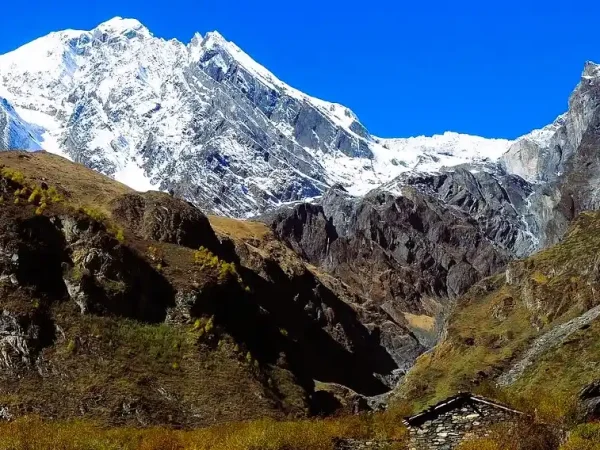
- Up-close views of the Dhaulagiri massif — starting right at the foothills of the world's 7th-highest peak (8,167 m), plus sightlines to Gurja Himal (7,193 m) and Churen Himal (7,371 m) throughout the trek.
- Authentic multi-ethnic village life — the route passes through Magar, Dalit, and Chhantyal communities in Mudi and Gurja, with stone houses, homestay hospitality, and local dishes like phapar (buckwheat) porridge and wild mushrooms.
- Jaljala's alpine plateau at ~3,400 m — open grasslands with sweeping sunrise/sunset views of Sisne, Putha, Gurja, Dhaulagiri, Nilgiri, Annapurna, Machhapuchhre, and Manaslu all in one panorama.
- A gateway to a much larger circuit — connections onward to Dhorpatan (Baglung) and Maikot (Rukum East) mean this trail could eventually link three districts into one extended Dhaulagiri-Dolpa-Rukum trekking network.
Overview
Nepal’s Newest “Virgin Trail” in the Heart of the Dhaulagiri Himalaya
A brand-new 5-day trekking route through Myagdi district is set to open in the upcoming winter season, offering trekkers a rare chance to explore one of Nepal’s last untouched Himalayan corridors.
Overview: A Virgin Trail in Myagdi District
Tucked away in Nepal’s Gandaki Province, Dhaulagiri Rural Municipality in Myagdi district is preparing to unveil an entirely new trekking trail — one that has never before been formally developed for tourism. Starting from Mudi village, the route winds through the remote and culturally rich Gurja village before concluding at the scenic highland plateau of Jaljala. Local authorities and trekking planners are calling it a genuine “Virgin Trail” — a route with no prior trekking infrastructure, no crowds, and no beaten path, making it one of the most exciting new additions to Nepal’s growing list of off-the-beaten-path trekking destinations.
The plan is to formally launch the route in time for the upcoming winter trekking season, giving adventure travelers, trekking agencies, and independent hikers a fresh alternative to Nepal’s more crowded classic routes like Annapurna and Everest Base Camp.
Trek Route: Mudi – Gurja – Jaljala (5 Days)
The proposed itinerary covers approximately 5 days of trekking, passing through:
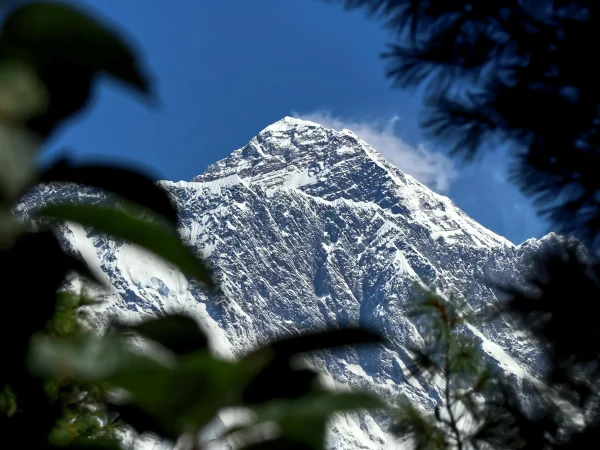
- Mudi (Dhaulagiri Rural Municipality-4) — the starting point, a Magar and Dalit village at the foothills of the mighty Dhaulagiri massif (8,167m), the seventh-highest mountain on Earth. Mudi also serves as a gateway to the Dhaulagiri Circuit and Gurja Himal trekking routes.
- Gurja village (Ward No. 1) — often described as a “hidden village,” home to the minority Chhantyal community alongside Dalit residents, offering an authentic glimpse into some of Nepal’s lesser-known ethnic traditions and lifestyles.
- Rughachaur — a remote high-altitude area that falls within the Dhorpatan Hunting Reserve, Nepal’s only hunting reserve and a haven of biodiversity.
- Jaljala (Ward No. 2) — the trail’s endpoint, a high-altitude plateau known for open grasslands, ever-changing weather, cool alpine climate, and sweeping panoramic views of peaks including Sisne, Putha, Gurja, Dhaulagiri, Nilgiri, Annapurna, Machhapuchhre, and Manaslu.
From Jaljala, the trail network further connects onward to Dhorpatan in Baglung district and Maikot (Mukot) in Eastern Rukum district, effectively linking three districts — Myagdi, Baglung, and Rukum East — into a single extended trekking corridor. This opens future possibilities for longer, multi-district trekking circuits connecting the Dhaulagiri region with Dolpa and the Rukum-Rolpa highlands.
Government Support and Infrastructure Development
Nepal’s Ministry of Tourism, along with the Department of Tourism, is backing the initiative. Planned infrastructure improvements — critical for opening a previously unmarked wilderness route to trekkers — include:
- Trail construction through difficult and high-risk terrain
- Safety railings on exposed and cliffside sections
- Resting shelters (chautaris) for trekkers along the route
- Suspension bridges across rivers and gorges in hard-to-cross sections
A feasibility study has reportedly been carried out with support from the Department of Tourism, and local leadership — including Myagdi’s own parliamentary representation — has been actively pushing the project forward. Local communities in Mudi, Gurja, and along the route have been encouraged to prepare for the arrival of trekkers, homestay guests, and researchers once the trail officially opens.
Why This New Trekking Route Matters
1. Untouched Himalayan Wilderness
Because the trail has never been developed for tourism, trekkers can expect a true wilderness experience — dense forests, alpine meadows, glacial terrain, and panoramic mountain views without the crowds found on Nepal’s more established routes.
2. Rich Cultural Diversity
The route passes through villages inhabited by Magar, Dalit, and Chhantyal communities, each with distinct customs, architecture, and cuisine — including stone houses, hanging corn, homestay hospitality, and traditional dishes like local chicken, goat meat, wild mushrooms, sprouted vegetables, bean lentils, millet dishes, and buckwheat (phapar) porridge.
3. Access to the Dhorpatan Hunting Reserve
Part of the trail runs through or near the Dhorpatan Hunting Reserve, Nepal’s only designated hunting reserve, known for rare wildlife such as blue sheep, and in the wider Mudi–Muna area, even red pandas and Chirkali birds, adding strong ecotourism value to the region.
4. Mountain Views
Trekkers can expect uninterrupted views of the Dhaulagiri, Gurja Himal, Annapurna, Nilgiri, Churen, Putha, Sisne, and Manaslu ranges, making this one of the most visually rewarding new routes in western Nepal.
5. Gateway to Bigger Circuits
With connections toward Dhorpatan (Baglung) and Maikot (Rukum East), this new trail could eventually form part of a larger multi-day circuit linking the Dhaulagiri Himalaya with the Dolpa and Rukum regions — a dream route for serious trekkers seeking Nepal’s wildest corners.
Getting There
- Beni, the headquarters of Myagdi district, is the usual gateway for the region.
- From Beni, Mudi is reachable via a roughly three-hour drive followed by a further stretch by motorcycle or jeep along a mountain road (around 47 km).
- Jaljala itself can also be reached via jeep or motorcycle from Pakhathar (Dhorpatan) or from Muna, the administrative center of Dhaulagiri Rural Municipality.
Best Season to Trek
While the route is being planned to officially open from the upcoming winter season, trekkers interested in high-altitude grassland scenery, clear mountain visibility, and cooler temperatures should also consider autumn (September–November) and spring (March–May) as ideal windows, once the trail is developed, for the best combination of weather stability and blooming rhododendron forests typical of this part of the Dhaulagiri region.
Local Preparedness
Homestays are already emerging in villages like Mudi, with basic lodging and home-cooked meals for visitors. As the trekking route develops, local communities across Mudi, Gurja, Rughachaur, and Jaljala are being urged to prepare guesthouses, trail-side services, and hospitality infrastructure to accommodate the anticipated rise in domestic and international trekkers.
Final Thoughts
The Mudi–Gurja–Jaljala trekking trail represents a rare opportunity in Nepal’s tourism landscape: a genuinely new, largely unexplored trekking corridor in the shadow of Dhaulagiri, rich in culture, biodiversity, and mountain scenery. As infrastructure work — trail construction, railings, shelters, and suspension bridges — moves forward with government support, this Virgin Trail is poised to become one of Nepal’s most compelling new additions for adventurous trekkers seeking authentic, less-traveled Himalayan experiences.
Planning to explore Myagdi’s hidden trails? Keep an eye on official announcements from Dhaulagiri Rural Municipality and Nepal’s Department of Tourism for the confirmed opening date and permit requirements ahead of the coming winter trekking season.