
Nepal has no shortage of trekking routes, and every one of them earns its reputation in its own way. But after years of guiding trekkers through the Himalayas, I keep coming back to one trail when someone asks me for a recommendation that’s a little off the tourist map: the Manaslu Circuit Trek.
This route circles Mt. Manaslu, the world’s eighth-highest peak, taking you through the Manaslu Conservation Area and some of the most untouched village life left in the Nepal Himalaya. It combines big mountain views, genuine cultural immersion, and a trail that hasn’t been flattened by mass tourism. If you’re weighing your options for a Himalayan trek, here’s why Manaslu deserves a serious look — and everything you need to know before you commit.
1. Wild, Varied Terrain and Ever-Changing Mountain Views
What sets Manaslu apart isn’t just one great viewpoint — it’s the sheer variety packed into a single trek. You’ll pass glacial lakes, dense forest, and high alpine terrain, with wildlife sightings becoming more frequent as you gain elevation. Keep an eye out for blue sheep (bharal), Himalayan tahr, and pika; snow leopards live here too, though spotting one is rare given how well they blend into the landscape.
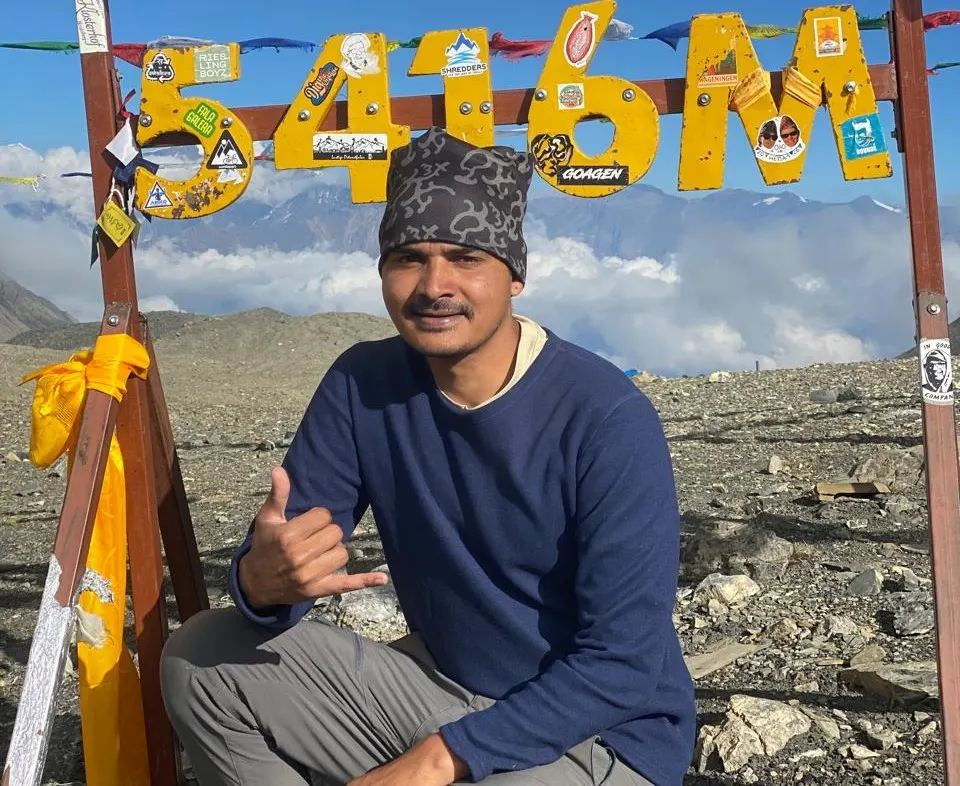
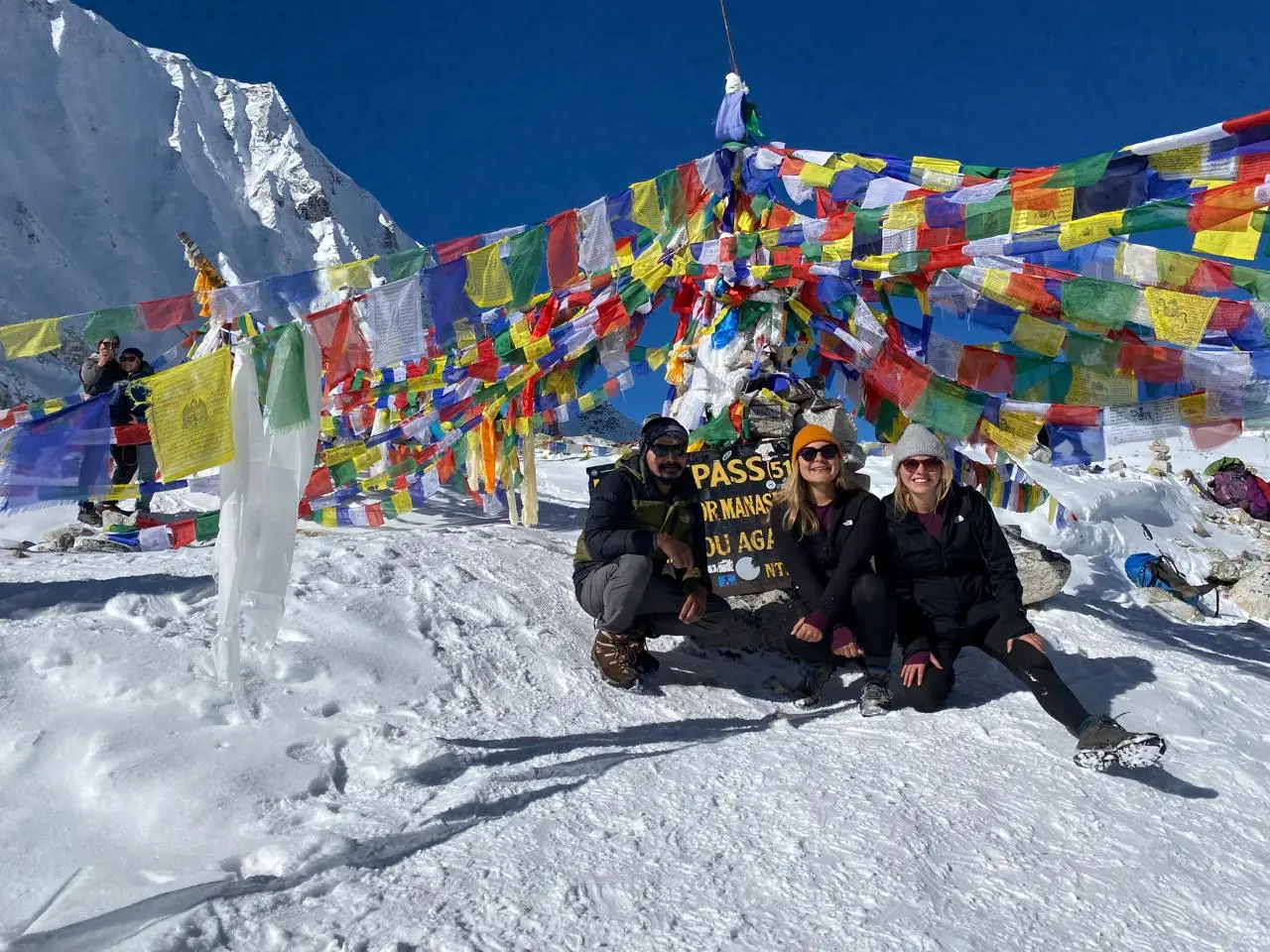
Mt. Manaslu itself seems to change shape as you move around it. From Lho, it appears as a single dominant summit. From Samdo, it narrows into a sharp triangular peak. And from Larkya La Pass — the trek’s highest point at 5,160 m (16,752 ft) — you get a full panoramic payoff, with Ganesh Himal, Himlung Himal, Cheo Himal, and even glimpses of the Annapurna range all visible from the same ridge.
2. Remote Villages and Genuinely Quiet Trails
If solitude matters to you, this is where Manaslu really delivers. The route winds through scattered settlements that feel like they’ve barely changed in decades, giving you a window into daily life among several different ethnic communities.
Compared to the Everest Base Camp Trek or Annapurna Base Camp Trek, Manaslu sees a fraction of the foot traffic. October is the busiest month here, but even then, you won’t encounter the crowds that pile up on the more famous routes. For trekkers who want mountain scenery without a line of trekking poles ahead of them on the trail, this is one of the best remaining options in Nepal.
3. Rich, Layered Cultural Experience
The cultural shift along this trail is one of its biggest draws. As you climb from the lower valleys to higher altitude, you move from a Hindu-influenced region — home mainly to Ghale and Gurung communities — into areas shaped by Tibetan Buddhist and Bon traditions.
Along the way, expect to pass prayer wheels, mani walls, chortens, and monasteries almost daily — nearly every village has at least one. Local greetings shift from “Namaste” to “Tashi Delek” as you go higher, and teahouse menus start featuring butter tea and dried yak meat. Don’t miss Ribung Gompa in Lho and Pungyen Gompa in Samagaon, two monasteries with real historical weight in this region.
4. Moderately Challenging, But Well-Managed and Safe
This isn’t a walk in the park, but it’s also not reserved for elite mountaineers. Expect roughly 6–7 hours of walking a day over multiple weeks, with a high pass crossing near the end. Moderate fitness and some prior trekking experience help, but the trail is achievable for a reasonably fit beginner who prepares in advance.
Acclimatization is built into a well-planned itinerary, which is the single best defense against altitude sickness on this route. Pace yourself, rest when scheduled, watch your hygiene, and carry water purification tablets or drops. It’s also worth knowing that the trail — badly damaged in the 2015 earthquake — has since been fully restored, with teahouses and paths rebuilt and safely operating again.
5. Better Value Than the Big-Name Treks
Trekking costs in Nepal vary by season, group size, and trip length, but food and accommodation pricing tends to follow a similar pattern across regions. On Manaslu, overall costs run noticeably lower than on Everest Base Camp or Annapurna Base Camp treks, even though prices for food do rise as you climb (a normal consequence of harder transport logistics at altitude).
Teahouse accommodation is simple but adequate, and camping is no longer necessary — the growing number of teahouses along the route means you get a warm bed most nights without needing to haul in your own gear.
Practical Planning Notes
Best Time to Trek Manaslu Circuit
- Autumn (September–November) and spring (March–May) are the ideal windows — stable weather and clear mountain views.
- Winter brings harsh cold at altitude; monsoon season makes trails slippery and views unreliable. Both are best avoided.
Permits Required
Manaslu is a restricted region, meaning solo trekking isn’t allowed — you’ll need to travel in a group of at least two, accompanied by a licensed trekking guide. Permits include:
- Manaslu Conservation Area Permit (under the National Trust for Nature Conservation): approx. NPR 2,000 (~US$20)
- Restricted Area Permit (Ministry of Culture, Tourism, and Civil Aviation): US$75 per week, plus US$10 for each additional day
- TIMS card: an extra NPR 2,000 if your itinerary extends into the Annapurna region
Planning Your Trip
If you’re trekking solo and need to join a group, pre-set itineraries through a registered local operator are the simplest route in. Tailor-made itineraries are also worth exploring if you want more control over pacing, side trips, or trip length — a good local trekking agency can build this around your schedule and fitness level.
Manaslu Circuit Trek Itinerary (Typical 14–17 Days)
Most operators build the trek around this rough structure, with buffer days built in for acclimatization and weather:
| Day | Route | Altitude |
| 1 | Kathmandu to Soti Khola (drive) | 700 m |
| 2 | Soti Khola to Machha Khola | 869 m |
| 3 | Machha Khola to Jagat | 1,410 m |
| 4 | Jagat to Deng | 1,860 m |
| 5 | Deng to Namrung | 2,630 m |
| 6 | Namrung to Lho | 3,180 m |
| 7 | Lho to Samagaon | 3,530 m |
| 8 | Acclimatization day in Samagaon | 3,530 m |
| 9 | Samagaon to Samdo | 3,875 m |
| 10 | Acclimatization / side trip from Samdo | 3,875 m |
| 11 | Samdo to Dharamsala (Larkya Phedi) | 4,470 m |
| 12 | Dharamsala over Larkya La Pass to Bimthang | 5,160 m (pass) / 3,720 m |
| 13 | Bimthang to Dharapani | 1,960 m |
| 14 | Dharapani to Kathmandu (drive via Besisahar) | 1,400 m |
Add 2–3 extra days as a buffer for weather delays around the pass crossing, and consider extending into the Annapurna region if you have the time and the extra TIMS permit.
Difficulty and Fitness Requirements
| Factor | Detail |
| Grade | Moderate to challenging |
| Daily walking time | 5–7 hours |
| Max altitude | 5,160 m (Larkya La Pass) |
| Trekking days | 14–17 |
| Prior experience | Helpful, not mandatory |
| Fitness prep | 4–6 weeks of cardio and stair/hill training recommended |
The trek doesn’t demand technical climbing skills, but the pass-crossing day is long and cold, often starting before dawn. Good acclimatization habits matter more than raw fitness.
Estimated Cost Breakdown
| Item | Approximate Cost |
| Manaslu Conservation Area Permit | US$20 (NPR ~2,000) |
| Restricted Area Permit | US$75/week + US$10/extra day |
| TIMS card (if extending to Annapurna) | NPR ~2,000 |
| Guide (per day) | US$25–35 |
| Porter (per day) | US$18–25 |
| Teahouse accommodation | US$5–10/night |
| Meals | US$20–30/day (rises with altitude) |
| Domestic transport (Kathmandu–Soti Khola–Dharapani–Kathmandu) | US$60–150 depending on private vs. shared jeep |
A full guided package, all-inclusive, typically runs somewhere in the US$900–1,600 range depending on group size, season, and service level — still noticeably cheaper than a comparable Everest Base Camp package.
How to Get to the Manaslu Trailhead
The trek begins with a road journey from Kathmandu to Soti Khola (or Machha Khola), roughly 7–9 hours by jeep or local bus. Most trekkers arrange this as a private jeep for comfort, though shared transport is cheaper. The trek ends at Dharapani or Besisahar, both connected back to Kathmandu by road — a drive of similar length.
Altitude Sickness: What to Know
Altitude sickness (AMS) becomes a real risk above 3,000 m, and the Manaslu route climbs well past that before the Larkya La crossing. A few practical points:
- Symptoms include headache, nausea, dizziness, and loss of appetite — mild versions are common and manageable.
- Prevention relies on gradual ascent, the built-in acclimatization days at Samagaon and Samdo, staying hydrated, and avoiding alcohol at altitude.
- Escalation: if symptoms worsen or don’t improve with rest, descending immediately is the only reliable treatment — don’t push through to the pass.
- A licensed guide will monitor this daily; it’s one of the strongest arguments for not attempting this route without one, permits aside.
Packing List Essentials
- Layers: base layers, fleece or down mid-layer, waterproof/windproof outer shell
- Footwear: broken-in trekking boots, camp shoes, wool socks
- Sleep gear: four-season sleeping bag (teahouses get cold above 3,500 m)
- Accessories: sun hat, warm hat, gloves, sunglasses (UV protection is serious at altitude), buff/scarf
- Health: water purification tablets or a filter/steripen, personal first-aid kit, diamox (consult a doctor before your trip)
- Practical: headlamp with spare batteries, trekking poles, power bank (charging costs extra at teahouses), cash in NPR (no ATMs beyond Machha Khola)
- Documents: passport copies, permit paperwork, travel insurance details (must cover high-altitude trekking and emergency evacuation)
Manaslu vs. Everest Base Camp vs. Annapurna Base Camp
| Manaslu Circuit | Everest Base Camp | Annapurna Base Camp | |
| Max altitude | 5,160 m | 5,364 m | 4,130 m |
| Duration | 14–17 days | 12–14 days | 7–12 days |
| Crowds | Low | High | High |
| Guide required | Yes (restricted area) | No (but recommended) | No (but recommended) |
| Relative cost | Lower | Higher | Moderate |
| Cultural focus | Strong (Tibetan-influenced villages) | Strong (Sherpa culture) | Moderate |
Frequently Asked Questions
Is the Manaslu Circuit Trek harder than Everest Base Camp?
The two are comparable in physical demand, but Manaslu’s Larkya La Pass crossing (5,160 m) is a harder single day than anything on the standard EBC route.
Do I need a guide for the Manaslu Circuit Trek?
Yes. Because Manaslu is a restricted area, you’re legally required to trek with a licensed guide and in a group of at least two.
What is the best season for the Manaslu Circuit Trek?
Autumn (September–November) and spring (March–May) offer the clearest skies and most stable trail conditions.
How much does the Manaslu Circuit Trek cost?
Budget roughly US$900–1,600 for a full guided package, including permits, guide, accommodation, and meals — less than typical Everest Base Camp pricing.
Can beginners do the Manaslu Circuit Trek?
Yes, with adequate preparation. It’s rated moderate to challenging, so a few weeks of cardio training beforehand makes a real difference
Bottom line: If you want Himalayan scale and drama without the crowds of Everest or Annapurna, plus a deeper cultural experience and a friendlier price tag, the Manaslu Circuit Trek is one of the strongest choices in Nepal right now.
Ready to plan your trek? Visit View Nepal Trek offers both fixed-departure and fully tailor-made Manaslu Circuit itineraries, with experienced local guides available year-round. Reach out to our team anytime to start planning.
Best Treks in Manaslu
| Manaslu Tsum Valley Trek – 13 Days | 13 Days | Contact Us |
| Manaslu Circuit Trek – 12 Days | 12 Days | Contact Us |
| Tsum Valley with Manaslu Trek | 20 Days | Contact Us |
Need Help? / Call Us
+977-9845548583 or Chat with us on WhatsApp
Ask a Question?