
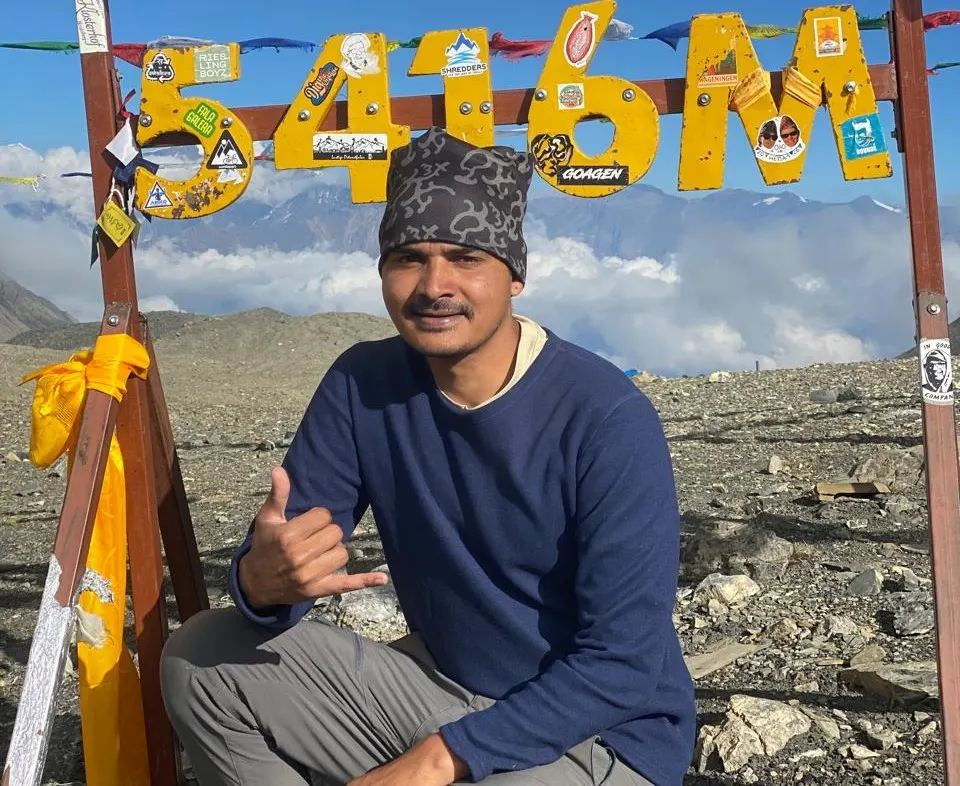
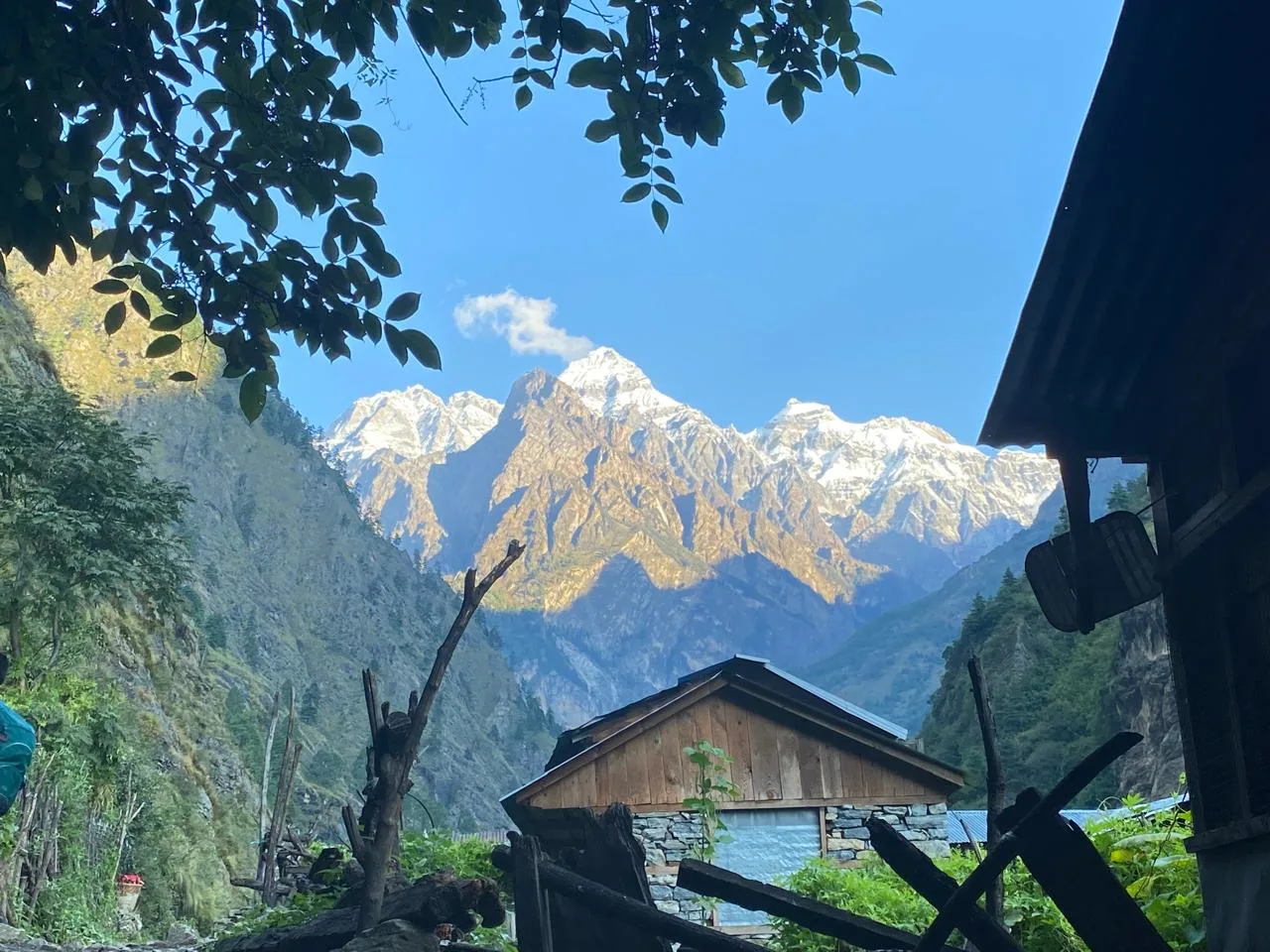
If you’re looking for a Himalayan adventure that still feels wild and undiscovered, the Manaslu Circuit Trek is exactly that. Tucked away from the busier trails of Everest and Annapurna, this route takes you deep into the shadow of Mt. Manaslu — the world’s eighth-highest peak at 8,163 meters — through some of the most remote and culturally rich terrain in Nepal.
We start the trek at Machhakhola (869m) and finish at Dharapani (1,860m), covering roughly 177–180 km of trail. Along the way, you’ll cross the legendary Larke Pass (5,106m), the highest point of the journey and one of the most rewarding moments of the whole trek. Expect the trail to shift constantly beneath your feet — from lush subtropical forest in the lower villages to stark, high-altitude landscapes near the pass — with Tibetan-influenced settlements offering a glimpse into a culture that’s remained largely untouched by mass tourism. On clear days, Manaslu, Himal Chuli, Ngadi Chuli, and Annapurna II dominate the skyline.
This is a teahouse trek, meaning you’ll have a warm bed and hot meal waiting at the end of each day’s walk — think classic Nepali dal bhat, Tibetan bread, noodle soups, and simple Western comfort food when you need it. It’s a real adventure, but you won’t be roughing it with a tent.
A few permits are required before you set out: the Manaslu Conservation Area Permit (MCAP), Annapurna Conservation Area Permit (ACAP), and a Restricted Area Permit for Tsum Valley if you’re planning to explore that side trip. We always sort these out in advance for our trekkers.
As for timing — spring (March to May) and autumn (September to November) are your best bets. That’s when the skies clear up and the mountain views become the kind you’ll be talking about for years.
| Manaslu Tsum Valley Trek – 13 Days Trekking in Nepal From To US$ 815 Save US$ 310 | 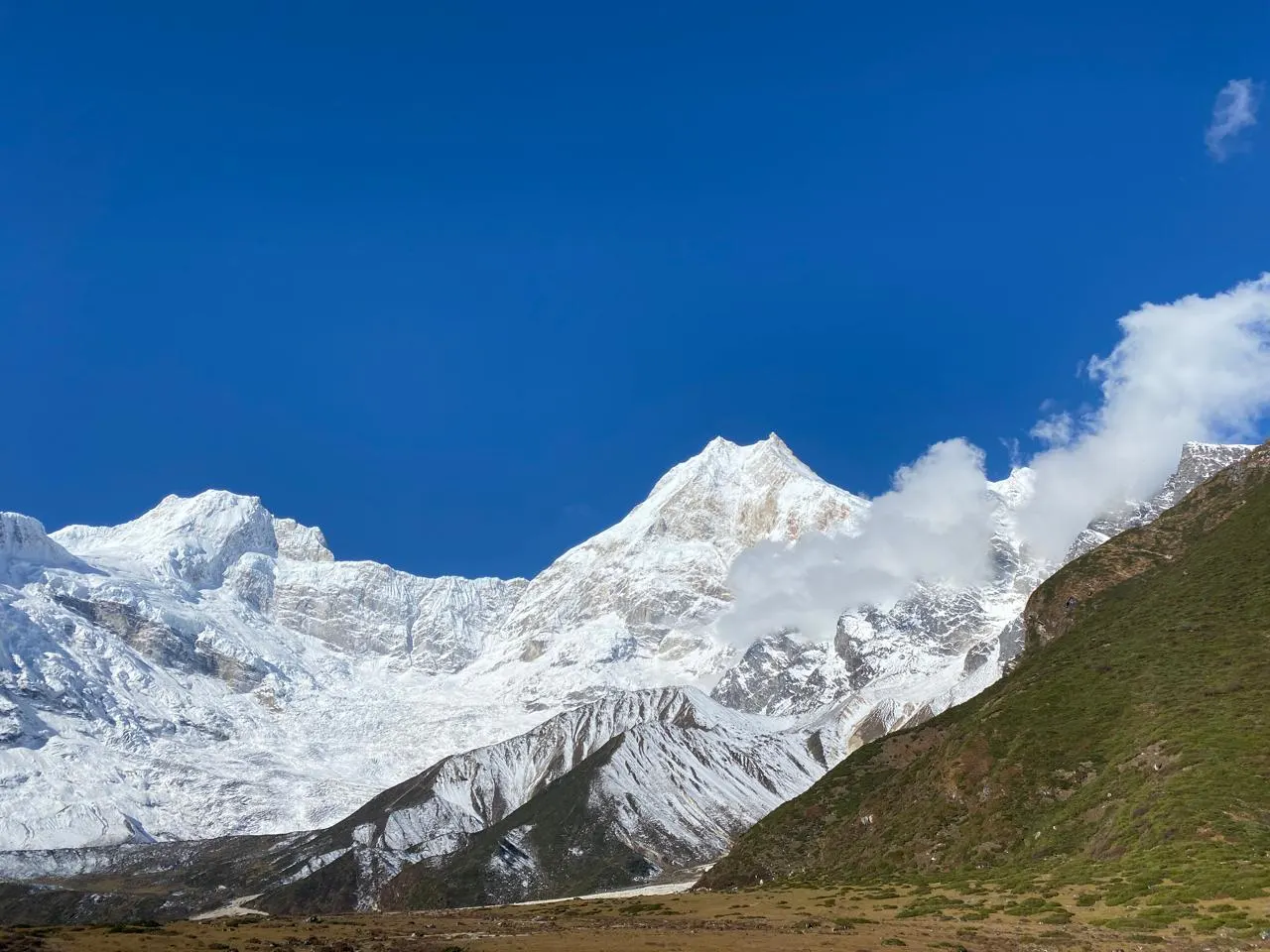 View Trip |
Read our blog posts related to Manaslu Circuit Trek
1. How difficult is the Manaslu Circuit Trek?
We’ll be straight with you — this isn’t a beginner’s trek. You’ll want a solid base of fitness and ideally some prior trekking experience under your belt before taking this one on. Long walking days, steep climbs, altitudes well above 5,000m, and weather that can change its mind in an hour all add up to a moderate-to-difficult trek. It’s absolutely doable if you prepare right, but don’t underestimate it.
2. How many kilometers is the Manaslu Circuit Trek?
The full circuit runs about 180 km, starting from Machhakhola or Sotikhola and ending in Dharapani, with Larke Pass as the big crossing in between. Most of our trekkers complete it in 12–15 days, walking roughly 6–8 hours a day and covering somewhere between 12–15 km daily. It’s a steady rhythm, not a race.
3. What permits do I need for the Manaslu Circuit Trek?
Here’s what you’ll need to have sorted before you hit the trail:
- Manaslu Restricted Area Permit – $75 for the first 7 days during September–November (peak season), then $10/day after that. In the off-season (December–August), it drops to $50 for the first 7 days, then $7/day after.
- Manaslu Conservation Area Permit (MCAP) – around $30
- Annapurna Conservation Area Permit (ACAP) – around $30
- Tsum Valley Local Area Entry Permit – $10, if you’re adding that side trip
- Good news: you won’t need a TIMS card for this particular trek.
We handle all the permit paperwork for our trekkers, so this is one less thing to worry about.
4. What’s the highest point on the Manaslu Circuit?
That’s Larke Pass, sitting at 5,106m — the highlight (and the toughest push) of the whole trek. Before you get there, though, you’ll acclimatize at Samagaon (3,530m), where we build in a rest day. Most trekkers use that day to hike up toward Manaslu Base Camp (4,800m) or Pungyen Gompa to help their bodies adjust. Our honest advice: don’t skip this acclimatization stop. Pushing straight to Larke without it is one of the most common ways trekkers end up dealing with altitude sickness — and it’s completely avoidable with the right pacing.
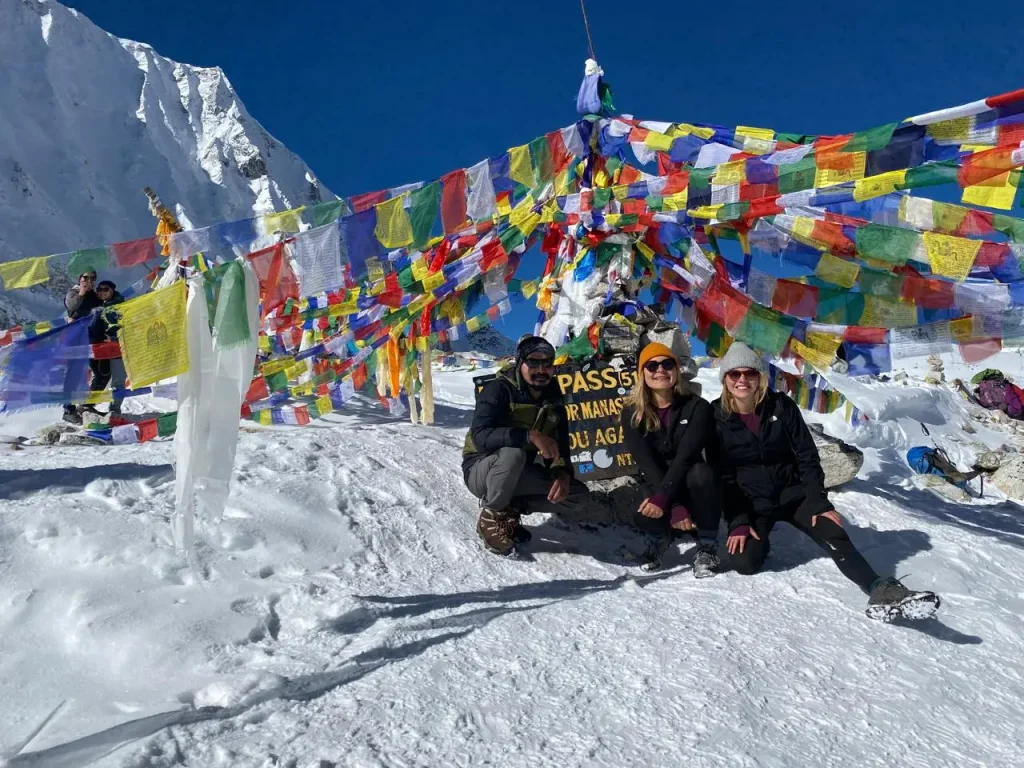
5. What mountain views can I expect on the Manaslu Trek?
This is one of the biggest reasons people fall in love with this route — the mountain scenery is jaw-dropping almost the entire way. Keep your camera handy for:
- Mt. Manaslu – 8,163m, the eighth-highest peak on Earth and the star of the show
- Himalchuli – 7,893m
- Ngadi Chuli – 7,871m
- Shingri Himal – 7,083m
- Annapurna II – 7,937m
These giants pop in and out of view as you move through different villages and viewpoints, so there’s rarely a dull stretch on this trail.
6. What’s the food and accommodation like on the trek?
You’ll be staying in teahouses the whole way — simple, cozy lodges with basic rooms and shared bathrooms. Don’t expect luxury, but you will get a warm bed and a hot meal after a long day of walking, which honestly feels pretty great at altitude.
Food-wise, the menus are fairly consistent lower down: dal bhat, Tibetan bread, momos, pasta, and various soups. The higher you climb, though, the shorter that menu gets — it’s just the nature of getting supplies up to remote villages. One spot to specifically prepare for is Dharmasala (the stop before Larke Pass), where both food and lodging options are very limited and basic. We always give our trekkers a heads-up about this in advance so there are no surprises.
7. When’s the best time to do the Manaslu Circuit Trek?
We recommend spring or autumn, hands down:
- Spring (March–May): Stable weather, blooming rhododendron forests, and gorgeous mountain views. A favorite among our trekkers for the scenery alone.
- Autumn (September–November): This is peak season for a reason — crystal-clear skies and the best mountain visibility of the year.
- Monsoon (June–August) and deep winter (Dec–Feb) are best avoided, thanks to heavy rain and extreme cold at higher elevations.
- That said, if you’re flexible, early December or late February (the shoulder edges of winter) can still work well and come with the bonus of fewer crowds on the trail.
| Manaslu Circuit Trek – 12 Days Trekking in Nepal From To US$ 675 Save US$ 290 | 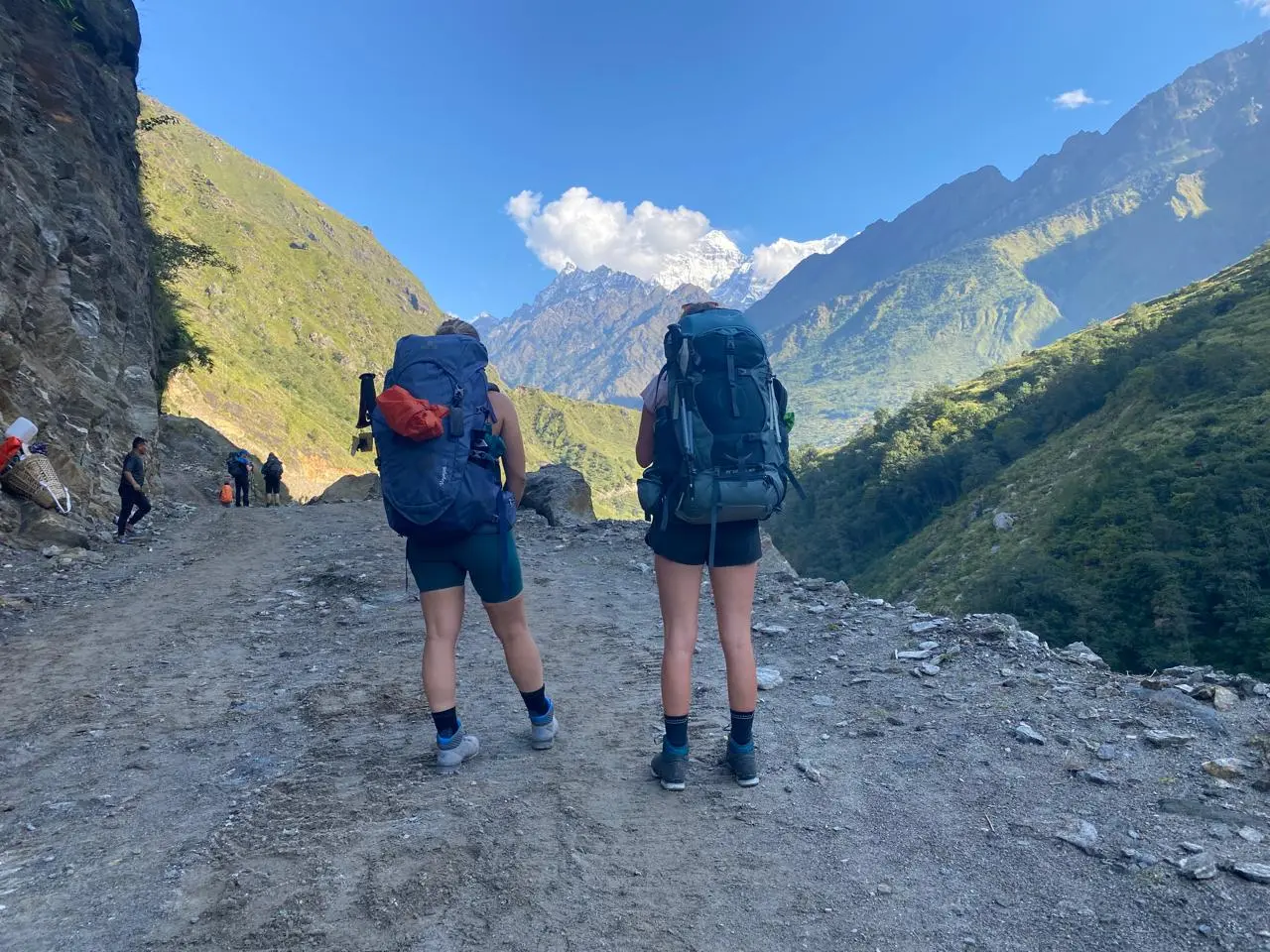 View Trip |
50 Facts About the Manaslu Circuit Trek
Thinking about tackling the Manaslu Circuit? Good call — but before you lace up your boots, here’s everything we tell our own trekkers so you know exactly what you’re signing up for. These are the real, on-the-ground facts that’ll make your trek smoother, safer, and a whole lot more enjoyable.
1. Total Distance: 177–200 km
Depending on the exact route and any side trips you tack on, you’ll cover somewhere between 177 and 200 km over 12–16 days. The trail follows the Budi Gandaki River from Machhakhola, climbs over the legendary Larke Pass at 5,160m, and drops you down into the beautiful Marshyangdi Valley. What makes this trek special isn’t just the distance — it’s the mix of raw Himalayan scenery, Tibetan-influenced culture, and trails that still feel wonderfully uncrowded compared to Everest or Annapurna. Lace up — you’re about to log some serious miles along Nepal’s border with Tibet.
2. Highest Point: Larke Pass (5,160m / 16,930ft)
Larke Pass is the big one — the highest point of the whole circuit and one of the most dramatic crossings in the Himalayas. On a clear day up there, you’re rewarded with sweeping views of Manaslu (8,163m), Himlung Himal (7,126m), Cheo Himal (6,820m), and Annapurna II (7,937m). It’s a tough push — early start, proper acclimatization, and decent fitness are non-negotiable here. This is the moment most trekkers train months for.
3. Where It All Begins: Soti Khola (710m) / Machhakhola (910m)
After the long drive out of Kathmandu, your boots hit the trail at Soti Khola or Machhakhola, right at the edge of the Manaslu Conservation Area in the Gorkha district. From here, you’ll follow the Budi Gandaki River through subtropical forest, terraced farmland, and quiet villages, working your way up toward Larke Pass and eventually down to Dharapani.
4. Where It Ends: Dharapani (1,860m)
The trek wraps up in Dharapani, where the Manaslu trail actually joins the Annapurna Circuit route. From here, it’s a jeep ride to Besisahar and then back to Kathmandu. If you’re not ready for the adventure to end, plenty of trekkers extend their trip and continue onward into the Annapurna Circuit for round two.
5. How Long It Takes: 12–16 Days
Most of our trekkers finish in 12 to 16 days, depending on pace and how many acclimatization days you build in. And trust us — don’t skip those. We always plan rest days around Samagaon (3,530m) and Samdo (3,875m), since proper acclimatization here makes all the difference for what’s ahead. Most trekkers use their Samagaon rest day to explore Pungyen Gompa or hike up toward Manaslu Base Camp for extra altitude adjustment. Pro tip: if you base your acclimatization day in Syala instead, the walk to Pungyen Gompa is noticeably easier.
6. Best Time to Go: Spring (March–May) or Autumn (Sept–Nov)
Spring brings blooming rhododendrons, clearer skies, and comfortable temperatures — a gorgeous time to trek. Autumn is our other top pick, with stable weather and some of the best mountain visibility all year. We’d steer you away from winter (bitterly cold) and monsoon season (slippery, unpredictable trails). That said, early December and late February — the shoulder seasons — can still be a great option if you want fewer crowds.
7. Permits You’ll Need
Since this is a restricted area, you can’t just show up and go — here’s what needs sorting beforehand: Manaslu Restricted Area Permit ($100 for the first 7 days in autumn, $75 in spring), Manaslu Conservation Area Permit ($30), Annapurna Conservation Area Permit ($30), Tsum Valley Local Area Entry Permit ($10, if adding that side valley). TIMS Card is not required for this trek. All of these need to go through a registered trekking agency, so this is one part of the trip we always take off your plate.
8. A Licensed Guide Is Mandatory
This isn’t optional, and honestly, it’s for good reason. Because the Manaslu region is a restricted area, every trekker must be accompanied by a licensed guide. It keeps you safer on remote, high-altitude terrain and also supports the local guiding community that makes this trek possible in the first place.
9. Getting There: The Drive from Kathmandu
Reaching the trailhead at Machhakhola means an 8–10 hour drive covering about 126 km — part smooth highway, part bumpy off-road once you’re past Arughat. On the way back, most trekkers jeep from Dharapani to Besisahar (4–5 hours, 63 km), then continue on to Kathmandu by bus, car, or jeep. Not the most glamorous part of the trip, but it’s all part of the adventure.
10. Where You’ll Sleep: Teahouses All the Way
You’ll be staying in teahouses the entire route — simple twin rooms, warm blankets, shared bathrooms. Nothing fancy, but cozy enough after a big day of walking. Once you get up to Deng, Namrung, Samagaon, and Samdo, rooms get scarcer, so booking ahead during peak season is a smart move. One spot to really prepare for: Dharmasala, where accommodation is minimal and can fill up fast in spring and autumn. Our advice? Pack a solid sleeping bag and extra warm layers, just in case.
11. What You’ll Eat: Dal Bhat, Momos & Tibetan Classics
Dal bhat is the trekker’s fuel of choice out here — rice, lentil soup, vegetables, and pickles, with as many refills as you need. You’ll spot the famous “Dal Bhat Power – 24 Hour” signs all along the trail, and honestly, they’re not wrong. Beyond that, you’ll find noodles, Tibetan bread, momos, pasta, chapati, and potato dishes. Just know that the higher you climb — especially around Samdo and Dharmasala — the pricier meals get, simply because everything has to be carried up by hand or mule. Our tip: toss a few of your favorite snacks in your bag before leaving Kathmandu, just to keep morale (and energy) up.
12. Drinking Water: Boiled or Purified Is the Way to Go
Teahouses sell safe drinking water for $1–4 a liter, with the price climbing as you gain altitude. You can buy bottled or boiled water along the way, but we always recommend bringing a good reusable bottle from Kathmandu and treating water yourself with purification tablets or a SteriPEN. It’s cheaper, better for your gear, and much kinder to the fragile mountain environment — please skip the plastic bottles where you can.
13. Altitude Sickness: Why Acclimatization Days Aren’t Optional
Once you’re above 3,000m, altitude sickness becomes a real factor on this trek — no way around it. That’s exactly why we build in acclimatization stops at Samagaon (3,530m) and Samdo (3,875m) before pushing on toward Larke Pass (5,106m). Keep an eye out for headaches, nausea, dizziness, or shortness of breath — these are your body’s early warning signs. Our golden rules: walk slow, drink plenty of water, and if symptoms start getting worse, head back down before even thinking about tackling the pass. This isn’t a trek to rush.
14. Weather on the Trail: Be Ready for Extremes
Weather here swings hard depending on season and altitude. In winter, temperatures at Larke Pass can plunge to -20°C. Down in the lower valleys, days are pleasant — 10–20°C — but nights cool off fast. And if you’re passing through Larke Phedi, brace yourself: it’s notoriously windy up there. Pack layers, and pack smart.
15. Larke Pass: The Toughest Day of the Whole Trek
This is the day everyone talks about afterward. Sitting at 5,160m, Larke Pass is the trek’s biggest physical challenge. We always start the climb at 3–4 AM, well before the afternoon winds pick up. It takes about 4–5 hours to summit, followed by a steep descent down to Bimthang (3,720m). If there’s snow on the ground, crampons are a must — come prepared, not surprised.
16. A Living Tibetan Buddhist Culture, Not Just Scenery
One of our favorite things about this trek is the culture — it’s not staged for tourists, it’s just… life here. The Manaslu region is home to Tamang, Gurung, and Bhutia communities with deep Tibetan roots, and you’ll pass monasteries, prayer wheels, mani walls, and chortens the whole way through. Villages like Samagaon and Samdo still live by Tibetan Buddhist tradition today. If you’re the curious type, this trek offers a genuine window into that world — take your time in these villages.
17. Manaslu Conservation Area: A Wildlife Haven
The Manaslu Conservation Area spans 1,663 sq km and protects some seriously rare wildlife — snow leopards, Himalayan tahr, red pandas, and blue sheep among them. Lower down, you’ll walk through blooming rhododendron forest, while alpine vegetation takes over above 3,500m. Keep your eyes open — this is one of Nepal’s richest, least-disturbed ecosystems.
18. What “Manaslu” Actually Means
The name comes from the Sanskrit word “Manasa,” meaning soul or spirit — and honestly, once you’re out there, it makes sense. This mountain holds deep spiritual significance for both Hindus and Buddhists. Fun fact for climbers: Manaslu also has one of the highest summit success rates of any 8,000m peak in the world.
19. A Trail That Only Opened in 1991
This region stayed off-limits to foreign trekkers until 1991 — which is exactly why it still feels so untouched today. Once it opened up, word spread quickly about its raw beauty and rich culture, minus the crowds you’d find on Everest or Annapurna. It’s become something of a favorite among European trekkers and solo travelers looking for a wilder, quieter Himalayan experience.
20. Don’t Skip the Side Trip to Pungyen Gompa (4,400m)
If you’ve got the legs for an extra day hike from Samagaon, Pungyen Gompa is worth every step — the views of Manaslu Glacier from up there are stunning. This monastery was actually destroyed by an avalanche years ago and rebuilt since, and it still functions as an active place of worship for Buddhist monks today. It’s a quiet, powerful stop, and one we highly recommend.
21. Samagaon (3,530m): The Biggest Village on the Route
Samagaon is the largest settlement along the entire circuit and doubles as a key acclimatization stop. From here, you’ve got options — visit Ribung Gompa, push up toward Manaslu Base Camp (4,800m) for extra altitude gain, or just take it easy and wander the village itself. All three help your body adjust before the big climb ahead.
22. Samdo (3,875m): Your Last Village Before the Pass
Samdo is a traditional Tibetan village full of yak herders, sitting just a stone’s throw from the Tibetan border. The mountain views here are excellent, and if you’ve got an extra day up your sleeve, the hike to the Tibetan border (5,000m) is a genuinely unique side trip — a chance to see border life and Tibetan culture up close. Worth it if your schedule allows.
23. Dharmasala (4,460m): The Last Stop Before Larke Pass
Also known as Larke Phedi, Dharmasala is your final teahouse stop before the big crossing. Facilities here are basic, and it gets busy fast during peak season. Our advice: book ahead if you can, and pack your own down jacket and sleeping bag just in case — comfort is limited here, but it’s only for one night.
24. Manaslu Base Camp (4,800m): Well Worth the Extra Effort
Many of our trekkers add this side hike from Samagaon, and it’s easy to see why. It’s a solid 4–5 hour climb up, and yes, it’ll test your legs — but the payoff is an up-close view of Manaslu Glacier that’s hard to put into words. Plan for this to eat up most of your day, so treat it as a full workout and pace yourself accordingly.
25. Birendra Lake (3,691m): A Hidden Gem Near Samagaon
Just a short walk from Samagaon, you’ll find Birendra Lake — a stunning turquoise pool fed by glacial melt straight off Mount Manaslu. It’s not just pretty; it’s considered a sacred site by locals, who visit for religious reasons. If you’ve got some spare time during your acclimatization stop, this makes for an easy, rewarding half-day trip.
26. Crossing Suspension Bridges Over the Budi Gandaki
Get ready for a bit of an adrenaline boost — the trail crosses several suspension bridges over the Budi Gandaki River, with the long one near Nyak Phedi being a real highlight. These bridges connect remote villages that would otherwise be completely cut off, and honestly, crossing them is one of the small thrills that makes this trek so memorable.
27. Add the Tsum Valley for an Even Deeper Adventure
Got extra time and want something truly off the beaten path? Combine your Manaslu trek with a side trip into Tsum Valley. This sacred, restricted valley is home to Mu Gompa (3,700m), Rachen Gompa, and Tibetan Buddhist traditions that have barely changed in centuries. We often recommend this add-on to trekkers who want the full “hidden Nepal” experience.
28. Charging Your Devices: Plan Ahead
Electricity is easy to find in the lower villages, but things get trickier once you pass Namrung (2,630m). Above that point, most teahouses rely on solar power and charge $2–5 per hour to juice up your devices. Our tip: bring a portable power bank from Kathmandu — it’ll save you money and hassle.
29. Wi-Fi and Mobile Signal: Don’t Count On It
Phone signal starts getting patchy after Jagat — NCELL and NTC work in a few villages along the way, but don’t expect anything once you’re higher up. Wi-Fi is available in Namrung, Samagaon, and Samdo, though it’ll cost you $5–10 per hour. Our advice: grab an NTC or NCELL SIM card in Kathmandu before you leave, and mentally prepare to disconnect for a while — honestly, it’s part of the charm.
30. Gear Up Properly — This Isn’t a Trek to Under-Pack For
The right gear can make or break your trek. Non-negotiables: warm layers, a sleeping bag rated to -20°C, trekking poles, sunglasses, solid gloves, and a comfortable backpack. If you’re crossing Larke Pass in snowy conditions, throw microspikes or crampons on your packing list too.
31. Hiring a Porter Makes a Real Difference
We always recommend bringing a porter along — they can carry 20–25 kg for you, which takes a huge load (literally) off your trek. In the higher villages, you’ll also see yaks and mules handling supply transport. If you do hire a porter, a tip of 10–15% of their wage is the customary way to say thanks for the hard work.
32. How Hard Is It, Really?
Let’s be honest: this is a moderately difficult to strenuous trek. You’re looking at 5–8 hours of walking most days, covering 12–14 km, with steep climbs and shifting terrain at serious altitude. Prior trekking experience helps, but it’s not mandatory — plenty of reasonably fit first-timers complete this trek successfully with the right training and a smart acclimatization plan. Just don’t go in expecting an easy stroll.
33. Cash Is King — There Are No ATMs on the Trail
Make sure you withdraw enough Nepali Rupees in Kathmandu before you set off, because there are no working ATMs once you’re past Soti Khola or Machhakhola. Bring extra cash for food, lodging, Wi-Fi, charging, and any unexpected costs along the way. Fair warning: don’t count on the ATM at Machhakhola — it’s known to run out of cash or simply not work when you need it most.
34. Respect the Culture: A Few Etiquette Basics
This region’s Buddhist heritage is something to be respected, not just photographed. A few simple habits go a long way: always walk clockwise around mani walls and stupas, take your shoes off before stepping into a monastery, and avoid touching prayer flags or monks without asking first. Modest dress is appreciated too, especially in the smaller villages. Curious about local customs? Ask your guide — they’re usually more than happy to share the stories behind them.
35. Watch Out for Landslides and Snowfall
Weather isn’t just a comfort issue here — it can affect your safety and your itinerary. Monsoon season (June–August) can trigger landslides in the lower Budi Gandaki valley, while winter (December–February) often buries Larke Pass in snow, making it unsafe or impossible to cross. We always recommend checking recent weather and trail conditions before setting out — this is one area where planning ahead really pays off.
36. Catch Sunrise from Larke Pass — It’s Worth the Early Start
If there’s one moment on this trek you shouldn’t sleep through, it’s sunrise at Larke Pass. The early light hits Mt. Manaslu, Kang Guru, and Himlung Himal in shades of gold that are hard to describe — you just have to see it. Bimthang (3,720m) is another favorite for us, offering equally stunning views in the evening light.
37. Ancient Monasteries Worth the Detour
Ribung Gompa, near Samagaon, is one of the oldest monasteries in the region and holds sacred scriptures and relics worth slowing down for. If you’re extending into Tsum Valley, don’t skip Mu Gompa (3,700m) — a monastery with roughly 700 years of history behind it. These aren’t just photo stops; they’re a genuine window into the region’s spiritual life.
38. Avalanche Zones: Know Before You Go
The stretch around Samagaon and Dharmasala can be avalanche-prone, particularly between late winter and spring. This is exactly why trekking with an experienced local guide matters — they know current conditions and can adjust plans if things look risky. Safety always comes before schedule.
39. Warm Up With Tibetan Butter Tea
Once you’re up in the higher villages, you’ll want to try butter tea — a warming Tibetan staple made from yak butter, salt, and tea leaves. It’s an acquired taste for some, but it genuinely helps at altitude. If it’s not your thing, black tea, ginger tea, and masala chai are all easy to find too.
40. Time Your Trek Around a Festival
Trekking in February or March? You might catch Lhosar, the Tibetan New Year, celebrated in Samagaon or Samdo — a great chance to see local culture in full swing. Keep an eye out too for Mani Rimdu, a colorful masked dance festival held at local monasteries. If festivals interest you, it’s worth checking dates in advance and building your trip around them.
41. Gorkha: The Land of Legendary Warriors
This whole region sits in Gorkha district — the birthplace of King Prithvi Narayan Shah, the man who unified Nepal in the 18th century. It’s also home to the Gurkhas, the fearless soldiers whose reputation for courage (including their role in the Anglo-Nepal War) is known worldwide. Walking through this history while trekking adds a whole extra layer to the experience.
42. Where Two Rivers Meet: Dharapani
Dharapani marks a meaningful geographic milestone — it’s where the Budi Gandaki River (which you followed from the very start at Soti Khola) meets the Marshyangdi River, and where the Manaslu and Annapurna Circuit trails converge. A fitting spot to mark the end of one journey, or the start of another if you’re continuing on.
43. Samdo’s Trading Past: The Old Larke Bazaar
Samdo was once home to Larke Bazaar, a historic trading post where Tibetans and Nepalis exchanged salt, wool, and grain. It’s quiet these days, but standing there, you can still feel the weight of centuries of cross-border trade and connection.
44. Off-the-Beaten-Path: Hinang Glacier & Himalchuli Base Camp
Looking for something extra adventurous? From Lihi village (2,920m), a 2-hour side trip takes you to Hinang Glacier and Himalchuli Base Camp (4,020m). It’s a quieter, less-trodden trail with incredible up-close views of Himalchuli (7,893m) and Ngadi Chuli (7,871m) — a great pick for trekkers wanting to go beyond the main route.
45. Dharmasala Again: Book Early or Bring a Backup Plan
Worth repeating — Dharmasala (4,460m) has very few teahouses, and during peak season, they fill up fast. Some trekkers end up in tented camps when rooms run out. Our advice: book ahead where you can, and always carry a reliable sleeping bag and down jacket, just in case you need to rough it for one night.
46. No Real Roads Beyond Machhakhola — And That’s the Point
Unlike Everest or Annapurna, this trek stays refreshingly free of vehicle traffic once you’re past Soti Khola/Machhakhola — part of what makes it feel so pure and untouched. That said, rough roads now reach villages like Jagat, Deng, and Philim, though during monsoon season (June–August) these can become impassable. Worth checking current road and transport conditions before you set off.
47. Camping Options for the Adventurous
While teahouses cover most of the route, camping is available for those wanting a deeper wilderness experience. Side trips to Dharche Danda (3,220m) and Kal Tal (3,780m) are especially beautiful done as camping trips — a great option if you want to slow down and really soak in the remoteness.
48. Quieter Than Everest or Annapurna — By Far
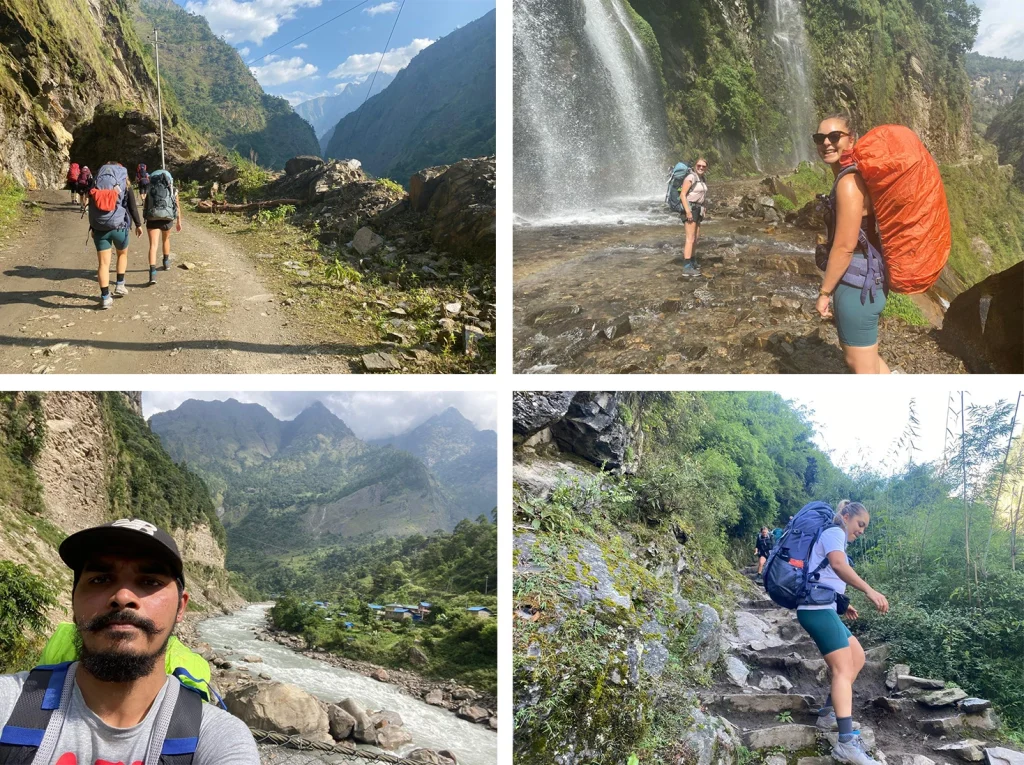
Here’s the honest truth: even during peak season (October–November), the Manaslu Circuit stays remarkably peaceful compared to the crowds you’d find on Everest Base Camp or the Annapurna Circuit. If what you’re after is space, silence, and a genuine sense of discovery, this is the trek that delivers it.
49. Travel Insurance: Non-Negotiable for This Trek
We can’t stress this enough — proper travel insurance is a must for the Manaslu Circuit. This is remote, high-altitude terrain, and things can change fast. Make sure your policy specifically covers emergency helicopter evacuation above 5,000m, since that’s the kind of rescue you’d need if altitude sickness or an injury strikes near Larke Pass. Do yourself a favor and sort out comprehensive coverage before you leave home — it’s one expense you’ll be very glad to have if you ever need it, and one we simply won’t compromise on for our trekkers.
50. Why Manaslu Circuit Might Be Your Best Himalayan Choice Yet
If the Annapurna Circuit has been on your list but you’re craving something a little wilder and a lot less crowded, this is it. The Manaslu Circuit gives you everything that makes a Himalayan trek unforgettable — dramatic mountain scenery, genuine Tibetan Buddhist culture, real adventure, and a level of solitude that’s getting harder to find elsewhere in Nepal. For us, this trail is the complete package, and we think it deserves a spot at the top of your bucket list.
How to Prepare for the Manaslu Circuit Trek
Manaslu is one of the most rewarding treks in Nepal — but it’s also one that demands real preparation. This isn’t a trail to wing it on. Based on what we tell every trekker who books with us, here are the 10 things you genuinely need to sort out before you go, so your trek runs smoothly from day one.
1. Sort Out Your Permits Early
You’ll need three permits for this trek: the Manaslu Restricted Area Permit (MRAP), the Manaslu Conservation Area Permit (MCAP), and the Annapurna Conservation Area Permit (ACAP).
- MRAP: $100 for the first 7 days, then $15/day after that
- MCAP & ACAP: $30 each
One thing to know upfront: because this is a restricted region, you’re required to trek with a licensed guide, and you’ll need a minimum of two trekkers in your group. We handle all of this paperwork for our trekkers, so it’s one less thing on your plate.
2. Build a Smart, Acclimatization-Friendly Itinerary
Plan for 14–16 days on the trail. A typical breakdown looks like this:
- Day 1: Soti Khola (700m)
- Day 5: Namrung (2,630m)
- Day 9: Samagaon (3,530m) — acclimatization day
- Day 12: Larke Pass (5,106m) — the big one, an 8–10 hour push
Going up gradually isn’t just nice to have — it’s your best defense against altitude sickness. Don’t let anyone rush your itinerary to save a day or two.
3. Train Your Body Before You Land in Nepal
Expect 6–8 hours of walking a day over rough, uneven terrain — so the fitter you arrive, the more you’ll actually enjoy it. Here’s what we recommend in the 2–3 months before your trek:
- Cardio: Hiking, running, or cycling, 3–4 times a week
- Strength: Focus on legs (squats, lunges) and core stability
- Practice hikes: Get out on longer hikes with real elevation gain — 1,000m or more — to simulate what’s ahead
4. Pack the Right Gear — No Shortcuts Here
- Footwear: Sturdy, waterproof trekking boots (broken in, not brand new)
- Clothing: A proper layering system — base layer, insulation, waterproof outer shell
- Sleeping bag: Rated for -10°C to -20°C, since nights up high get seriously cold
- Other essentials: Trekking poles, a headlamp, a power bank, and water purification tablets
5. Take Altitude Sickness Seriously
The highest-risk points on this trek are Samagaon (3,530m), Dharmasala (4,460m), and Larke Pass (5,106m). Watch for headaches, nausea, or dizziness — and don’t push through them.
- Acclimatize properly: Use that extra day in Samagaon — it makes a real difference
- Hydrate: Aim for 4–5 liters of water a day
- Medication: Talk to your doctor about carrying Diamox, just in case
6. Arrange Transport and Your Guide in Advance
Getting to the trailhead means a 9–10 hour drive from Kathmandu to Machhakhola over rough roads — part of the adventure, honestly. For your trek team, budget around $30–40/day for a guide and $25–30/day for a porter. Worth every rupee for the safety and support they provide.
7. Carry Enough Cash — There’s No ATM Once You’re On the Trail
Once you’re past Soti Khola, there are no working ATMs, so plan your cash carefully:
- Daily costs: Roughly $30–40 for food and lodging
- Total for the trek: Bring at least $400–500 in cash for a two-week trip
Bring Nepali Rupees specifically — don’t count on cards or foreign currency working out here.
8. Set Your Expectations for Teahouse Life
Accommodation is simple: shared twin rooms with blankets, no heating, and mostly shared squat toilets. Meals revolve around dal bhat, noodles, soup, and Tibetan bread — filling and warm, if not fancy. One heads-up: food and lodging options get especially limited at Dharmasala, so pack accordingly and keep expectations realistic for that one night.
9. Don’t Skip Travel Insurance
This is non-negotiable for us. Make sure your policy covers high-altitude trekking above 5,000m and emergency helicopter evacuation — rescues can run $3,000–5,000, and you don’t want to be figuring out payment mid-crisis. Sort this before you fly to Nepal.
10. Prepare for Nepal’s Mountain Weather to Do Its Own Thing
The best windows for this trek are March–May and September–November. Even then, be ready for surprises — snowfall can hit Larke Pass, and monsoon season brings rain and landslide risk in the lower valleys. Pack solid waterproof gear, and keep your itinerary flexible enough to adjust if the weather has other plans.
Manaslu Circuit Trek: Quick Recap
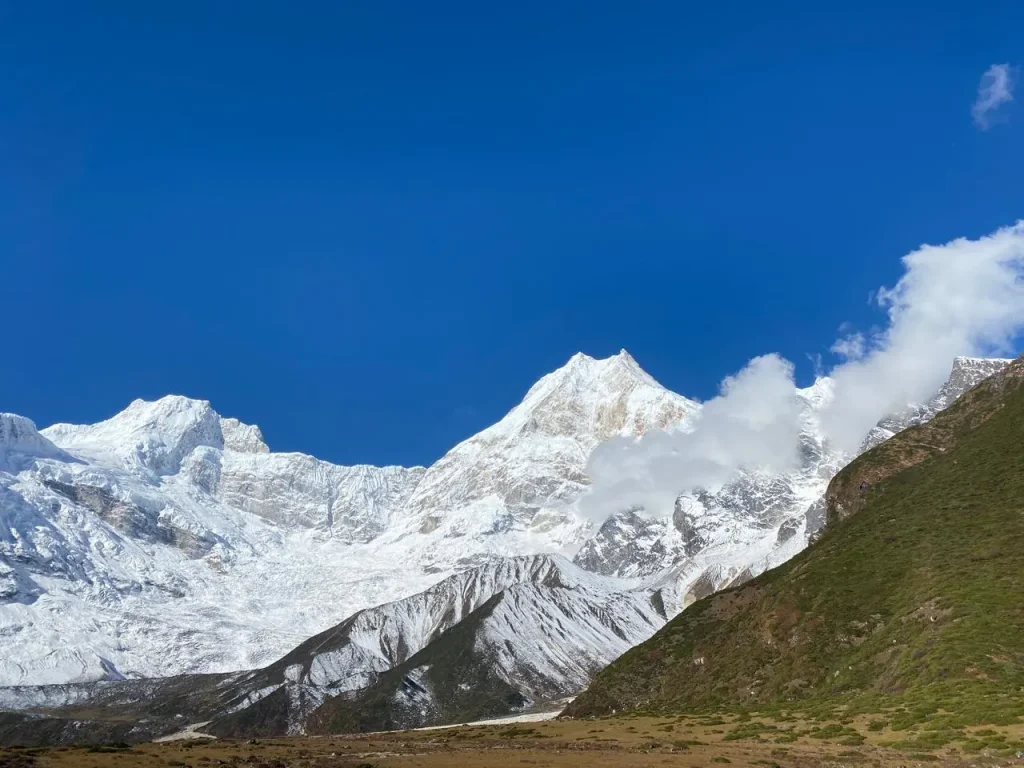
The Manaslu Circuit Trek is every bit as demanding as it is spectacular — and that’s exactly what makes it unforgettable. From the moment you set off in Machhakhola to the moment you stand atop Larke Pass at 5,106m, you’re walking through some of the most remote villages, varied landscapes, and untouched culture Nepal has to offer.
It’s not an easy trek, but with the right preparation — and the right team behind you — it’s absolutely one of the most rewarding journeys in the Himalayas. If you’re ready to take it on, we’re ready to help you get there.
Because this is a restricted region, you’ll need three permits in hand before you go: the Manaslu Restricted Area Permit, the Manaslu Conservation Area Permit, and the Annapurna Conservation Area Permit — we take care of all of this for our trekkers. Expect steep climbs, rugged trail conditions, and real altitude challenges, so decent fitness and proper acclimatization matter here. On the comfort side, you’ll be staying in simple, welcoming teahouses each night, fueled by classic Nepali and Tibetan meals — dal bhat, noodles, momos, Tibetan bread, the works.
The right gear, some training beforehand, and solid travel insurance go a long way toward making this trek both safe and genuinely enjoyable. Few treks in Nepal offer this kind of raw beauty paired with living, breathing culture — it’s a trek we never get tired of leading.
If you’re ready to step into Nepal’s wilder, quieter side of the Himalayas and uncover a side of the mountains most trekkers never see, the Manaslu Circuit is calling — just make sure you prepare well, and the rest falls into place.
Frequently Asked Questions: 20 Quick Answers
1. What exactly is the Manaslu Circuit Trek?
It’s a 12–18 day journey circling Mt. Manaslu, the world’s eighth-highest peak, taking you through remote Himalayan terrain, Tibetan-influenced villages, and dramatic high passes most trekkers never get to see.
2. How long does the trek take?
Most of our trekkers complete it in 14–16 days round-trip from Kathmandu, though it can stretch to 12–18 days depending on your pace and any side trips you add on.
3. What’s the highest point on the trek?
That’s Larke Pass, at 5,106m — the toughest section of the trek, but the views from up there make every step worth it. Just make sure you’re properly acclimatized before attempting the crossing; we cover this in detail elsewhere on our blog.
4. Can I do this trek solo?
You can trek solo, but not unguided — Nepal requires all Manaslu trekkers to book through a registered agency with a licensed guide. It’s a safety rule we fully support and follow.
5. Is a guide really mandatory?
Yes, no exceptions — even solo trekkers need a licensed guide, booked through an agency like Haven Holidays Nepal. It keeps you safe and keeps things above board.
6. What permits will I need?
You’ll need the Manaslu Restricted Area Permit, the Manaslu Conservation Area Permit, and the Annapurna Conservation Area Permit. As of 2026, solo trekkers can still get these through a registered agency — you’ll just need a guide alongside you.
7. When’s the best time to go?
Spring (March–May) or autumn (September–November) — both offer clear, stable weather and safer conditions for crossing the high passes.
8. How hard is this trek, honestly?
Moderately difficult to challenging. Long walking days, rugged terrain, and high altitude all factor in, so decent fitness and proper acclimatization are essential.
9. What does the trek cost?
A standard 14-day package typically runs USD 1,100–1,400 per person, covering permits, guide, food, and accommodation. Reach out to Haven Holidays Nepal for a tailored quote.
10. What should I pack?
Layered clothing, sturdy trekking boots, a down jacket, a warm sleeping bag, trekking poles, rain gear, and altitude sickness medication.
11. Does acclimatization really matter?
Absolutely — it’s one of the most important parts of this trek. That’s why the itinerary builds in rest days along the way, giving your body time to adjust before pushing higher.
12. What’s the accommodation like?
Teahouses the whole way — simple, comfortable, and run by genuinely friendly locals. Rooms get more basic the higher you climb, but you’ll always have a warm bed waiting.
13. Are there cultural highlights along the way?
Definitely. Villages like Samagaon and Samdo offer a real look into Tibetan culture, complete with monasteries and warm local hospitality — one of our favorite parts of this trek.
14. Is the trek safe?
Very safe, provided you trek with a guide and follow standard altitude precautions. The main risk is altitude sickness, which proper acclimatization and good guidance manage well.
15. Can I extend the trek?
Yes — popular add-ons include the Tsum Valley and Manaslu Base Camp, both of which add extra cultural depth and scenery to your trip.
16. What’s the food like?
Hearty and satisfying — dal bhat, fresh bread, noodle soups, and vegetables, all designed to keep your energy up for long trekking days.
17. Do I need travel insurance?
Yes, and we mean comprehensive coverage — high-altitude trekking, emergency evacuation, and trip cancellation should all be included.
18. How should I train beforehand?
Start 2–3 months out with hiking, gym sessions, and stair climbing to build the strength and stamina you’ll need on the trail.
19. What makes this trek stand out?
Its remoteness and authenticity. Compared to Everest or Annapurna, Manaslu sees far fewer trekkers, and its Tibetan culture remains wonderfully intact.
20. How do I book with Haven Holidays Nepal?
Simply reach out through our website or contact our team directly — we’ll handle permits, guides, and all the logistics so you can focus on the adventure ahead.
Need Help? / Call Us
+977-9845548583 or Chat with us on WhatsApp