
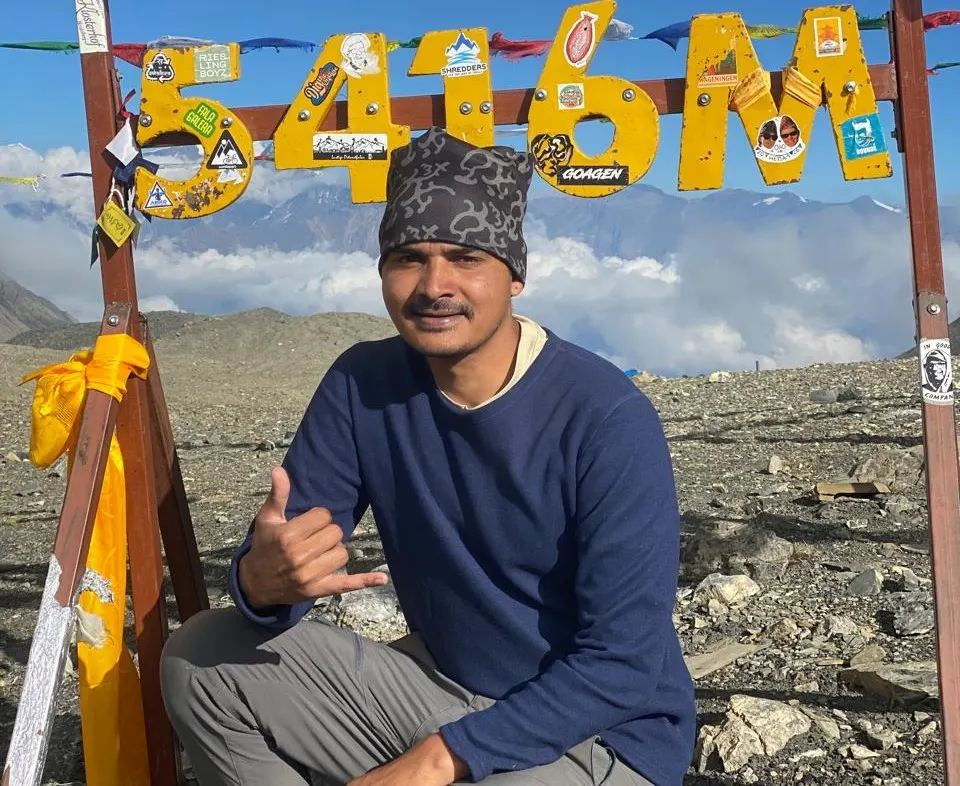
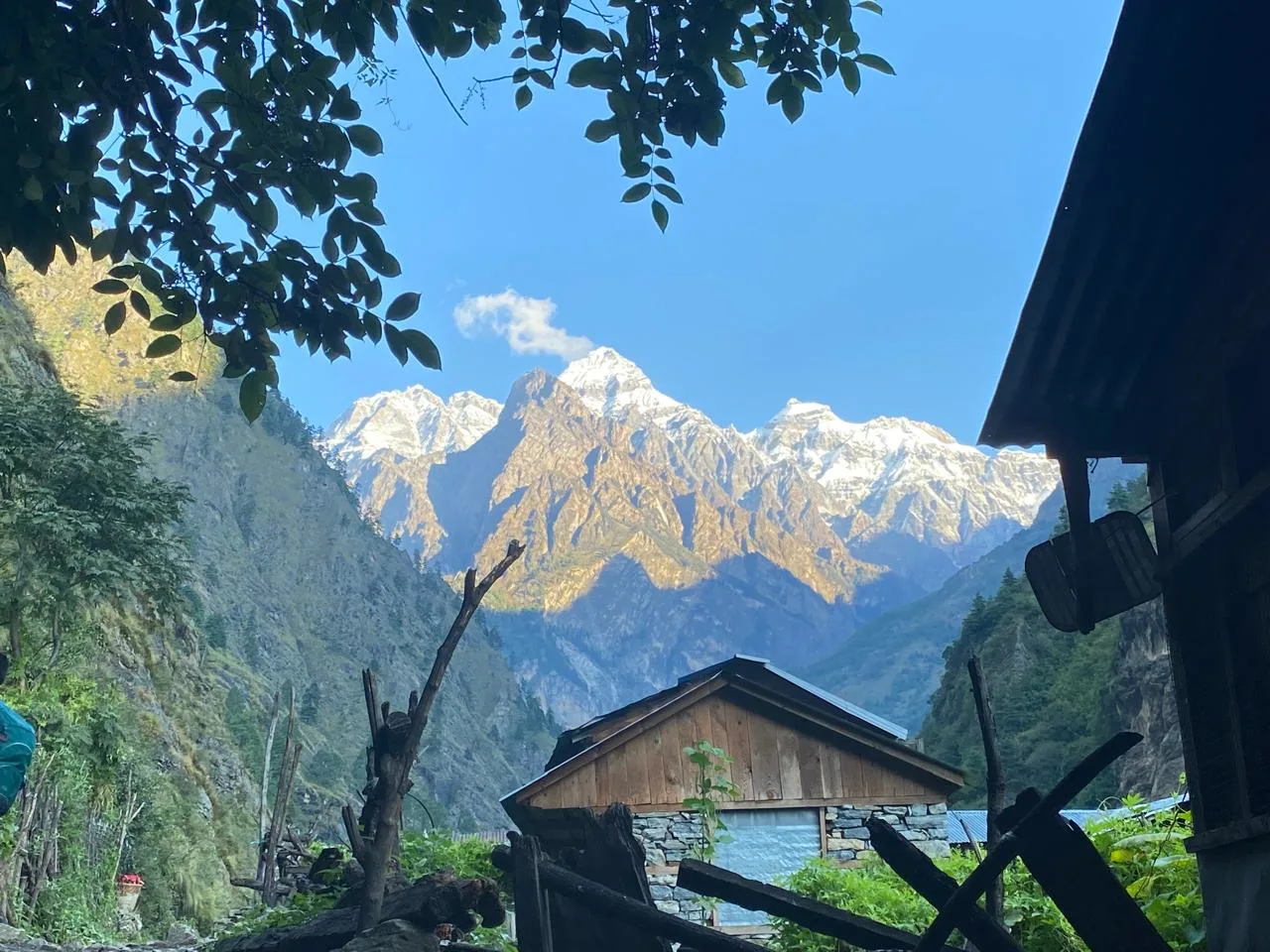
If you’ve spent any time researching treks in Nepal, you’ve probably noticed the same handful of routes coming up again and again. But after years of guiding trekkers through the Gorkha region, I can tell you the Manaslu Circuit Trek deserves a spot at the top of that list — even though it rarely gets the attention it should.
This route circles Mount Manaslu, the world’s eighth-highest peak at 8,163 meters (26,781.5 ft), and winds through the Manaslu Conservation Area — a 1,663-square-kilometer protected zone in the Gorkha district of Gandaki Province. It’s home to snow leopards, musk deer, and Himalayan tahr, and honestly, the wildlife is just one small piece of what makes this trek special.
What Makes the Manaslu Circuit Trek Different
What sets this trek apart isn’t just the mountain views — it’s the sense of remoteness that’s becoming harder to find elsewhere in Nepal. You’ll pass through Tibetan-influenced villages where local traditions haven’t been reshaped by mass tourism.
This trail has a real history behind it, too. It opened to trekkers in 1992, but long before that, it served as a salt trading route between Nepal and Tibet, and you can still feel that legacy in the villages you pass through along the border area.
As of the current trekking rules, solo trekkers can do the Manaslu Circuit, but you’re required to have a licensed trekking guide with you — this isn’t optional, and it’s worth planning for early.
How the Trek Unfolds
Most trekkers start by flying into Kathmandu, where a guide typically meets you at the airport. From there, the journey begins with an early morning drive to Machha Khola, followed by the trek itself — moving through Jagat, Deng, Namrung, and up to Samagaon.
One thing worth knowing: everything up to Jagat falls under what’s called the Lower Manaslu region. Past that point, you’re in Upper Manaslu, and the terrain, culture, and altitude all shift noticeably.
From Samagaon, you’ll head to Samdo for an acclimatization stop before continuing to Dharmasala — the highest overnight stop on the trek at 4,460 m (14,633 ft). After that comes the big crossing at Larkya La Pass, followed by Bimthang, Gho, and finally Dharapani, where a jeep takes you back to Kathmandu.
We break this down into a full day-by-day 13-day itinerary separately, since there’s a lot of ground to cover.
Manaslu Circuit Trek: Key Facts
- Total Duration: 13 days (11 trekking days, 2 driving days)
- Location: Gorkha District, Gandaki Province, Central-Northern Nepal
- Starting Point: Machha Khola (869 m / 2,851 ft)
- Ending Point: Tijle (2,300 m / 7,546 ft)
- Total Distance: Roughly 180 km (111.8 miles)
- Difficulty: Moderate to Challenging
- Highest Point: Larkya La Pass at 5,106 m (16,752 ft)
- Lowest Point: Machha Khola at 869 m (2,851 ft)
- Accommodation Style: Teahouses and guesthouses (camping optional)
- Mountain Views: Manaslu, Ganesh Himal, Himlung, Cheo, Annapurna II, Kang Guru, Himal Chuli, Ngadi Chuli
- Terrain: Deep gorges, cantilever and suspension bridges, alpine valleys, glaciers
- Best Seasons: March–June and September–November
- Food: Vegetarian, vegan, and non-veg options available
- Required Permits: Restricted Area Permit (RAP), Manaslu Conservation Area Permit (MCAP), Annapurna Conservation Area Permit (ACAP), Chum Nubri Rural Municipality Permit
- Transport: Local bus or shared/private jeep
- Toughest Days: Day 7 (hike to Manaslu Base Camp, 4,800 m) and Day 11 (Larkya La Pass crossing)
Trek Highlights Worth Knowing About
- Scenic drive from Kathmandu to Machha Khola through varied landscapes
- Close-up views of Mount Manaslu itself
- Optional hike to Manaslu Base Camp (4,800 m)
- Crossing the Yaru Bagar cantilever bridge and 35+ suspension bridges along the Budhi Gandaki gorge
- The Larkya La Pass crossing at 5,106 m
- Turquoise Birendra Lake near Samagaon
- Wide mountain panoramas including Himalchuli, Ngadi Chuli, Ganesh Himal, and Annapurna II
- Chance encounters with snow leopards and other wildlife in the conservation area
- Visits to monasteries over 200 years old, including the 600–700-year-old Pungyen Monastery
- A side trip to the Tibetan border from Samdo, once a salt trading hub
- Overnight stay in Dharmasala, one of the highest-altitude villages anywhere
- Views of Pungyen, Ponkar, and Larkye glaciers, plus Ponkar Lake
- Option to link up with the Annapurna Circuit at Dharapani
What’s Changed for 2026
A few things have shifted on this route recently, and it’s worth knowing before you go:
Guide requirements: Solo trekkers can now join the Manaslu Circuit as long as they’re accompanied by a licensed guide through a registered trekking company — a change from the stricter group-only rules of the past.
Permits: Requirements haven’t changed, but digital permit tracking and checkpoint monitoring have improved, which generally makes the process smoother.
Access: Lower sections of the route are now easier to reach by shared jeep, depending on road and season conditions, which has shortened the first few trekking days compared to older itineraries.
Trail conditions: The stretch between Machha Khola and Deng/Ghap has improved noticeably, with better bridges and safer bypass trails.
Facilities: Teahouses have upgraded, and Wi-Fi and charging points are now common in most villages, though connectivity can be slow when things get busy. Above Samdo, expect things to stay basic — but the views make up for it.
Weather: Patterns have grown less predictable, with occasional pre-monsoon rain and warmer lower-elevation days early in the trek. At higher altitudes, sudden shifts in wind, snow, and temperature are still the norm, so packing layers matters more than ever.
Why Trek with a Local Team
Booking through a Nepal-based, government-licensed operator makes a real difference on a remote route like this — mainly because local knowledge of trail conditions, weather shifts, and altitude management isn’t something you can fully get from a guidebook.
Things worth looking for in an operator:
- A clear, transparent booking process
- An established safety track record across different seasons
- Guides trained in first aid with real experience on this specific route
- Support with permits, logistics, and transport to and from the trailhead
- Daily briefings and monitoring for altitude sickness symptoms
- Assistance with travel insurance and emergency evacuation coordination if needed
- Flexible itinerary options for solo trekkers or specific group needs
Who Should Consider This Trek
The Manaslu Circuit works well for trekkers who enjoy long walking days and have prior experience above 3,000 meters. It’s not necessarily a beginner’s first Himalayan trek, but with the right preparation and a solid guide, motivated first-timers can manage it too.
If you don’t have a trekking partner, most local operators can help pair you with a group, or arrange the necessary guide support for a solo trek in the region.
Planning matters more on Manaslu than on Nepal’s more established routes — permits need lead time, and acclimatization at Samdo and Dharmasala shouldn’t be rushed. If you’re weighing this against the Annapurna Circuit or other classic routes, feel free to ask about how the two compare.
Who Should Think Twice Before Attempting the Manaslu Circuit Trek
Most healthy adults can take on the Manaslu Circuit Trek, but it’s not the right fit for everyone. Based on what we see season after season, a few groups should reconsider or consult a doctor first:
- People with severe heart or lung conditions, uncontrolled high blood pressure, or a recent surgery
- Anyone with chronic joint problems — the strain of long days at altitude on uneven terrain can make these worse
- Pregnant trekkers
- Anyone who can’t manage several hours of walking a day on rough trails
- Trekkers expecting luxury-level comfort (this isn’t that kind of trip)
- Travelers with very limited time, since the standard Manaslu Circuit Trek itinerary runs 13 days
If none of these apply to you, the trek is very achievable with the right preparation and pacing.
How to Book the Manaslu Circuit Trek with Visit View Nepal Treks
Getting started is straightforward. Reach out through our website, email us at info@visitviewnepaltrek.com, or call to let us know you’re interested.
From there, we’ll send you a full breakdown of the itinerary, pricing, and what’s included, so you know exactly what to expect before committing. Once you’re ready, we confirm your trek dates, share the detailed day-by-day plan, and ask for a deposit to lock in your spot.
Payment is simple — bank transfer and other secure online options are both available. Closer to your departure, we’ll follow up with final trek dates, a packing list, permit details, and a quick check on any health considerations.
Trekking the Manaslu Circuit Solo
Solo trekking is absolutely possible on this route. You’ve got two options: join one of our scheduled group departures, or arrange a private trek with your own dedicated guide.
We guarantee fixed departures once you’ve booked, and we handle all the permit paperwork and documentation required for solo trekkers — one less thing to worry about while you’re planning.
Is It Safe for Solo Female Trekkers?
Yes. Despite Manaslu being a restricted area, it’s a genuinely safe region for women trekking alone. Local communities throughout the Manaslu region are welcoming, and teahouse owners are used to hosting international travelers, including solo women.
One thing to keep in mind: current regulations don’t allow fully unaccompanied solo trekking, so you’ll need a guide regardless. Many solo women trekkers end up connecting with other travelers once they join a group departure, which adds a nice social element to the trip. We’re also happy to help arrange things so you can trek with just your guide if that’s what you prefer.
Family Treks on the Manaslu Circuit
There’s no strict age limit for this trek, which makes it a genuine option for families wanting a Himalayan adventure together. Whether you’re traveling with young kids, as a couple, or as a larger family group, we can tailor the itinerary to fit your needs — adding rest days, adjusting the pace, or shortening certain sections as needed.
Manaslu Circuit Trek for Senior Trekkers
Retirement is actually a great time to take this on, and we work with senior trekkers regularly. Our guides monitor oxygen levels and general health throughout the trek, and we build the itinerary around your fitness level, dietary needs, and personal pace so the experience stays enjoyable rather than exhausting.
A Note on Fixed Departures
Once you’ve signed up, your Manaslu Circuit Trek departure with us is guaranteed — you won’t be left waiting for more people to join. That said, if you’re booked as a solo traveler and no one else joins your specific departure date, a single supplement fee of USD 210 applies.
Best Time to Trek the Manaslu Circuit
Spring (March–June) brings warmer temperatures and rhododendron forests blooming along much of the trail — a genuinely beautiful time to walk this route.
Autumn (September–November) is the other prime window. This coincides with Nepal’s major festival season, and the changing foliage along the trail adds to the scenery. Weather tends to stabilize nicely from October onward, with comfortable daytime temperatures.
Both seasons offer the clearest mountain views and the most reliable trail conditions.
Can You Shorten the Manaslu Circuit Trek?
You can trim the timeline, but you still need to cover the full circuit — there’s no real shortcut around Larkya La Pass. The standard 13-day itinerary can be compressed to around 9-10 days by using faster transport and cutting back on extra acclimatization days.
A shorter version typically looks like this: drive by jeep from Kathmandu straight to Machha Khola, then trek steadily to Samagaon. You’ll still take one acclimatization day at Samagaon before tackling Larkya La Pass — skipping this isn’t recommended regardless of your timeline. The trek wraps up at Dharapani or Besisahar, followed by a jeep ride back to Kathmandu.
This condensed version suits trekkers who are short on time but in solid physical condition. It’s not the move if you’re new to high altitude.
What Recent Trekkers Have Told Us
We regularly check in with trekkers completing the Manaslu Circuit, and a few patterns have come up:
- Temperatures have felt noticeably warmer during the first three days compared to previous years, though conditions return to normal after that — warm days, cold nights, as expected at altitude.
- Concerns about road construction affecting the trekking trails haven’t really materialized. The actual walking trails are separate from vehicle roads in most sections, so the trekking experience stays largely undisturbed.
- In 2025, landslides and flooding disrupted conditions during the early weeks of the season. Things cleared up by October, and the rest of the autumn season trekked beautifully.
What to Expect: Accommodation on the Trail
Teahouses along the Manaslu Circuit are run by local families and built simply — mostly wood or mud construction suited to the mountain terrain. Each one centers around a shared dining room with a wood-burning stove, which becomes the natural gathering spot after a long trekking day.
Rooms are basic: two or three single beds with thin mattresses and blankets. A couple of practical tips from experience — bring your own sleeping bag liner or bedsheet, since bedding cleanliness varies, and pack a proper sleeping bag, as the provided blankets often aren’t warm enough at higher elevations.
Bathrooms are shared and can be either Western-style or traditional squat toilets, depending on the teahouse. Hot showers are usually available but typically cost extra.
Food Along the Manaslu Circuit
In Kathmandu, only breakfast is included in your package (along with a welcome or farewell dinner), so you’re free to explore the city’s food scene on your own for other meals. Once the trek begins, all three daily meals are covered.
Vegetarian, vegan, and non-vegetarian options are all available throughout the route. If you have dietary restrictions or allergies, let us know before departure so we can plan accordingly with teahouse kitchens along the way.
Typical breakfast options: oats, pancakes with honey, bread, eggs (boiled, scrambled, or omelette), muesli, toast, hot tea or coffee, porridge, Tibetan bread, cornflakes with hot milk.
Typical lunch options: dal bhat, fried noodles, chow mein, tenthuk, thukpa, pasta, sandwiches, momos, pizza, fried potatoes.
Typical dinner options: dal bhat (with unlimited refills — a local favorite for good reason), fried rice, chow mein, thukpa, pasta, momos, pizza, soup, salad, and meat curry dishes.
Manaslu Circuit Trek Permits
You’ll need four permits to complete this trek:
- Manaslu Conservation Area Permit (MCAP)
- Restricted Area Permit (RAP)
- Annapurna Conservation Area Permit (ACAP)
- Chum Nubri Rural Municipality Permit — a more recently introduced local permit
Fees collected from these permits go toward conservation work and sustainable tourism development in the region, so there’s a real purpose behind the paperwork.
Getting to the Trailhead and Back to Kathmandu
The trek begins with travel from Kathmandu to Machha Khola. You’ve got two ways to make that trip:
Private Jeep or Hiace
This is the more comfortable option and gives you flexibility — stop for photos, take lunch breaks where you like, and set your own pace along the way. Under good road conditions, expect roughly 6-7 hours of travel, with the ability to start as late as 8:30 AM. No transfers required.
Local Bus
Budget-conscious trekkers often choose this route. You’ll meet at our office by 7 AM, take a taxi to the bus park, and then travel to Machha Khola — a journey of about 9-10 hours, including a bus change along the way.
It’s less comfortable, and you won’t have control over stops, but there’s something worthwhile about the experience — local music, the rhythm of daily life in rural Nepal, and a more authentic feel to the journey.
Our recommendation: private jeep, for comfort and flexibility. Either way, your guide travels with you.
Manaslu Circuit Trek Cost
The Manaslu Circuit Trek package with Visit View Nepal Treks costs $995 per person, covering transportation, meals, accommodation, permits, and guide fees. We lay out exactly what’s included and excluded before you book, so there are no surprises.
A few things influence the final price:
- Group size — larger groups bring the per-person cost down, while solo or private treks cost more due to customized arrangements
- Season — spring and autumn, being peak seasons, tend to run higher; off-season trips can be cheaper but come with less predictable weather
- Accommodation choice — opting for more comfortable lodges over basic teahouses raises the cost
- Guides and porters — hiring additional support staff adds to the total, though it’s often worth it for safety and ease
- Private transport — choosing a private jeep over local buses adds convenience at an extra cost
If you’re weighing your options, feel free to reach out directly — we can help you figure out which package setup fits your budget and comfort level best.
Group Sizes on the Manaslu Circuit Trek
At Visit View Nepal Treks, group size is flexible, and we shape it around what works for you. Our standard joining groups run up to 7 trekkers, and for groups of that size, we assign two guides to keep things running smoothly on the trail.
Traveling with a bigger group? No problem — there’s no upper limit on group size. Just reach out to us directly to sort out the logistics, and we’ll make sure the experience stays well-organized regardless of numbers.
If you’d rather trek privately with just your own guide, that’s easy to arrange too — we’ll build the itinerary around your pace and preferences.
There’s something to be said for trekking in a group, too. Evenings on the Manaslu Circuit often turn into shared moments over tea or coffee, swapping stories about the day’s trail. If you’re someone who enjoys company on the road, group trekking rarely leaves you feeling isolated, even in this remote part of Nepal.
Road Construction Along the Route — What’s Changed
The Manaslu Circuit Trek route has evolved over the past several years, mostly due to ongoing road construction in the lower Gorkha district. Roughly 7-8 years ago, treks started from Aarughat, requiring 3-4 extra walking days just to reach Machha Khola. Today, jeep access goes directly to Machha Khola, cutting that time significantly.
The original classic trail: Soti Khola → Machha Khola → Khorlabesi → Tatopani → Dobhan
A newer alternate route: Soti Khola → Nuban Kharka → Kashigaon → Kerauja → Khorlabesi → Dobhan — slightly longer, but it opens up a few villages that most trekkers never see on the classic line.
The shorter, practical option: Jeep directly to Machha Khola, then walk through Kejaura, Khorlabeshi, and Dobhan. This keeps your time on construction-affected sections to just a few hours while still completing the trek efficiently.
There’s construction currently happening between Nyakphedi and Deng, but this won’t affect your trek since the route doesn’t pass through that stretch.
One more thing worth knowing: flooding at the end of September 2024 damaged the road between Machha Khola and Jagat, so jeep transport through that section isn’t currently possible. This only affects the first couple of trekking days — from there, the trail runs as normal, and since you’re walking rather than driving through the area, it doesn’t create any real safety concern.
Optional Add-Ons for Your Trek
A number of extras can be added to personalize your Manaslu Circuit experience:
- Helicopter return: Ideal if you’re short on time or prefer a faster, more comfortable way back — plus you get incredible aerial views of the Himalayas on the way down.
- Private transport: For Kathmandu sightseeing or the drive to and from the trailhead, private vehicles offer more comfort and flexible timing.
- Side treks: Extend your trip with visits to Tsum Valley, remote Manaslu monasteries, or the Rupina La Pass — all accessible as extensions to the main circuit.
- Extra acclimatization days: We strongly recommend adding these if you want a more comfortable, lower-risk ascent — altitude sickness prevention matters more than shaving off a day or two.
- Kathmandu Valley tour: A great add-on before or after the trek, covering heritage squares, temples, and stupas around the valley.
- Other customizations: Hotel upgrades in Kathmandu, extra porter support, or a fully tailor-made itinerary built around your schedule.
13-Day Manaslu Circuit Trek Itinerary at a Glance
| Day | Route | Distance | Duration | Overnight Altitude | Elevation Change |
| 1 | Drive Kathmandu → Machha Khola | 160 km / 100 mi | 7-8 hrs | 869 m / 2,851 ft | -531 m |
| 2 | Trek Machha Khola → Jagat | 20 km / 12.4 mi | 6-7 hrs | 1,340 m / 4,396 ft | +471 m |
| 3 | Trek Jagat → Deng | 22 km / 13.6 mi | 7-8 hrs | 1,860 m / 6,102 ft | +520 m |
| 4 | Trek Deng → Namrung | 19 km / 13.4 mi | 6-7 hrs | 2,630 m / 8,628 ft | +770 m |
| 5 | Trek Namrung → Shyala Village | 16.5 km / 10.2 mi | 4-5 hrs | 3,500 m / 11,483 ft | +870 m |
| 6 | Trek Shyala → Samagaon via Pungyen Monastery | 17 km / 10.6 mi | 4-5 hrs | 3,530 m / 11,581 ft | +30 m |
| 7 | Rest day, Samagaon — side trip to Manaslu Base Camp (4,800 m) | 13.2 km / 8.2 mi | 7-8 hrs | 3,530 m / 11,581 ft | ±1,270 m |
| 8 | Trek Samagaon → Samdo | 5.1 km / 3.16 mi | 2-3 hrs | 3,875 m / 12,713 ft | +345 m |
| 9 | Rest day, Samdo — side trip to Tibetan border (5,030 m) | 19.5 km / 12.1 mi | 8-9 hrs | 3,875 m / 12,713 ft | ±1,175 m |
| 10 | Trek Samdo → Dharmasala | 6.1 km / 3.8 mi | 3-4 hrs | 4,460 m / 14,633 ft | +585 m |
| 11 | Trek Dharmasala → Bimtang via Larkya La Pass (5,106 m) | 16 km / 9.9 mi | 8 hrs | 3,590 m / 11,778 ft | +646 m / -1,516 m |
| 12 | Trek Bimtang → Tilje, drive to Besisahar | 20 km / 12.4 mi | 5-6 hrs | 760 m / 2,493 ft | -2,830 m |
| 13 | Drive Besisahar → Kathmandu | 200 km / 124.3 mi | 8-9 hrs | 1,400 m / 4,593 ft | +640 m |
Fixed Departures
| Trip Date | Trip Status | |
| 10-09-2026 | GUARANTEED | book now |
| 11-09-2026 | GUARANTEED | book now |
| 12-09-2026 | GUARANTEED | book now |
| 13-09-2026 | GUARANTEED | book now |
| 14-09-2026 | GUARANTEED | book now |
| 15-09-2026 | GUARANTEED | book now |
| 16-09-2026 | GUARANTEED | book now |
| 17-09-2026 | GUARANTEED | book now |
| 18-09-2026 | GUARANTEED | book now |
| 19-09-2026 | GUARANTEED | book now |
| 20-09-2026 | GUARANTEED | book now |
| 21-09-2026 | GUARANTEED | book now |
| 22-09-2026 | GUARANTEED | book now |
| 23-09-2026 | GUARANTEED | book now |
| 24-09-2026 | GUARANTEED | book now |
| 25-09-2026 | GUARANTEED | book now |
| 26-09-2026 | GUARANTEED | book now |
| 27-09-2026 | GUARANTEED | book now |
| 28-09-2026 | GUARANTEED | book now |
| 29-09-2026 | GUARANTEED | book now |
| 30-09-2026 | GUARANTEED | book now |
| 01-10-2026 | GUARANTEED | book now |
| 02-10-2026 | GUARANTEED | book now |
| 03-10-2026 | GUARANTEED | book now |
| 04-10-2026 | GUARANTEED | book now |
| 05-10-2026 | GUARANTEED | book now |
| 06-10-2026 | GUARANTEED | book now |
| 07-10-2026 | GUARANTEED | book now |
| 08-10-2026 | GUARANTEED | book now |
| 09-10-2026 | GUARANTEED | book now |
| 10-10-2026 | GUARANTEED | book now |
| 11-10-2026 | GUARANTEED | book now |
| 12-10-2026 | GUARANTEED | book now |
| 13-10-2026 | GUARANTEED | book now |
| 14-10-2026 | GUARANTEED | book now |
| 15-10-2026 | GUARANTEED | book now |
| 16-10-2026 | GUARANTEED | book now |
| 17-10-2026 | GUARANTEED | book now |
| 18-10-2026 | GUARANTEED | book now |
| 19-10-2026 | GUARANTEED | book now |
| 21-10-2026 | GUARANTEED | book now |
| 23-10-2026 | GUARANTEED | book now |
| 25-10-2026 | GUARANTEED | book now |
| 26-10-2026 | GUARANTEED | book now |
| 27-10-2026 | GUARANTEED | book now |
| 28-10-2026 | GUARANTEED | book now |
| 29-10-2026 | GUARANTEED | book now |
| 30-10-2026 | GUARANTEED | book now |
| 31-10-2026 | GUARANTEED | book now |
| 01-11-2026 | GUARANTEED | book now |
| 02-11-2026 | GUARANTEED | book now |
| 03-11-2026 | LIMITED | book now |
| 04-11-2026 | GUARANTEED | book now |
| 05-11-2026 | GUARANTEED | book now |
| 06-11-2026 | GUARANTEED | book now |
| 08-11-2026 | GUARANTEED | book now |
| 09-11-2026 | GUARANTEED | book now |
| 10-11-2026 | GUARANTEED | book now |
| 11-11-2026 | GUARANTEED | book now |
| 12-11-2026 | GUARANTEED | book now |
| 13-11-2026 | GUARANTEED | book now |
| 15-11-2026 | GUARANTEED | book now |
| 16-11-2026 | GUARANTEED | book now |
| 17-11-2026 | GUARANTEED | book now |
| 19-11-2026 | GUARANTEED | book now |
| 20-11-2026 | GUARANTEED | book now |
| 21-11-2026 | GUARANTEED | book now |
| 22-11-2026 | GUARANTEED | book now |
| 23-11-2026 | GUARANTEED | book now |
| 24-11-2026 | GUARANTEED | book now |
| 25-11-2026 | GUARANTEED | book now |
| 26-11-2026 | GUARANTEED | book now |
| 27-11-2026 | GUARANTEED | book now |
| 29-11-2026 | GUARANTEED | book now |
| 01-12-2026 | GUARANTEED | book now |
| 03-12-2026 | GUARANTEED | book now |
| 04-12-2026 | GUARANTEED | book now |
| 07-12-2026 | GUARANTEED | book now |
| 09-12-2026 | GUARANTEED | book now |
| 11-12-2026 | GUARANTEED | book now |
| 13-12-2026 | GUARANTEED | book now |
| 15-12-2026 | GUARANTEED | book now |
| 17-12-2026 | GUARANTEED | book now |
| 19-12-2026 | GUARANTEED | book now |
| 21-12-2026 | GUARANTEED | book now |
| 23-12-2026 | GUARANTEED | book now |
| 25-12-2026 | GUARANTEED | book now |
| 27-12-2026 | GUARANTEED | book now |
| 30-12-2026 | GUARANTEED | book now |
| 15-02-2027 | GUARANTEED | book now |
| 17-02-2027 | GUARANTEED | book now |
| 19-02-2027 | GUARANTEED | book now |
| 21-02-2027 | GUARANTEED | book now |
| 24-02-2027 | GUARANTEED | book now |
| 25-02-2027 | GUARANTEED | book now |
| 27-02-2027 | GUARANTEED | book now |
| 28-02-2027 | GUARANTEED | book now |
| 01-03-2027 | GUARANTEED | book now |
| 02-03-2027 | GUARANTEED | book now |
| 03-03-2027 | GUARANTEED | book now |
| 04-03-2027 | GUARANTEED | book now |
| 05-03-2027 | GUARANTEED | book now |
| 06-03-2027 | GUARANTEED | book now |
| 07-03-2027 | GUARANTEED | book now |
| 08-03-2027 | GUARANTEED | book now |
| 09-03-2027 | GUARANTEED | book now |
| 10-03-2027 | GUARANTEED | book now |
| 11-03-2027 | GUARANTEED | book now |
| 12-03-2027 | GUARANTEED | book now |
| 13-03-2027 | GUARANTEED | book now |
| 14-03-2027 | GUARANTEED | book now |
| 15-03-2027 | GUARANTEED | book now |
| 16-03-2027 | GUARANTEED | book now |
| 18-03-2027 | GUARANTEED | book now |
| 20-03-2027 | GUARANTEED | book now |
| 21-03-2027 | GUARANTEED | book now |
| 22-03-2027 | GUARANTEED | book now |
| 24-03-2027 | GUARANTEED | book now |
| 26-03-2027 | GUARANTEED | book now |
| 27-03-2027 | GUARANTEED | book now |
| 29-03-2027 | GUARANTEED | book now |
| 30-03-2027 | GUARANTEED | book now |
| 01-04-2027 | GUARANTEED | book now |
| 03-04-2027 | GUARANTEED | book now |
| 04-04-2027 | GUARANTEED | book now |
| 05-04-2027 | GUARANTEED | book now |
| 06-04-2027 | GUARANTEED | book now |
| 08-04-2027 | GUARANTEED | book now |
| 09-04-2027 | GUARANTEED | book now |
| 10-04-2027 | GUARANTEED | book now |
| 12-04-2027 | GUARANTEED | book now |
| 13-04-2027 | GUARANTEED | book now |
| 14-04-2027 | GUARANTEED | book now |
| 15-04-2027 | GUARANTEED | book now |
| 18-04-2027 | GUARANTEED | book now |
| 19-04-2027 | GUARANTEED | book now |
| 20-04-2027 | GUARANTEED | book now |
| 21-04-2027 | GUARANTEED | book now |
| 22-04-2027 | GUARANTEED | book now |
| 24-04-2027 | GUARANTEED | book now |
| 25-04-2027 | GUARANTEED | book now |
| 27-04-2027 | GUARANTEED | book now |
| 29-04-2027 | GUARANTEED | book now |
| 30-04-2027 | GUARANTEED | book now |
| 01-05-2027 | GUARANTEED | book now |
| 02-05-2027 | GUARANTEED | book now |
| 03-05-2027 | GUARANTEED | book now |
| 04-05-2027 | GUARANTEED | book now |
| 05-05-2027 | GUARANTEED | book now |
| 06-05-2027 | GUARANTEED | book now |
| 07-05-2027 | GUARANTEED | book now |
| 08-05-2027 | GUARANTEED | book now |
| 09-05-2027 | GUARANTEED | book now |
| 10-05-2027 | GUARANTEED | book now |
| 11-05-2027 | GUARANTEED | book now |
| 13-05-2027 | GUARANTEED | book now |
| 15-05-2027 | GUARANTEED | book now |
| 16-05-2027 | GUARANTEED | book now |
| 17-05-2027 | GUARANTEED | book now |
| 18-05-2027 | OPEN | book now |
| 20-05-2027 | GUARANTEED | book now |
| 22-05-2027 | GUARANTEED | book now |
| 25-05-2027 | GUARANTEED | book now |
| 28-05-2027 | GUARANTEED | book now |
| 30-05-2027 | GUARANTEED | book now |
| 01-06-2027 | GUARANTEED | book now |
| 02-06-2027 | GUARANTEED | book now |
| 03-06-2027 | GUARANTEED | book now |
| 04-06-2027 | GUARANTEED | book now |
| 05-06-2027 | GUARANTEED | book now |
| 07-06-2027 | GUARANTEED | book now |
| 09-06-2027 | GUARANTEED | book now |
| 10-06-2027 | GUARANTEED | book now |
| 12-06-2027 | GUARANTEED | book now |
| 13-06-2027 | GUARANTEED | book now |
| 15-06-2027 | GUARANTEED | book now |
| 10-08-2027 | OPEN | book now |
| 13-08-2027 | OPEN | book now |
| 15-08-2027 | OPEN | book now |
| 18-08-2027 | OPEN | book now |
| 21-08-2027 | OPEN | book now |
| 25-08-2027 | OPEN | book now |
| 27-08-2027 | OPEN | book now |
| 31-08-2027 | GUARANTEED | book now |
| 01-09-2027 | GUARANTEED | book now |
| 02-09-2027 | GUARANTEED | book now |
| 03-09-2027 | GUARANTEED | book now |
| 04-09-2027 | GUARANTEED | book now |
| 05-09-2027 | GUARANTEED | book now |
| 06-09-2027 | GUARANTEED | book now |
| 07-09-2027 | GUARANTEED | book now |
| 08-09-2027 | GUARANTEED | book now |
| 09-09-2027 | GUARANTEED | book now |
Visit View Nepal Treks runs guaranteed fixed departures for the Manaslu Circuit Trek nearly every few days throughout the main trekking seasons — spring (March through June) and autumn (September through November) — with additional departures scheduled into 2027.
Most listed dates are marked GUARANTEED, meaning your trek runs regardless of group size, with a small number showing as LIMITED or OPEN availability depending on current bookings. Given how frequently new dates get added, it’s best to check our current departure calendar directly or contact us for the most up-to-date options matching your travel window.
| NOT PLANNED YET Create your own tailored made trip on your own way and get ready to travel. |
Practical Notes Before You Go
A few details worth keeping in mind as you plan:
- Standard transport during the trek uses public vehicles; private transport is available at an added cost.
- Tipping for guides and porters typically runs around 10%.
- Hot showers and Wi-Fi usually come with a small extra charge at teahouses.
- Travel insurance covering high-altitude trekking and emergency evacuation is essential.
- Always follow your guide’s instructions, particularly around altitude and weather calls.
- Drone use requires government permission and isn’t allowed otherwise.
- Solo trekkers should expect to share rooms with other trekkers in the group.
- Bring Nepali cash with you — there are no ATMs along the trekking route once you leave Kathmandu.
- Let your guide know about any medications, allergies, or health conditions before starting.
- As with any trek, personal conduct and safety are ultimately the trekker’s responsibility — our team supports you fully, but incidents involving theft or altercations fall outside what we can be liable for.
Manaslu Circuit Trek Distance Breakdown
The full circuit covers roughly 180 km, though recent road construction in parts of the Gorkha district has added another 5-10 km to some sections of the trail. On trekking days, expect to cover about 18-19 km, walking for 6-8 hours on average.
The drive from Kathmandu to Machha Khola covers about 160 km (100 miles) by jeep or public bus.
- Longest trekking day: Jagat to Deng (1,860 m / 6,102 ft) — 22 km / 13.6 miles
- Shortest trekking day: Samagaon to Samdo (3,875 m / 12,713 ft) — 5.1 km / 3.16 miles
Knowing this breakdown ahead of time helps with pacing your energy across the trek — the middle days demand the most sustained walking, while the final push over Larkya La Pass and down to Bimtang is where altitude and terrain both test you at once.
Altitude Sickness on the Manaslu Circuit Trek
Altitude is the single biggest risk factor on this route, and it deserves to be taken seriously. The trek’s highest point, Larkya La Pass at 5,106 m (16,751 ft), is also its most dramatic highlight — but the risk of altitude sickness starts building well before that.
Most trekkers begin noticing early symptoms around Namrung, at roughly 2,600 m (6,628 ft), and the risk climbs steadily from there. The stretch through Shyala, Dharmasala, and finally Larkya La Pass is where we see the most cases, and it’s not something to underestimate — altitude sickness can be fatal if ignored.
What actually helps:
- Drink water consistently throughout the day — dehydration makes symptoms worse
- If you notice symptoms (headache, nausea, dizziness, loss of appetite), tell your guide immediately rather than pushing through
- Diamox (Acetazolamide) can help manage symptoms, but only take it after discussing it with your guide
- Drink at least 4 liters of water if you’ve taken medication
- Hot garlic soup or ginger tea are genuinely useful, and you’ll find them on nearly every teahouse menu in the region — they’re a local remedy that actually works alongside proper hydration and pacing
The golden rule on Manaslu: never ascend faster than your body can adjust, and never ignore early symptoms hoping they’ll pass on their own.
Trip Grade, Fitness, and Health Requirements
The Manaslu Circuit Trek is graded moderate to challenging, and that rating is earned. You’re covering roughly 180 km over the full circuit, walking 6-7 hours most days across uneven, often steep terrain.
You’ll need decent stamina for sustained ascents and descents day after day. In the months before your trek, building up cardio fitness and leg strength — cycling, hiking hills, stair climbing — makes a real difference in how you feel on the trail.
On the medical side: anyone with serious pre-existing conditions should think carefully before attempting this trek, and people managing blood pressure issues need to be especially attentive at altitude. This isn’t a route to push through discomfort on — your health always comes first, and a good guide will support that decision if you need to slow down or turn back.
Weather and Temperature on the Manaslu Circuit
Spring (March-May): Nights drop to around -6°C, while afternoons warm up to 6-12°C. By late May, even nighttime temperatures in the mountains feel relatively mild.
Autumn (September-November): This is peak season for good reason — skies are clear and stable after the monsoon, with daytime temperatures around 10-15°C throughout the Manaslu region. If you’re choosing one season, autumn edges out as the more reliable option.
Monsoon (mid-June to early September): Rain typically starts the second week of June and continues for a month or more.
Winter: As temperatures drop, high-altitude villages like Dharmasala, Samdo, and Samagaon can see nighttime lows of -8°C or colder. Snowfall generally runs from mid-January through mid-December in the highest sections, with night temperatures dipping to -10°C to -6°C. Winter trekking is technically possible year-round, but many teahouses in the upper villages close during the coldest months, which limits your options.
Trekking the Manaslu Circuit During Monsoon
Monsoon season has its own appeal that most trekkers never experience — the trail turns vividly green, rivers run full and blue, and mountain views can be unusually sharp between rain showers. The trails are also quiet, without the crowds of peak season.
That said, we don’t recommend it. Heavy rainfall brings genuine hazards: damaged roads, washed-out trail sections, leeches, and mud that makes footing unpredictable. The scenery is beautiful, but the safety trade-off usually isn’t worth it.
A Note on Manaslu’s Reputation
Mount Manaslu has earned the nickname “Killer Mountain” among climbers, with a summit mortality rate around 60% for those attempting the peak itself. It’s worth being clear, though: this refers to technical mountaineering on Manaslu’s summit route, not the Manaslu Circuit Trek, which stays well below the mountain’s climbing routes. That said, deaths have occurred on the trekking route too, almost always tied to altitude sickness near Larkya La Pass — another reason proper acclimatization isn’t optional.
Staying Connected on the Trail
Communication is better than most people expect on a remote Himalayan route. Teahouses along the way typically offer paid telephone service, and NTC mobile coverage is decent through most of the lower and middle sections. Wi-Fi is also available in many villages, generally for a small fee.
As you climb higher, coverage gets patchier. Dharmasala has no electricity, Wi-Fi, or mobile signal at all — it’s the one stop where you’re genuinely off the grid. For safety in these gaps, our guides at Visit View Nepal Treks carry inReach satellite communicators, which keep us connected to emergency services regardless of local network coverage.
Pick up a Nepali SIM card in Kathmandu before you leave — you just need two passport photos and a copy of your passport, and it’s a quick process.
Local Dress and Cultural Etiquette
Nepal’s cultural diversity shows clearly in how people dress across different regions, and the Manaslu area is no exception. In the higher villages, you’ll notice warmer, more traditional clothing suited to the climate — the Bakhu (a traditional wool garment) and Docha (wool boots) are common sights among local communities.
As a trekker, dress modestly — avoid shorts or revealing clothing, both out of respect for local customs and practicality (insect bites and cold exposure are real concerns at altitude). It’s also customary to remove your shoes before entering someone’s home, though most teahouses don’t require this. A little cultural awareness goes a long way in these communities.
How Much Cash to Bring
Most trek packages cover your core costs — meals, transportation, guide and porter fees, and permits. Beyond that, budget around $200-300 for extras: tips, snacks, hot showers, Wi-Fi, and drinks along the way. Remember, there are no ATMs once you leave the Kathmandu area, so carry Nepali rupees in cash.
Extending Your Trek
The standard 13-day Manaslu Circuit itinerary pairs naturally with the Tsum Valley Trek, adding about a week to your trip. Tsum Valley has become increasingly popular during peak season, and combining the two gives you a deeper look at this remote corner of Gorkha district.
If you have more time in Nepal afterward, consider:
- Kathmandu Valley — UNESCO heritage sites, Swoyambhunath, Pashupatinath, and a short hike up to Jamacho
- Pokhara — Fewa Lake, Begnas Lake, Sarangkot viewpoint, and the World Peace Pagoda
- Beyond the usual circuit — Lumbini, Chitwan National Park, Bardiya National Park, Bandipur, or Gorkha itself
Electricity Along the Route
Electricity is available at most teahouses along the Manaslu Circuit, though it’s not something to rely on completely — this is a remote trekking region, and higher elevations sometimes run on solar power instead of grid electricity. Dharmasala is the exception with no electricity access at all.
Expect to pay extra for charging, hot showers, and heating — typically somewhere between Rs. 300-700, depending on altitude and the specific teahouse.
Culture and Festivals of the Manaslu Region
Few treks in Nepal offer this level of cultural range in a single route. Lower villages are home to Chhetri, Brahmin, and Newar communities following Hindu traditions. As you climb higher, the culture shifts toward Tibeto-Burman and Mongoloid groups — Rai, Magar, Gurung, and Tamang communities with strong Buddhist roots.
You’ll pass mani walls, prayer wheels, and colorful prayer flags throughout the upper villages. Monasteries like Mu Gompa, Gumba Lungdung, and Rachen Gompa are active spiritual centers, often home to nuns practicing meditation and traditional medicine.
Festivals like Lhosar and Buddha Jayanti bring real energy to these villages, and if your timing lines up, joining in — even just as an observer — is a memorable part of the trek.
The Tsumbas of Tsum Valley
Trekkers who extend into Tsum Valley meet the Tsumbas, a Tibetan-origin community of about 2,700 people, mostly farmers, with their own dialect called Tsumke. Local folklore includes accounts of Yeti sightings, and some communities in the valley still maintain traditional polyandry practices — a distinctive part of Tsum Valley’s cultural heritage.
Why You Need a Restricted Area Permit for Manaslu
The Manaslu region requires a Restricted Area Permit (RAP) because it sits within the Manaslu Conservation Area, a zone Nepal actively manages to limit tourism impact on fragile ecosystems, agriculture, and traditional social structures. By controlling the number of trekkers permitted at any given time, the permit system helps protect both the natural environment and the cultural fabric of these remote villages.
Nepal Visa Information for Your Trek
You’ll need a valid passport and standard travel documents to get a Nepal visa, and fees must be paid in cash only — no cards or mobile payment accepted.
- 15 days: $30
- 30 days: $50
- 90 days: $125
- SAARC nationals: no visa fee for the first 90 days
Visa extensions: $35 for up to 15 additional days, then $2 per day beyond that.
Currency Exchange: USD to NPR
Exchange rates fluctuate daily, but you won’t have trouble finding places to convert money in Kathmandu — Thamel alone has dozens of exchange counters. Airport exchange counters tend to offer worse rates than those in the city, so it’s worth waiting if you can.
Carry Nepali rupees once you start trekking — most teahouses and lodges outside Kathmandu only accept local currency, and there’s no way to exchange money once you’re on the trail.
Is the Manaslu Circuit Trek Suitable for Beginners?
Yes, with the right preparation. Beginners can absolutely complete this trek, but you should already be reasonably active — regular exercise or gym habits matter here, since you’ll be walking 15-18 km most days.
A few tips that make a real difference for first-timers:
- Take smaller, steady steps rather than long strides — it conserves energy over long days
- Drink 4-5 liters of water daily
- Don’t rush your acclimatization schedule — the extra rest days exist for a reason
- Skip alcohol and heavy caffeine during the trek
- Eat well and carry energy bars for the trail
- Pack season-appropriate gear, but avoid overpacking — your porter will thank you
How to Prepare for the Manaslu Circuit Trek
A month of focused preparation beforehand goes a long way:
- Build a regular exercise routine at least a month before departure
- Practice on stairs or hills to condition your legs for sustained ascents and descents
- Work on controlled breathing — it helps regulate your pace and manage exertion at altitude
- Eat clean, nutrient-dense food in the weeks leading up to the trek and skip the junk food
- Talk to a healthcare provider beforehand, especially if you have any underlying health conditions or concerns about altitude sickness
If you’re weighing the Manaslu Circuit against other Nepal treks, or wondering whether to add Tsum Valley, our team can walk you through the trade-offs based on your fitness level, timeline, and what you want out of the trip.
What a Typical Day Looks Like on the Manaslu Circuit Trek
If you’ve done other high-altitude treks in Nepal, this rhythm will feel familiar. If it’s your first time, here’s what to expect — every day shifts slightly as you gain altitude, but a general pattern holds throughout the Manaslu Circuit Trek.
Mornings start early. You’ll wake up, get ready, and eat breakfast at the teahouse around 7-8 AM before setting out on the trail with your guide. The first stretch of walking is usually when energy is highest, so it’s a good time to take in the scenery.
If you need a break, just say so — your guide will adjust the pace accordingly. After a few kilometers, you’ll stop for lunch, usually spending close to an hour at a teahouse along the route. Most days this means a freshly cooked meal, though occasionally you’ll carry a packed lunch depending on the terrain.
The afternoon brings another couple of hours of walking. This is when having snacks on hand — chocolate, energy bars, dried fruit — makes a real difference. Depending on the day’s distance, you’ll typically reach your overnight stop somewhere between 3 PM and 7 PM, settle into a teahouse, have dinner, and rest up for the next day.
After the Trek: Recovering in Kathmandu
The Manaslu Circuit Trek is rewarding, but it takes a physical toll — thirteen days of walking at altitude will leave your legs and body ready for a break. Once you’re back in Kathmandu, a spa day or massage is genuinely worth the money. Give yourself a day or two before jumping into anything else.
If you want to ease back into things, a short trip to Nagarkot or a relaxed day around Kathmandu Valley makes for a good way to close out the trip.
Meeting Visit View Nepal Treks in Kathmandu
Once you’ve booked with us, reach out via email or WhatsApp to coordinate arrival details. We’ll pick you up at Tribhuvan International Airport and get you settled at your hotel in Kathmandu.
One thing to note: our trek package begins on the day we depart for Manaslu, so any hotel costs before that aren’t included. If you’re already in Kathmandu when your trek starts, we’ll simply pick you up from wherever you’re staying. We’ll also share direct contact details for your guide and driver, so you’re never left wondering who to reach out to.
Manaslu Circuit Trek Packing List
Our guides have refined this list over many seasons on the trail — pack smart, not heavy.
Head:
- Sun hat or scarf (trekking caps provided by Visit View Nepal Treks)
- Warm insulated hat for higher elevations
- Headlamp with spare batteries
Face:
- Sunscreen, lip balm with SPF
- UV-protective sunglasses
- Face and body wipes
Hands:
- Lightweight gloves for daytime
- Heavy-duty winter gloves for higher altitude
Body:
- Moisture-wicking hiking shirts
- Long-sleeved layers
- Hooded rain jacket
- Fleece jacket
- Lightweight trekking pants
- Wool t-shirts
- Polypropylene base layers
- Down jacket rated to -25°C (provided complimentary by Visit View Nepal Treks)
- Warm sweater
- Waterproof jacket and pants
- Comfortable walking trousers
Footwear:
- Waterproof trekking boots (Gore-Tex recommended)
- Thick wool socks
- Sandals or flip-flops for evenings at teahouses
- Crampons for the Larkya La Pass crossing (provided complimentary)
Essential Gear:
- Daypack sized to your needs
- Insulated water bottle
- Water purification tablets or filter (provided complimentary)
- Trekking poles
- Sleeping bag rated to -20°C (provided complimentary)
Other Essentials:
- Hand sanitizer
- Antiseptic cream
- Personal medications
- Toilet paper
- Toiletry bag
- Rain cover for your pack
- Waterproof trousers, jacket, and gloves
- Trekking map or compass
Customized Manaslu Circuit Itineraries for 2026/2027
Every trekker’s needs are different, and we build itineraries around that. Whether you want extra acclimatization days, a shorter timeline, or to combine the circuit with Tsum Valley, get in touch and we’ll tailor the plan accordingly.
The Full Manaslu Circuit Route
Kathmandu → Naubise → Maklekhu → Dhading Besi → Jyamire → Gola Bhanjyang → Aarughat → Soti Khola → Machha Khola → Khorlabesi → Tatopani → Dovan → Thulo Dhunga → Jagat → Salleri → Philim → Chisapani → Deng → Bhee Phedi → Ghap → Namrung → Shoo → Loo → Shyala → Pungyen Gompa → Samagaon → Birendra Lake/Manaslu Base Camp → Samagaon → Samdo → Tibetan Border → Larkya Bazar → Dharmasala → Larkya La Pass → Larke Phedi → Dovan → Bimtang → Yak Kharka → Sokhe → Goa → Tilje → Besisahar → Dhading → Kathmandu
Alternative Treks in the Manaslu Region
The Manaslu Circuit remains the region’s flagship trek, but a few other routes are worth considering:
- Tsum Valley Trek
- Rupina La Pass Trek
- Manaslu and Annapurna Circuit combined
- Manaslu Circuit and Tsum Valley combined
Travel Insurance for the Manaslu Circuit Trek
Mountain trekking always carries an element of unpredictability, and travel insurance is non-negotiable for the Manaslu region. It covers helicopter evacuation and medical costs if something goes wrong — expenses that can otherwise run extremely high in a remote area like this.
Plans typically cost anywhere from $100 to $1,000 depending on coverage level, but choose carefully — not all policies actually cover high-altitude trekking or helicopter rescue, so check the fine print before you buy.
Tipping Guides and Porters
Tipping isn’t mandatory, but it’s strongly encouraged and, honestly, well earned. Guides and porters work hard to make your trek safe and smooth. As a general guideline, 10% of your total trek package cost is the standard, though you can adjust based on group size and service.
Booking Last-Minute
We generally recommend booking in advance, but last-minute reservations for the Manaslu Circuit Trek are absolutely possible. Once confirmed, your departure is guaranteed regardless of how close to the date you booked.
Frequently Asked Questions
1. Why trek Manaslu Circuit with Visit View Nepal Treks?
We provide experienced, licensed guides who know this route well, competitive pricing among Nepal’s local trekking companies, and transparent packages with no hidden costs beyond what’s clearly stated upfront.
2. How much luggage can I bring?
Keep your main luggage under 15 kg, since porters carry it for you (one porter typically manages bags for two trekkers). Bring a separate daypack of 10-15 liters for daily essentials like water, snacks, and layers.
3. How difficult is the Manaslu Circuit Trek?
It’s graded moderate to challenging. No technical climbing skills or mountaineering gear are required, but it does demand solid physical fitness and stamina for consistent long walking days.
4. How long is the Manaslu Circuit Trek?
The standard itinerary runs 13 days, though it can extend up to 20 days if you add rest days, acclimatization time, or a Tsum Valley extension.
5. How much does the Manaslu Circuit Trek cost?
Expect around $995 for a 13-day package. Costs run higher than treks in unrestricted areas due to the required permits for this restricted region.
6. How far is Manaslu from Kathmandu?
The Manaslu region sits roughly 119 km northwest of Kathmandu as the crow flies. By road, Machha Khola — the usual starting point — is about 160 km away in Gorkha district. From there, the trekking route covers another 177+ km.
7. How do I get from Kathmandu to the Manaslu trailhead?
Most treks begin with transport (jeep or bus) from Kathmandu to Machha Khola in Gorkha district. From there, you trek through Jagat, Deng, Namrung, Samagaon, Samdo, and Dharmasala before crossing Larkya La Pass and descending to Dharapani, where a jeep brings you back toward Kathmandu or onward to Pokhara.
8. When is the best time to trek Manaslu?
The trekking window runs roughly August through early December, with autumn (October-November) offering the most reliable weather and clearest mountain views. Spring (March-April) is also excellent. June-July monsoon season is best avoided due to heavy rain.
9. Can you trek Manaslu Circuit without a guide?
No. This is a restricted area, and independent trekking permits aren’t issued here. You need a minimum group of two people along with a licensed guide.
10. Where exactly is Mount Manaslu located?
Manaslu sits in the Mansiri Himal range in west-central Nepal, within Gorkha district, Gandaki Province — about 64 km east of Annapurna. Most of the surrounding area falls within the 1,663 sq km Manaslu Conservation Area.
11. What permits do I need?
Three permits are required: the Manaslu Restricted Area Permit (around $100/week in peak season, $75/week off-season, with reduced rates for SAARC nationals), plus the Manaslu Conservation Area Permit and Annapurna Conservation Area Permit (roughly $30 each).
12. How cold does it get on the Manaslu Circuit?
At elevations between 3,000-5,000 m, nighttime temperatures range from around 5°C in summer down to -15°C in winter. Daytime temperatures are more comfortable, ranging from 15°C in summer to -5°C in winter.
13. Is Manaslu Circuit harder than Everest Base Camp?
Both are demanding treks. Manaslu’s terrain is arguably gentler than the Everest region, but it’s more remote with fewer facilities along the way. If you prioritize comfort and infrastructure, Everest Base Camp may feel easier; in terms of raw walking effort, Manaslu is comparatively more approachable.
14. Is the Manaslu Circuit Trek safe?
Yes. Since solo trekking isn’t permitted, you’re always accompanied by a licensed guide, which significantly reduces risk. The region isn’t particularly prone to landslides or avalanches along the trekking route itself. The main risks are altitude sickness and minor trail injuries — both manageable with proper preparation and pacing.
15. How should I train for this trek?
No technical mountaineering training is needed. Focus on building cardiovascular fitness and leg strength over a few months beforehand — regular cardio, hiking, or stair climbing is sufficient preparation.
16. How many miles is the Manaslu Circuit Trek?
Roughly 110 miles (180 km) total, from Machha Khola to Tilje.
17. What’s the highest point on the trek?
Larkya La Pass, at 5,106 m (16,751 ft).
18. What’s the total elevation gain?
Starting from Kathmandu at 1,400 m and reaching Larkya La Pass at 5,106 m, the elevation gain works out to roughly 3,754 meters.
19. Do you need supplemental oxygen for the Manaslu Circuit Trek?
No — oxygen is only necessary for climbing Manaslu’s actual summit. For the circuit trek, oxygen cylinders are only arranged in cases of altitude sickness, and this comes with an added cost if needed.
20. How should I prepare for the Manaslu Circuit Trek?
Contact your trekking operator about two months ahead
Confirm your itinerary and full cost breakdown
Start cardio and strength training
Request your guide’s licensing details
Renew travel insurance and passport if needed
Get your packing list sorted and shop for gear
Book your international flights to Nepal
21. Do I need a sleeping bag?
Yes. Teahouses in the Manaslu region don’t have heating systems, and nights get genuinely cold. A sleeping bag rated for high altitude is essential — Visit View Nepal Treks provides one complimentary with your package.
22. How many people have died on Mount Manaslu?
Mount Manaslu’s summit climbing route has recorded around 88 deaths among approximately 2,172 summit attempts — a mortality rate of roughly 1.49%. This applies to technical mountaineering on the peak, not the trekking circuit.
23. What’s the success rate for completing the Manaslu Circuit Trek?
Around 90% of trekkers complete the full circuit successfully. Most who don’t finish are stopped by snow conditions at Larkya La Pass during winter months — choosing the right season significantly improves your odds.
24. How does Manaslu compare to Annapurna Circuit?
Both routes run similar distances (around 177 km) and durations (14-17 days for the classic versions). The Annapurna Circuit does have a shorter 7-day, 80 km version, which Manaslu can’t match due to the terrain and permit structure. Manaslu offers more remoteness and cultural depth, while Annapurna leans more toward classic mountain scenery.
25. Is a guide mandatory for the Manaslu Circuit?
Yes, hiring a licensed guide is required to obtain your restricted area permit — this isn’t optional for this particular region.
26. Do I need to hire a porter?
Not mandatory, but highly recommended. Carrying your own gear over 180 km at altitude is exhausting — a porter lets you focus on the trek itself rather than the weight on your back.
27. Are drones allowed on the Manaslu Circuit Trek?
Only with prior permission from Nepal’s government. Flying one without authorization isn’t allowed.