
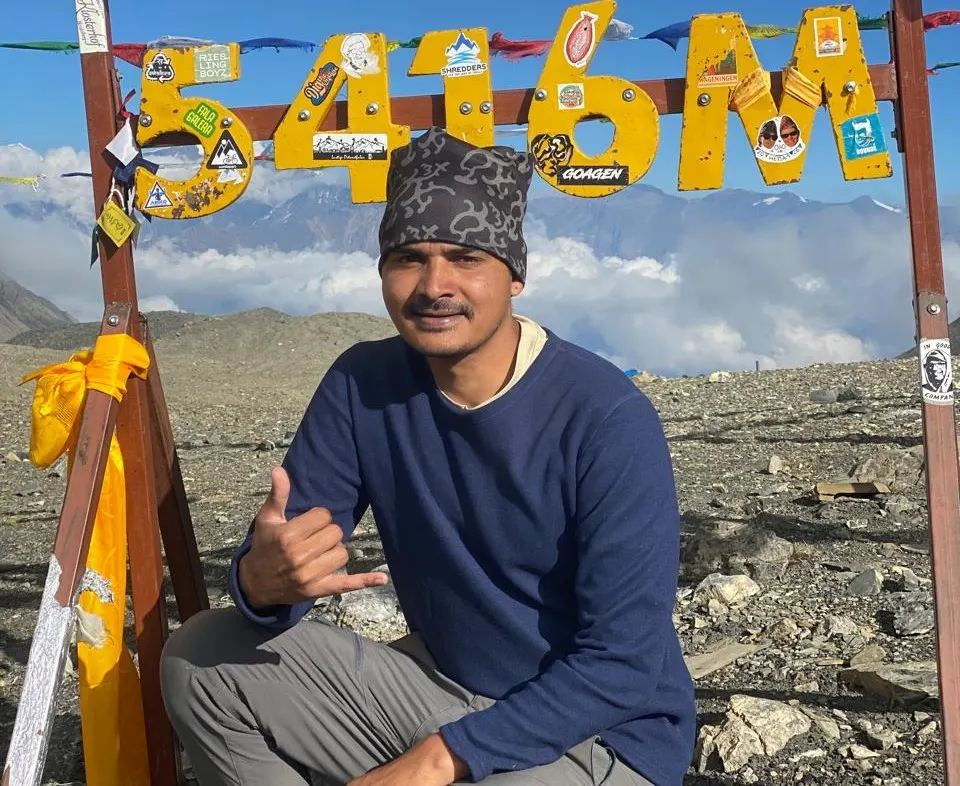
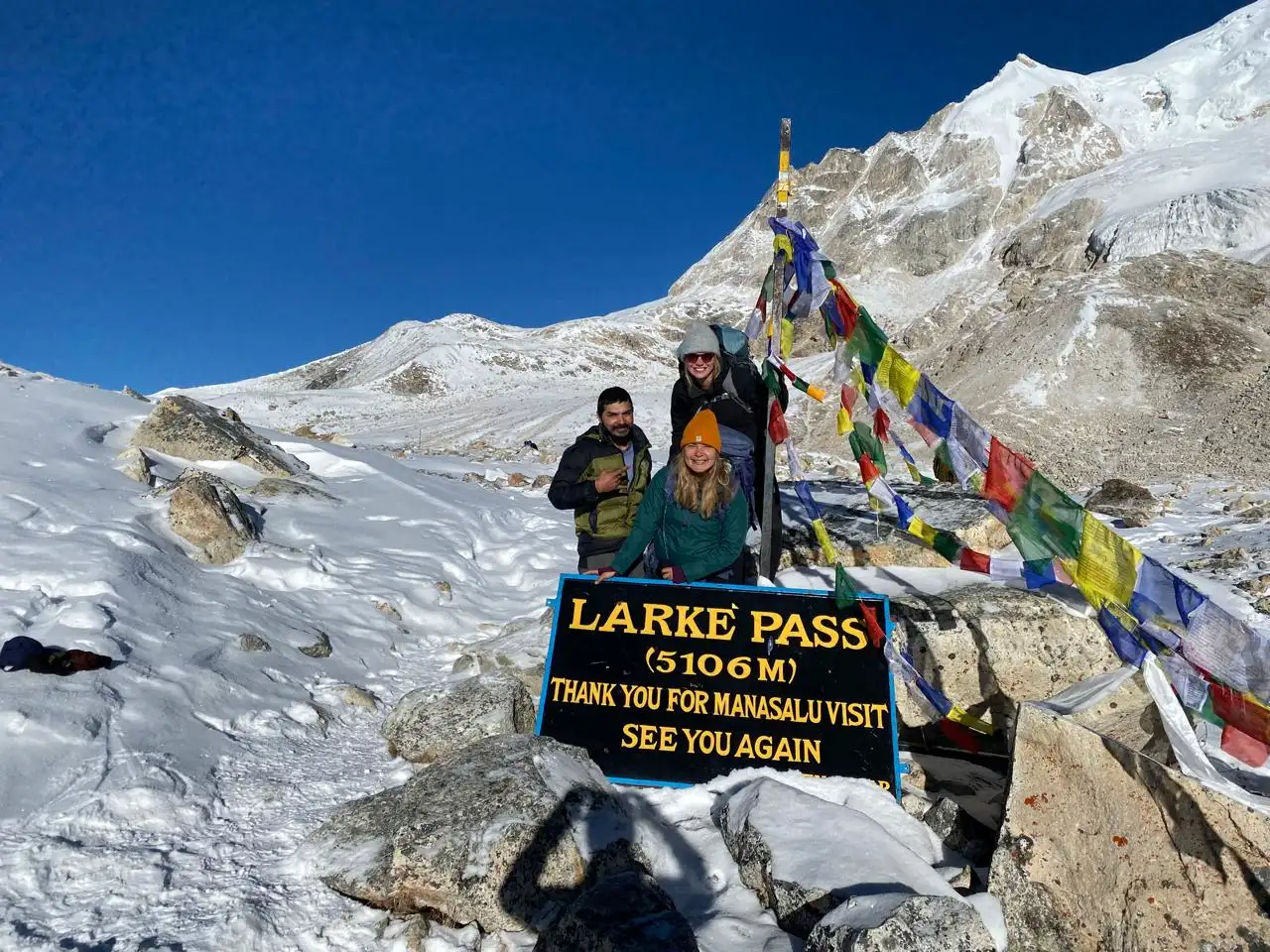
If you ask any guide who’s spent years walking the trail to Larkya La, they’ll tell you September is when the Manaslu region really comes alive. The monsoon clouds start pulling back, the trails firm up under your boots, and Mount Manaslu — all 8,163 meters of it — finally steps out from behind the haze. After guiding groups through this valley season after season, I can say September is the month we look forward to most.
Whether you’re planning the classic Manaslu Circuit Trek or heading into the quieter, more sacred Tsum Valley, this is the window where the region shows off everything it’s got: green hillsides just starting to turn gold, harvest activity buzzing in villages like Samagaun and Chumling, and some of the clearest mountain air you’ll find all year.
Why September Is the Sweet Spot for Manaslu Trekking
We get asked every year: “Is September too early? Should we wait for October?” Here’s why we tell trekkers not to wait.
The Skies Finally Clear Up
As the monsoon loses its grip, the haze lifts and the peaks come into full view — Manaslu, Himalchuli, Ganesh Himal, Shringi Himal, and Ngadi Chuli all standing sharp against the sky. Sunrise and sunset light hits differently this time of year; the air is washed clean, and the visibility is honestly some of the best we see all season.
Trails Are in Their Best Shape
By September, the worst of the monsoon mud is behind us. The paths have had time to dry out, the risk of landslides drops off significantly, and walking becomes far more comfortable. You’re not fighting slippery rock or waist-deep puddles, and you’re not yet dealing with the snow and ice that show up later in the year. It’s genuinely one of the easiest windows for solid footing on this route.
The Landscape Is at Its Most Photogenic
This is the transition month, and it shows. The hillsides are still lush from months of rain, but you’ll start catching those first streaks of autumn gold creeping in. Set against the white of the high peaks, it’s a contrast that photographers and casual trekkers alike find hard to stop shooting.
Comfortable Temperatures, Day and Night
Daytime hiking is warm enough to enjoy without being punishing, and the nights, while cool, stay well within manageable range for teahouse stays. No extreme heat, no bitter cold — just steady, pleasant trekking weather.
Front-Row Seats to Local Life
September is harvest season in the Manaslu villages, and that means real, lived-in cultural exposure — not a staged performance for tourists. Farmers are bringing in crops, communities are prepping for the festival season ahead, and depending on timing, you may catch local ceremonies or rituals along the trail. This is the kind of texture that turns a trek into a genuine cultural experience.
September Weather in the Manaslu Region: What to Actually Expect
September sits right at the hinge between monsoon and autumn. Expect the tail end of the rains — a shower here and there, mostly in the first couple of weeks — followed by a steady shift toward the drier, crisper conditions Manaslu is famous for in autumn. The moisture still lingering from monsoon keeps the lower valleys green, while clearer air up top means those big mountain views open up earlier in the trip than you might expect.
Manaslu Region Temperature Guide (September)
Daytime:
- Lower elevations (Machha Khola, Jagat): 18–26°C (64–79°F) — warm, a bit humid, easy walking weather
- Higher elevations (Samagaun, Larkya La Pass): 10–18°C (50–64°F) — cool, crisp, and dry underfoot
Nighttime:
- Lower elevations: 12–18°C (54–64°F) — comfortable, with a touch of lingering humidity
- Higher elevations: 3–10°C (37–50°F) — chilly, but nowhere near the deep-winter cold you’d face later in the season

Related Post: Manaslu Circuit Trek Weather in September and How to Pack Accordingly
What to Watch Out For: September Trekking Challenges
I won’t sugarcoat it — September gives you the best conditions of the year, but it’s not without its wrinkles. Here’s what we brief our trekkers on before they set off.
The monsoon doesn’t switch off overnight. In the first couple of weeks, you may still run into a stray downpour, and lower stretches of the trail can turn slick and muddy as a result. Pack for it, especially if you’re starting your trek early in the month.
Even once the rain lets up, the ground on some of the steeper, exposed sections is still recovering from months of monsoon saturation. Loose rock and washed-out patches are still possible, and our guides will occasionally reroute a section on the fly if conditions call for it.
Water levels are coming down from their monsoon peak, but they haven’t fully settled. Some crossings still run with a strong current, and bridges in these sections deserve a careful, unhurried approach.
Because September conditions are so favorable, it’s tempting to move faster than you should — and we see more trekkers push their pace this month than any other. That’s exactly how altitude sickness sneaks up on people. Stick to a sensible ascent rate no matter how good you’re feeling.
Places like Samagaun and Larkya La Pass are still shaking off winter’s leftovers in places — cold nights and the odd dusting of snow are still on the table, so your gear list needs to account for real temperature swings, not just the pleasant weather lower down.
Even with the season picking up, some of the less-trafficked stretches have limited teahouse capacity and thinner backup options if something goes wrong. A flexible itinerary and well-stocked supplies go a long way here.
Trail Conditions Along the Route, Section by Section
Conditions change a lot as you climb, so here’s how we’d describe the trail at each stage of the Manaslu Circuit and Tsum Valley in September.
Lower Manaslu (Below 2,000m): Arughat to Jagat
This lower stretch is where you’ll still feel the monsoon’s fading influence the most.
| Village | Altitude | What the Trail Feels Like | Watch Out For |
| Arughat | 600m | Dry paths, crisp mornings | Lingering humidity, light valley fog |
| Soti Khola | 730m | Forest trail, fresh air | A few muddy patches early in the month |
| Machha Khola | 890m | Dry with cool mornings | Occasional light showers as humidity eases |
| Jagat | 1,400m | Firm, dry, excellent walking | Morning mist can briefly cut visibility |
Mid-Manaslu (2,000m–3,500m): Deng to Tsum Valley
This is where the trail really starts to feel like autumn.
| Village | Altitude | What the Trail Feels Like | Watch Out For |
| Deng | 1,860m | Drying out, cool air | Some slippery patches from residual rain |
| Namrung | 2,660m | Autumn colors starting, crisp air | Layer up — temperatures swing through the day |
| Lho | 3,180m | Dry, wide-open views | Mornings turning noticeably chilly |
| Chumling (Tsum) | 2,386m | Green fading into gold | Humidity can still linger early in the month |
| Chhokang Paro | 3,031m | Dry, clear skies | Nights getting cold — pack accordingly |
| Nile (Tsum) | 3,361m | Cool, excellent trekking | Supplies tighter as foot traffic picks up |
Upper Manaslu (Above 3,500m): Samagaun to Larkya La Pass
Here’s where you need to take the mountain seriously, no matter how good the forecast looks.
| Village | Altitude | What the Trail Feels Like | Watch Out For |
| Samagaun | 3,530m | Dry, cool, increasingly clear | Windy afternoons — layer for warmth |
| Samdo | 3,875m | Stable, minimal rain | Cold nights call for a solid sleeping bag |
| Dharmashala | 4,480m | Crisp but exposed | Strong winds near the pass |
| Larkya La Pass | 5,106m | Clear skies, light leftover snow patches | Cold winds and thin air — acclimatize properly |
| Mu Gompa (Tsum) | 3,700m | Remote but accessible | Cooler temps — bring insulated layers |
Related Post: Complete Manaslu Circuit Trek Guide: Best Season, Challenging, Guide, Solo, Equipment, Permits, Accommodation, Route, & Tips
Life in the Villages: What Culture Looks Like Here in September
This is honestly my favorite part of guiding treks this time of year. September lands right in the middle of harvest season, so the villages aren’t performing for trekkers — they’re just living their lives, and you get to walk right through it. You’ll see farmers out in the barley and buckwheat fields, and yak herders bringing their animals down from the high pastures as the season turns.
The monasteries in Samagaun and Namrung stay active year-round, and September is no exception — you’ll often catch monks in prayer or meditation, a quiet window into the spiritual side of these mountain communities. Teahouses and local markets are opening back up after the quieter monsoon months, so there’s a real sense of the villages waking up for the season.
The big festivals — Dashain and Tihar — don’t land until later in autumn, but don’t be surprised if you stumble into a smaller local ceremony along the way: offerings, chanting, a gathering outside a monastery. These unplanned moments are often what trekkers remember most. Between the harvest energy and the mountain scenery, September gives you a version of Manaslu that feels lived-in and real, not staged for visitors.
The Bottom Line
If you want clear mountain views, dry trails, comfortable temperatures, and a front-row seat to village life during harvest season, September is hard to beat for the Manaslu Circuit and Tsum Valley treks. It’s the month where the region stops hiding behind clouds and starts showing you exactly why trekkers keep coming back.
Best Treks in Manaslu
| Manaslu Tsum Valley Trek – 13 Days | 13 Days | Contact Us |
| Manaslu Circuit Trek – 12 Days | 12 Days | Contact Us |
| Tsum Valley with Manaslu Trek | 20 Days | Contact Us |
Speak to an expert